AI Appraisal Estimate

AI-generated estimates · not official valuations

From the user

What was submitted

Photo and notes provided by the user — not generated by AI

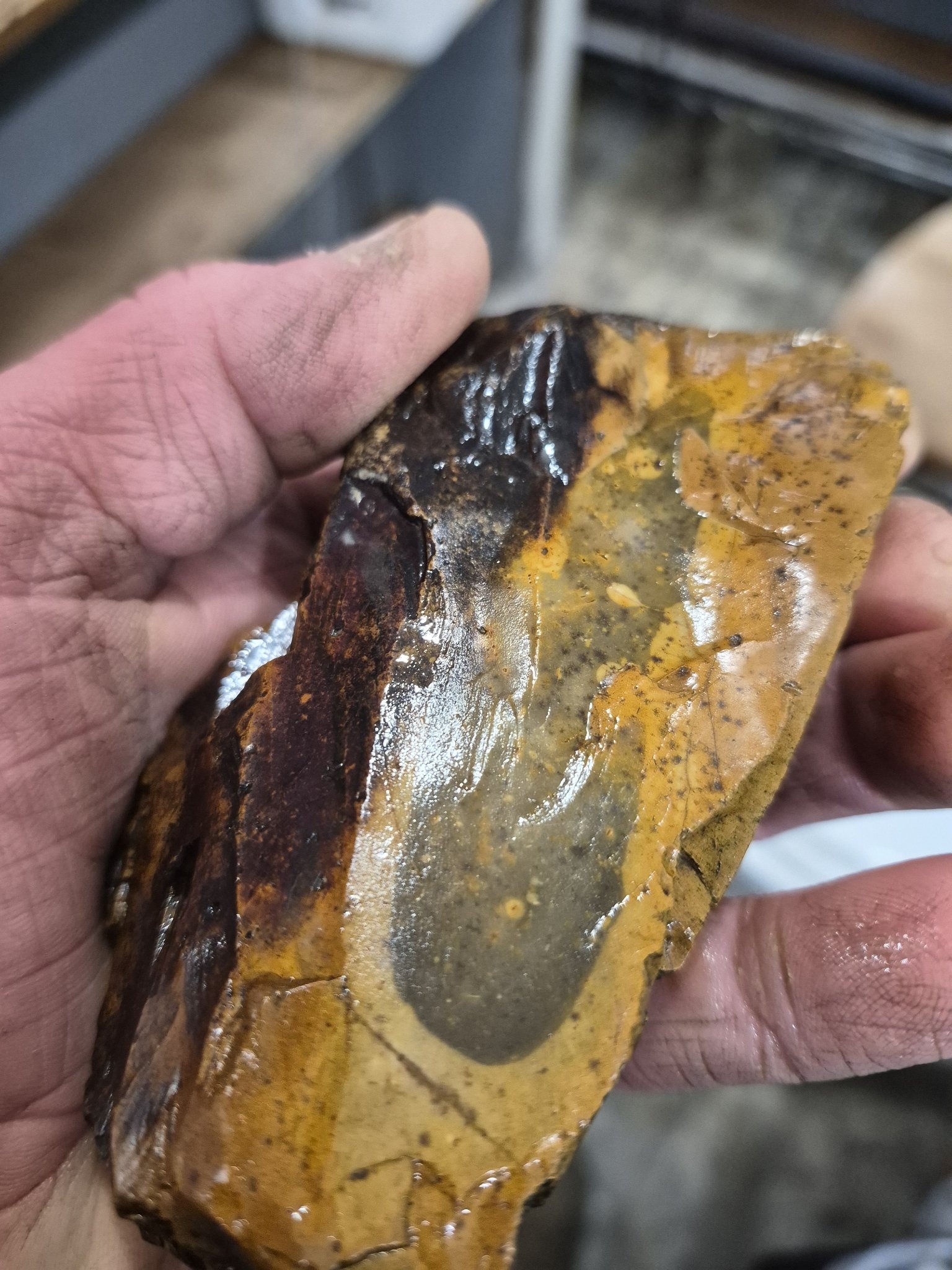
Submitted item photo
Submitted photo · June 30, 2026

User's notes

No additional notes provided.

AI analysis below

AI appraisal

AI analysis & estimate

AI-Generated · Verify before acting

Everything below is generated by AI for informational purposes only. AI can make mistakes — the AI may misidentify items or misattribute them (artist, maker, brand, designer, origin, era). This is not an official valuation and should not be used for insurance, sale, tax, estate, legal, or lending purposes — or any decision requiring a certified appraisal. It is not an authoritative claim about any person, brand, or rights holder — do not share or rely on it as a factual statement about a third party. Always consult qualified professionals before making financial decisions.

Read the full disclaimer

AI Identification

·Not independently authenticated·Verify before acting

Polished Jasper Specimen

Minerals and Lapidary Specimens

AI Estimated Value

·Not an official valuation·Verify before acting

$45.00 - $65.00

As of June 30, 2026

AI Item Analysis

·AI can make mistakes·Verify before acting
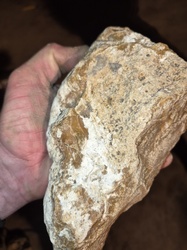
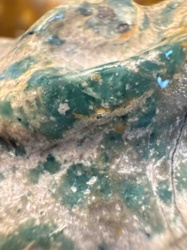
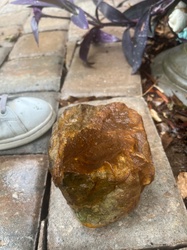
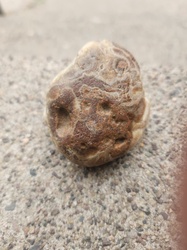
This specimen is a large, hand-sized piece of Jasper, likely a variety such as Polychrome or Desert Jasper, exhibiting a rich and earthy color palette. The physical characteristics are defined by a complex interplay of mustard yellow, deep chocolate brown, and an olive-to-slate grey core. The stone appears to have been partially polished or is naturally wet, which accentuates its waxy to vitreous luster and reveals the intricate internal banding and moss-like inclusions typical of microcrystalline quartz. The piece measures roughly 4 to 5 inches in length and shows a rugged, irregular shape with sharp, fractured edges indicative of its natural formation and harvest. Notable features include the orbicular and flowing color patterns that create a central 'target' or eye-like shape in the grey-green zone. The condition of the specimen is raw and unrefined, with visible pits, natural fractures, and surface irregularities that are characteristic of lapidary rough or a field-collected mineral specimen. There are no maker's marks or signatures, as this is a natural geological object. The craftsmanship resides in the quality of the stone's preservation and the clarity of its color transitions. This piece likely dates back millions of years in geological time and serves as a high-quality example of decorative silica-based minerals used in both lapidary arts and mineral collecting.
AI Appraisal Report

·AI can make mistakes·Verify before acting
I have virtually examined this large specimen of Polychrome Jasper, also known as Desert Jasper, typically sourced from Madagascar. The piece displays the characteristic earthy transitions of ochre, chocolate brown, and slate grey that define high-quality microcrystalline quartz. The 'eye' or 'target' pattern in the central grey-green zone is a desirable feature that adds aesthetic value for mineral collectors. The specimen appears to be authentic based on the natural fracture patterns, waxy luster, and specific color zoning which are consistent with known deposits. The condition is average for lapidary rough; while the color clarity is excellent, the presence of significant surface pitting and natural fractures limits its value compared to a fully polished decorative orb or flame sculpture. Market demand for Jasper remains steady, driven by both the metaphysical community and lapidary artists. Comparable pieces of this size (4-5 inches) typically retail in the mid-range of boutique mineral shops. While visual characteristics strongly suggest authenticity, this appraisal is limited by the lack of physical inspection. A definitive valuation would require measuring specific gravity to confirm it is not a synthetic composite and examining the surface under 10x magnification to rule out artificial color enhancements or resin fillers used to mask fractures. Provenance regarding the specific mining locality would also refine the market category. Without a physical scratch test to confirm Mohs hardness, this remains a preliminary assessment based on visual indicators.

Get your items appraised

Instant estimates of your treasures with AI-powered appraisals

Browse More Appraisals