AI identification & appraisal estimate

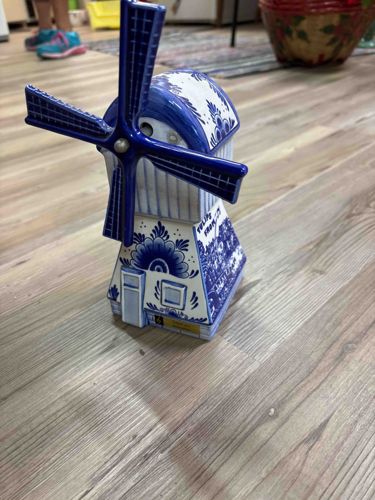
Delft Blue Style Windmill Miniature

Submitted photo of Delft Blue Style Windmill Miniature
Photo submitted by the user — not generated by AI

AI Estimated Value

Not an official valuation

$25 - $45

AI estimate as of October 2, 2025 · verify with a professional before acting

AI-Generated · Verify before acting

Everything on this page is generated by AI for informational purposes only. AI can make mistakes — the AI may misidentify items or misattribute them (artist, maker, brand, designer, origin, era). This is not an official valuation and should not be used for insurance, sale, tax, estate, legal, or lending purposes — or any decision requiring a certified appraisal. It is not an authoritative claim about any person, brand, or rights holder — do not share or rely on it as a factual statement about a third party. Always consult qualified professionals before making financial decisions.

Read the full disclaimer

AI Item Analysis

This item is a decorative miniature windmill, executed in a style reminiscent of Delft Blue pottery. The primary colors are white, serving as the base, and a rich cobalt blue used for the intricate hand-painted designs. The windmill features a traditional conical roof, painted with swirling floral and leaf motifs characteristic of Delftware. The body of the windmill is square-shaped at the base, tapering slightly upwards, and adorned with multiple stylized floral patterns, including prominent large stylized flowers and foliage. It also depicts architectural elements like windows and doors outlined in blue. The construction appears to be ceramic or pottery, likely glazed for durability and a glossy finish. The windmill is equipped with four distinct windmill blades, also painted in the same dark blue. These blades are attached to the front of the windmill by a central metallic pivot, suggesting they might be rotatable, although this is not explicitly confirmed. The blades themselves show a cross-hatch or latticework pattern in blue. Visible condition issues are minimal; the item appears to be in good condition with no obvious chips, cracks, or significant wear. The paintwork seems largely intact with good saturation. The craftsmanship indicates a decorative piece, possibly mass-produced but with hand-finished details due to the variations in the painted patterns. There is a small label or marking visible near the base, which is yellow and blue, but its text is illegible from the image. This piece likely dates from the late 20th century to the present, given its stylistic consistency with contemporary Delft-style ceramics. It captures the iconic imagery of the Netherlands in a collectible or souvenir form.

AI Appraisal Report

Upon visual inspection of the provided image, I assess this Delft Blue Style Windmill Miniature to be in very good condition. There are no apparent chips, cracks, or significant wear visible, and the hand-painted cobalt blue designs appear well-preserved with good color saturation. The item exhibits typical characteristics of decorative Delft-style ceramics, featuring intricate floral and leaf motifs against a white background, suggesting it's either ceramic or pottery with a glossy glaze. The construction and aesthetic align with late 20th to early 21st-century souvenir or collectible pieces. Authenticity verification is limited by image-only examination; I cannot definitively confirm its origin as true Delftware from Delft, Netherlands, or if it is a 'Delft-style' item produced elsewhere. Without a physical inspection, I cannot assess the quality of the ceramic body, the exact nature of the glaze, or details of the metallic pivot for the blades. The illegible yellow and blue label near the base could provide crucial information regarding manufacturer or origin, but its text is unreadable from the photo. Comparing this item to similar decorative ceramic windmills sold online and in souvenir markets, market conditions indicate a modest value. These pieces are generally mass-produced, limiting rarity, and while popular as souvenirs, demand for individual common examples is not particularly high in the secondary market. Factors impacting value are primarily its decorative appeal, condition, and potential (though unconfirmed) connection to a reputable ceramic producer. A definitive authentication would require in-person examination to inspect manufacturer marks, assess craftsmanship quality, and potentially conduct scientific tests on the ceramic and glazes to confirm origin and age.

Keep exploring

More decorative ceramic figurine appraisals

Get your items appraised

Instant AI-powered appraisal estimates from a photo

Browse More Appraisals