AI Appraisal Estimate

AI-generated estimates · not official valuations

From the user

What was submitted

Photo and notes provided by the user — not generated by AI

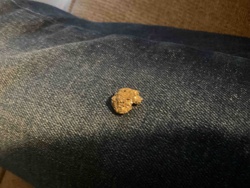
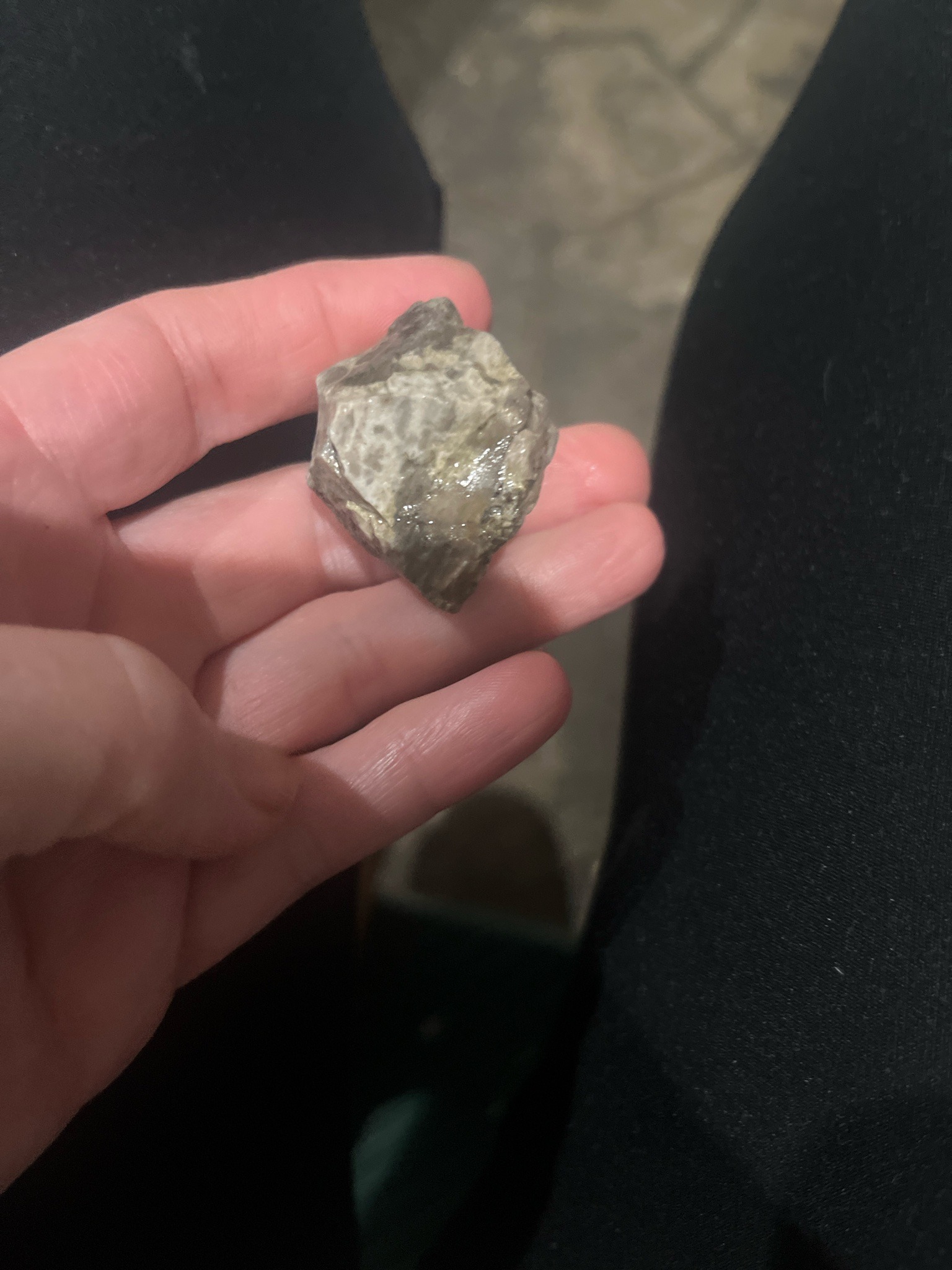
Submitted item photo
Submitted photo · June 17, 2026

User's notes

No additional notes provided.

AI analysis below

AI appraisal

AI analysis & estimate

AI-Generated · Verify before acting

Everything below is generated by AI for informational purposes only. AI can make mistakes — the AI may misidentify items or misattribute them (artist, maker, brand, designer, origin, era). This is not an official valuation and should not be used for insurance, sale, tax, estate, legal, or lending purposes — or any decision requiring a certified appraisal. It is not an authoritative claim about any person, brand, or rights holder — do not share or rely on it as a factual statement about a third party. Always consult qualified professionals before making financial decisions.

Read the full disclaimer

AI Identification

·Not independently authenticated·Verify before acting

Raw mineral specimen appearing to be natural quartz or chalcedony

Minerals and Geological Specimens

AI Estimated Value

·Not an official valuation·Verify before acting

$5 - $15 USD

As of June 17, 2026

AI Item Analysis

·AI can make mistakes·Verify before acting
This item is a small, unpolished mineral specimen, approximately 2 to 3 centimeters in diameter, currently held by a human hand for scale. It exhibits a rugged, irregular geometry with multiple facets that appear to have been created through natural fracturing rather than intentional cutting. The color palette is a muted mix of translucent grays, off-whites, and brownish-tan inclusions, which is stylistically consistent with common silicate minerals such as quartz, chert, or chalcedony. The surface has a waxy to vitreous luster, appearing slightly moist or oily in this lighting, which may suggest either a natural surface sheen or the recent application of water. There are no visible maker's marks, engravings, or labels, which is typical for raw geological samples. Its condition is characterized by sharp, jagged edges and a non-uniform texture, showing no signs of human-tooled refinement or polishing. Because there are no diagnostic crystalline structures or professional mineralogical test results available from this single photograph, the identification remains a hypothesis based on visual surface characteristics alone. Professional testing for hardness, specific gravity, and streak would be necessary to distinguish between similar minerals like calcite, fluorite, or silica-based stones.
AI Appraisal Report

·AI can make mistakes·Verify before acting
Based on what I can see in the provided image, I have examined a small mineral specimen that appears hypothesized to be a common silicate such as quartz, chert, or chalcedony. My assessment is based on the waxy to vitreous luster and the irregular, fractured geometry typical of raw geological samples. I cannot verify from a photo the specific mineral species, as diagnostic tests for hardness, specific gravity, and streak would be needed for a hypothesis to become an identification. The specimen is presented in its raw, unpolished state, and I see no evidence of human-tooled refinement. From my observations, the value estimate is based on the assumption that this is a common, non-gem-grade mineral specimen of modest size. In the current market, raw samples of quartz or chalcedony of this size and quality are widely available and typically sell in the $5 to $15 range at retail mineral shows or gift shops. Factors that could influence this value include the presence of rare inclusions or crystalline structures not visible here. To provide a more accurate valuation, a physical inspection by a mineralogist would be necessary to confirm the exact mineral type and rule out less common materials like calcite or fluorite. If this item were determined to be an even more common aggregate or a fragment of construction-grade stone, the value would decrease to a negligible or nominal amount. Conversely, if professional testing revealed it to be a more sought-after mineral variety, the value might shift toward the higher end of the provided range. Overall, demand for small, unworked mineral fragments remains steady among casual collectors and educators, though they do not typically command high prices without specific provenance or rare geological features.

Get your items appraised

Instant estimates of your treasures with AI-powered appraisals

Browse More Appraisals