AI Appraisal Estimate

AI-generated estimates · not official valuations

From the user

What was submitted

Photo and notes provided by the user — not generated by AI

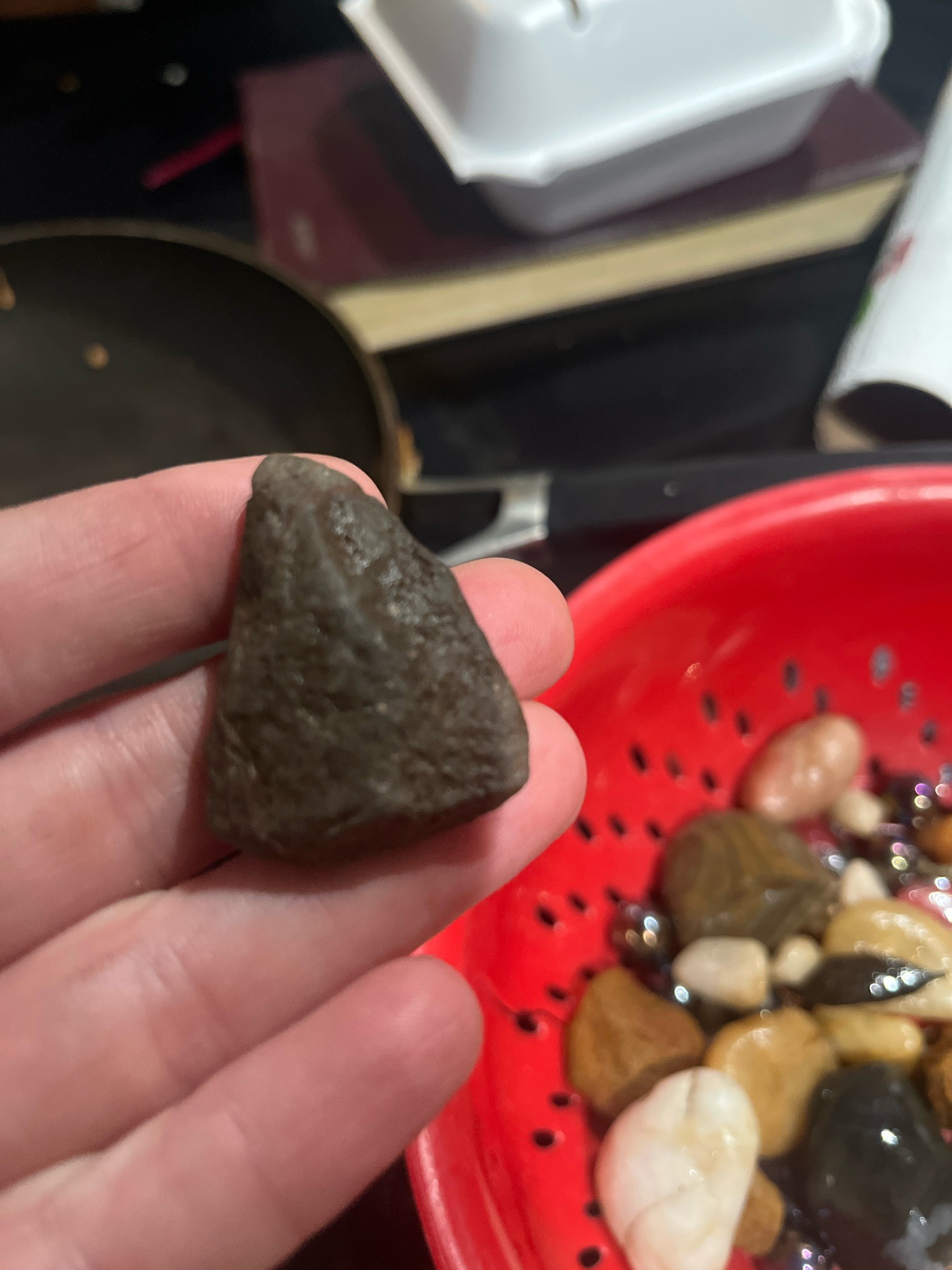
Submitted item photo
Submitted photo · June 18, 2026

User's notes

No additional notes provided.

AI analysis below

AI appraisal

AI analysis & estimate

AI-Generated · Verify before acting

Everything below is generated by AI for informational purposes only. AI can make mistakes — the AI may misidentify items or misattribute them (artist, maker, brand, designer, origin, era). This is not an official valuation and should not be used for insurance, sale, tax, estate, legal, or lending purposes — or any decision requiring a certified appraisal. It is not an authoritative claim about any person, brand, or rights holder — do not share or rely on it as a factual statement about a third party. Always consult qualified professionals before making financial decisions.

Read the full disclaimer

AI Identification

·Not independently authenticated·Verify before acting

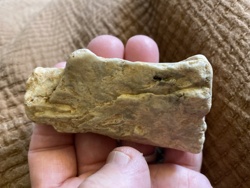
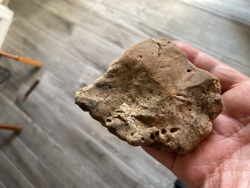
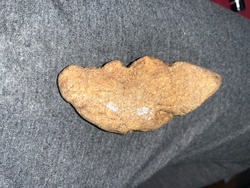
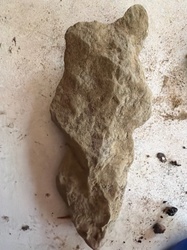
Triangular-shaped lithic specimen with possible worked features

Natural Specimens and Possible Lithic Artifacts

AI Estimated Value

·Not an official valuation·Verify before acting

$10.00–$75.00

As of June 18, 2026

AI Item Analysis

·AI can make mistakes·Verify before acting
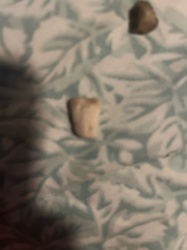
This object is a small, dark-colored stone specimen, roughly triangular or pyramidal in shape, held between the fingers for scale. The material appears to be a dense, fine-grained rock, possibly basalt or a similar dark igneous or sedimentary stone, exhibiting a matte, earthy texture and a brownish-grey to dark grey color palette. It features relatively flat faces that converge toward a rounded apex, with a broader, somewhat straighter base. The surface displays some light pitting and irregularities that appear consistent with natural weathering or water-tumbled erosion, though the overall geometric form may be of interest to those studying lithic artifacts. There are no visible maker's marks, signatures, or inscriptions. The edges appear somewhat softened rather than sharply flaked, which could suggest significant age and environmental wear if it were an anthropogenically modified tool, or it may simply be a natural geofact. Without physical inspection to examine micro-wear patterns or flaking scars under magnification, the distinction between a natural stone and a primitive lithic tool remains unverified. Condition visually appears stable with no evidence of recent fracturing or repair.
AI Appraisal Report

·AI can make mistakes·Verify before acting
Based on my examination of the provided image, I have evaluated this triangular lithic specimen. The object displays a geometric form that bears a resemblance to primitive scrapers or small hand-tools; however, the softened edges and surface pitting appear consistent with natural fluvial erosion or weathering. I cannot determine from a photo whether the shape is the result of anthropogenic modification or if it is a 'geofact'—a natural stone that purely by chance resembles a tool. The material appears to be a dense, fine-grained igneous rock, but I would need a physical inspection to check for micro-wear patterns, bulbs of percussion, or intentional flaking scars that would support a hypothesis of human manufacture. The estimate of $10.00–$75.00 is based on the market for unprovenanced lithic specimens and curiosities. If this item were to be evaluated in person by a lithic specialist and found to have features consistent with a recognized prehistoric tool tradition, the value could potentially increase, though value for such items is heavily dependent on documented provenance and find-site data, which are absent here. Conversely, if it is determined to be a naturally occurring river stone with no archaeological significance, the value would be negligible, likely at the lower end of the range as a decorative natural specimen. Market demand for unattributed and unauthenticated lithic finds is generally low to moderate, often limited to educational sets or amateur collectors. Scientific testing or an in-person examination by an archaeologist would be required to further investigate its origins beyond this visual hypothesis. The value assumes the item's current stable condition with no modern fractures.

Get your items appraised

Instant estimates of your treasures with AI-powered appraisals

Browse More Appraisals