AI identification & appraisal estimate

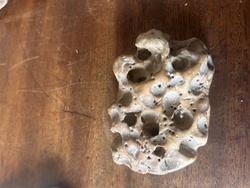
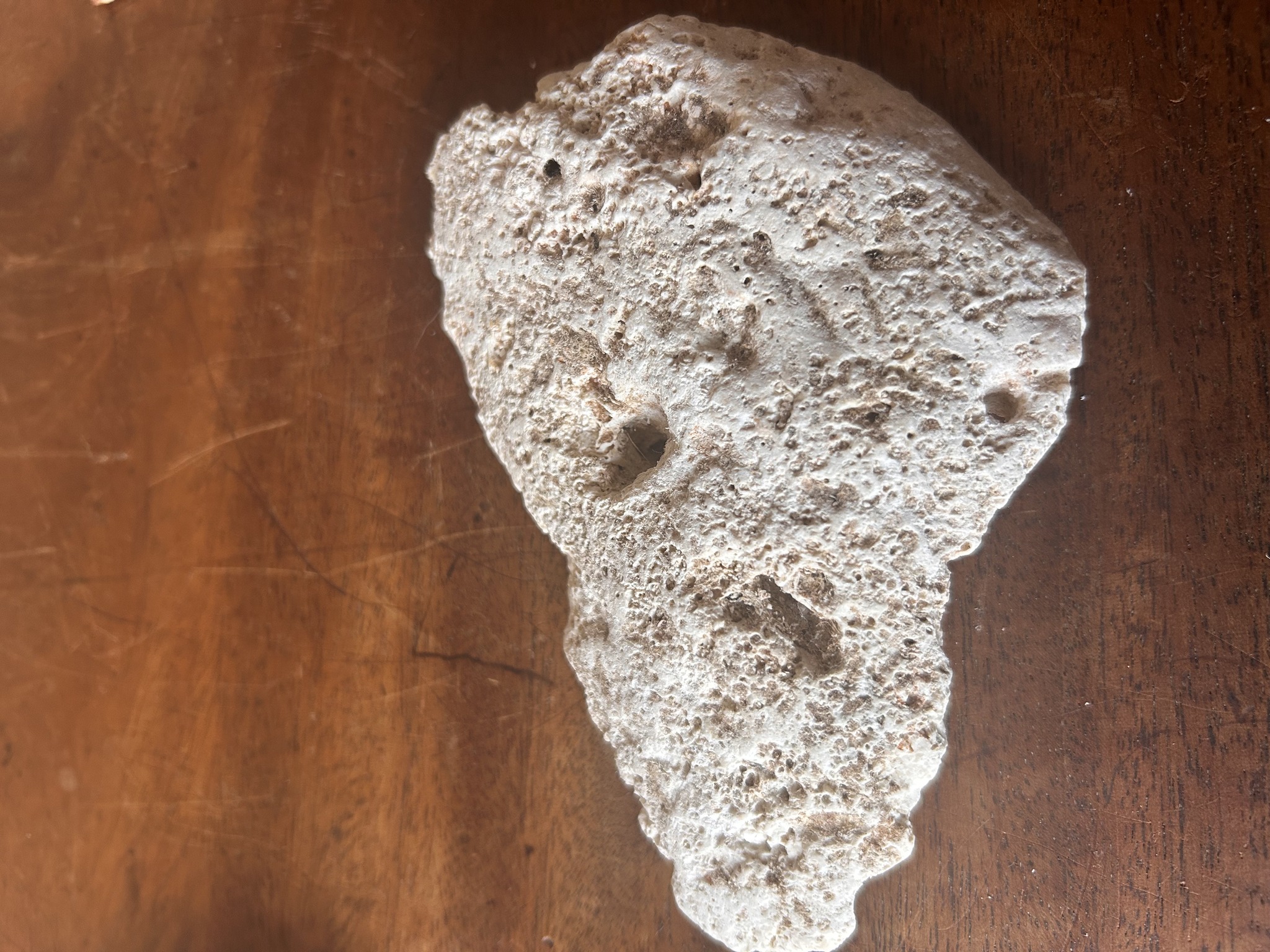
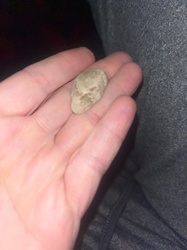
Coarse lithic specimen resembling a triangular tool

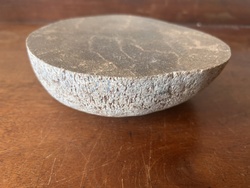
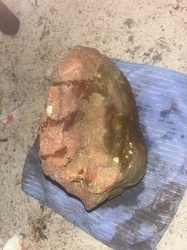
Submitted photo of Coarse lithic specimen resembling a triangular tool
Photo submitted by the user — not generated by AI

User's notes

found

These notes were written by the person who submitted this item. Appraiser.AI has not verified them, and the AI's identification and estimate may rely on them.

AI Estimated Value

Not an official valuation

$5 - $25

AI estimate as of July 17, 2026 · verify with a professional before acting

AI-Generated · Verify before acting

Everything on this page is generated by AI for informational purposes only. AI can make mistakes — the AI may misidentify items or misattribute them (artist, maker, brand, designer, origin, era). This is not an official valuation and should not be used for insurance, sale, tax, estate, legal, or lending purposes — or any decision requiring a certified appraisal. It is not an authoritative claim about any person, brand, or rights holder — do not share or rely on it as a factual statement about a third party. Always consult qualified professionals before making financial decisions.

This analysis also relies on unverified notes provided by the user, which may be incomplete or inaccurate and could affect the result.

Read the full disclaimer

AI Item Analysis

This object is a light-colored, triangular rock or lithic specimen with a highly porous and irregular surface texture, stylistically consistent with weathered limestone, calcified coral, or tufa. It features a broad, rounded upper portion tapering to a narrower point, which superficially resembles the form of a crude biface or worked stone tool. The surface is characterized by numerous small pits, larger indentations, and what appear to be natural inclusions or weathered-out cavities. Several prominent holes are visible, likely the result of natural erosive processes or biological activity rather than intentional drilling. The coloration ranges from off-white to a dusty beige, with some darker sediment or mineral staining visible in the recesses. There are no maker's marks, signatures, or inscriptions visible. Despite the user's note that it was 'found,' it is unclear if this is a geofact—a rock naturally weathered into a suggestive shape—or an artifact; the lack of clear flaking scars or percussion bulbs makes a natural origin highly plausible. Without physical inspection by a geologist or archaeologist to determine mineral composition and signs of intentional knapping, the identification of this item as a man-made tool remains a hypothesis only. The edges appear eroded and lack the sharp definition typically associated with deliberate secondary retouch.
AI Appraisal Report

Based on my visual analysis of the provided image, this lithic specimen presents as a possible geofact—a stone naturally weathered into a form that superficially resembles a triangular biface tool. I cannot determine from a photograph whether the edges were intentionally knapped or if the surface pits resulted from natural erosion of porous material like limestone or tufa; a physical inspection by a lithic specialist would be required to identify percussion bulbs or secondary retouch. Per the user's report, the item was 'found,' which suggests it lacks documented provenance or archaeological context. If this were a scientifically significant prehistoric artifact with clear cultural affiliation, it would hold higher educational value; however, based on what I can see, it appears to be a natural geological curiosity. The market for unauthenticated, found stones of suggestive shapes is minimal, typically confined to the 'natural history' or 'souvenir' category. The current estimate reflects the value of a geological specimen of this type. Should the item be identified as a genuine prehistoric tool through professional taphonomic analysis and mineral testing, the value could increase slightly for the collector market, though most such items without provenance remain in the low double digits. Conversely, if it is confirmed to be a common weathered rock, it holds primarily personal or decorative value.

Keep exploring

More natural history and geological specimens appraisals

Get your items appraised

Instant AI-powered appraisal estimates from a photo

Browse More Appraisals