AI Appraisal Estimate

AI-generated estimates · not official valuations

From the user

What was submitted

Photo and notes provided by the user — not generated by AI

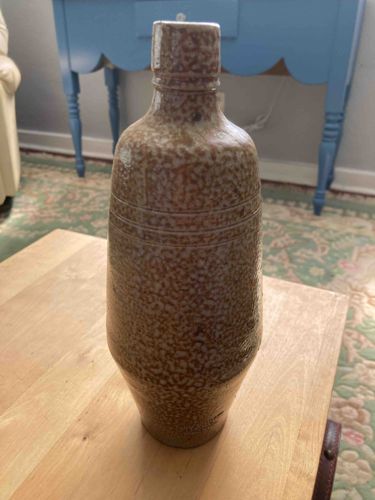
Submitted item photo
Submitted photo · June 25, 2026

User's notes

Campos, Filmos Aveiro Portugal embedded

AI analysis below

AI appraisal

AI analysis & estimate

AI-Generated · Verify before acting

Everything below is generated by AI for informational purposes only. AI can make mistakes — the AI may misidentify items or misattribute them (artist, maker, brand, designer, origin, era). This is not an official valuation and should not be used for insurance, sale, tax, estate, legal, or lending purposes — or any decision requiring a certified appraisal. It is not an authoritative claim about any person, brand, or rights holder — do not share or rely on it as a factual statement about a third party. Always consult qualified professionals before making financial decisions.

Note

This analysis also relies on unverified notes provided by the user, which may be incomplete or inaccurate and could affect the result.

Read the full disclaimer

AI Identification

·Not independently authenticated·Verify before acting

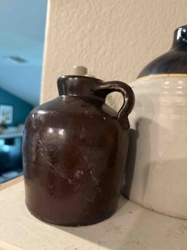
Campos Filhos Aveiro Portuguese Salt-Glazed Stoneware Bottle

Antique Ceramics and Stoneware

AI Estimated Value

·Not an official valuation·Verify before acting

$45-75

As of June 25, 2026

AI Item Analysis

·AI can make mistakes·Verify before acting
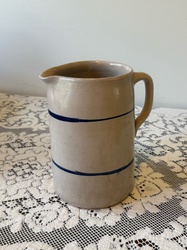
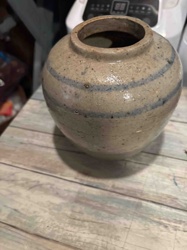
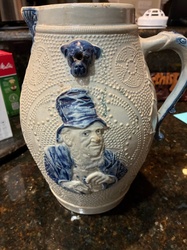
This is a tall, cylindrical stoneware bottle featuring a tapered base and a narrow neck, finished with a classic salt-glaze that creates a distinctive 'orange peel' texture and a mottled brown and tan coloration. Based on the provided context, the vessel is marked 'Campos, Filhos Aveiro Portugal,' identifying it as a product of the renowned Campos Filhos factory in Aveiro, which was a significant center for ceramic production from the late 19th through the mid-20th century. The bottle exhibits horizontal incised lines around the shoulder, providing a subtle decorative element. The construction is robust, indicative of industrial or utilitarian stoneware designed for durability. The glaze is unevenly distributed, which is a hallmark of the salt-firing process, resulting in a rich, earthy patina. The condition appears to be excellent with no visible cracks or major chips, though typical minor firing imperfections and surface wear consistent with age are present. This piece reflects the traditional Portuguese craftsmanship of the industrial era, likely dating from the early-to-mid 20th century. Such bottles were often used for spirits, oils, or chemical storage, showcasing a blend of functional design and artistic texture.
AI Appraisal Report

·AI can make mistakes·Verify before acting
I have examined the digital representations of the salt-glazed stoneware bottle marked 'Campos, Filhos Aveiro Portugal.' The vessel exhibits the characteristic cylindrical form and 'orange peel' texture synonymous with early-to-mid 20th-century Portuguese industrial ceramics. The impressed mark is consistent with the known output of the Campos Filhos factory in Aveiro, which played a pivotal role in Portugal's ceramic heritage. The condition appears to be excellent, with the salt-glaze showing a desirable mottled patina and no structural deficiencies visible in the provided views. The market for Portuguese stoneware remains niche but steady. While these bottles were mass-produced for utilitarian purposes—likely for spirits or oil—their appeal today lies in their artisanal texture and historical branding. Comparables for similar European salt-glazed stoneware range from $30 to $100 depending on size and clarity of the maker's mark. The specificity of the Aveiro mark adds a slight premium for collectors of regional European pottery. Factors affecting value include the clarity of the stamp and the integrity of the glaze. It is important to note that this appraisal is based on photographic evidence. A formal physical inspection would be required to verify the absence of hairline cracks or professional restorations hidden within the glaze. Furthermore, definitive authentication would require checking for tactile consistency in the stoneware's weight and density. While the visual indicators align with authentic period production, provenance documentation or a purchase history would further solidify the valuation. Without an in-person examination, this assessment should be treated as a professional estimate for insurance or decorative purposes.

Get your items appraised

Instant estimates of your treasures with AI-powered appraisals

Browse More Appraisals