AI identification & appraisal estimate

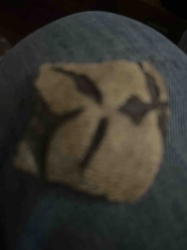
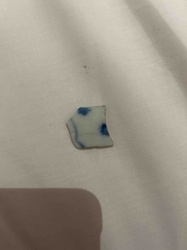
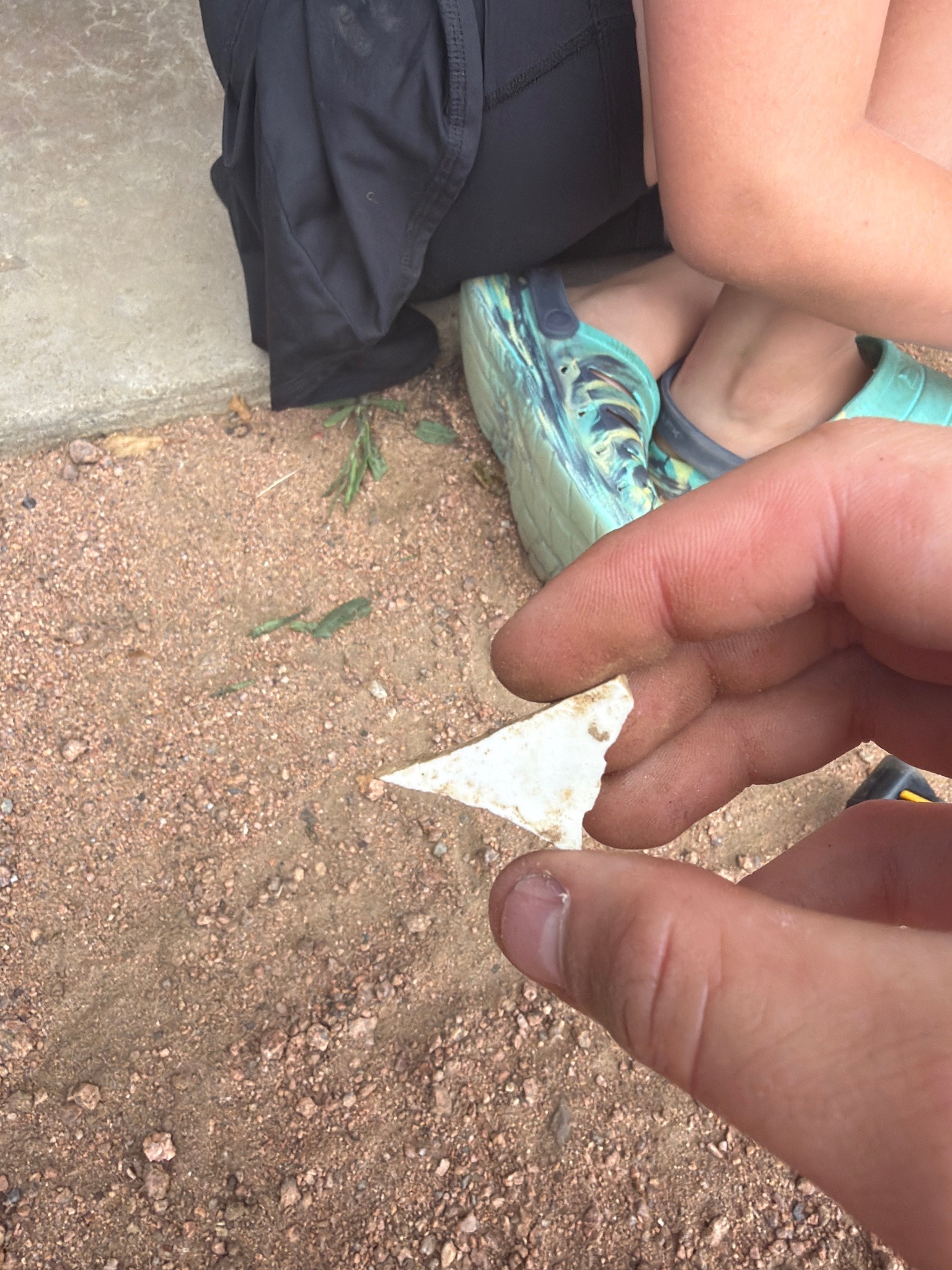
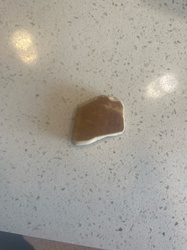
Triangular ceramic fragment consistent with glazed earthenware

Submitted photo of Triangular ceramic fragment consistent with glazed earthenware
Photo submitted by the user — not generated by AI

AI Estimated Value

Not an official valuation

$1 - $5

AI estimate as of June 19, 2026 · verify with a professional before acting

AI-Generated · Verify before acting

Everything on this page is generated by AI for informational purposes only. AI can make mistakes — the AI may misidentify items or misattribute them (artist, maker, brand, designer, origin, era). This is not an official valuation and should not be used for insurance, sale, tax, estate, legal, or lending purposes — or any decision requiring a certified appraisal. It is not an authoritative claim about any person, brand, or rights holder — do not share or rely on it as a factual statement about a third party. Always consult qualified professionals before making financial decisions.

Read the full disclaimer

AI Item Analysis

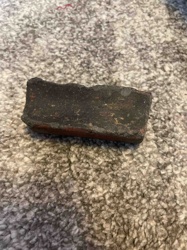
This item is a small, roughly triangular-shaped fragment of a ceramic material, consistent with glazed earthenware or a heavy ceramic shard. It appears light cream or off-white in color, with a smooth, possibly glazed surface visible on the top face. The piece is relatively small, fitting easily between a person's thumb and forefinger, suggesting a length of approximately one to two inches. There is visible dirt and reddish-brown staining on the surface, which is likely residue from the surrounding soil. The edges are irregular and sharp, indicating it is likely a broken shard from a larger vessel or object rather than a finished tool. No decorative patterns, signatures, or maker's marks are visible in the image. From a stylistic perspective, such fragments can range from modern debris to older historical items, but without archaeological context or diagnostic markings, the age cannot be established beyond a stylistic appearance of utilitarian ceramic. The object lacks intentional retouching typically seen in lithic tools, such as arrowheads, making its identification as a random ceramic fragment highly probable.
AI Appraisal Report

Based on the photograph provided, I have examined this triangular ceramic fragment, which appears to be a small shard of glazed earthenware. Based on what I can see, the piece lacks diagnostic markings, signatures, or decorative patterns that would suggest a specific manufacturer or historical period. I cannot verify the exact chemical composition or age from a photo; therefore, I am treating the identification as a hypothesis of utilitarian ceramic debris. The value of $1 to $5 is based on the item being viewed as a decorative or archaeological curiosity of negligible commercial merit. Because the edges are irregular and the piece shows no signs of intentional retouching or formal craftsmanship, it is likely a random fragment of a larger vessel. In the general market for such items, there is virtually no demand for single, unattributed ceramic shards lacking provenance. If this item were later hypothesized to be part of a significant historical site through scientific testing or archeological context, its value could rise slightly as a teaching tool, but it would remain a low-value object due to its fragmentary nature. To confirm any potential historical significance, an in-person examination by a historical archaeologist and provenance documentation regarding its find-site would be required. Without such identification, the piece remains a 'surface find' of minimal value.

Keep exploring

More ceramic fragments appraisals

Get your items appraised

Instant AI-powered appraisal estimates from a photo

Browse More Appraisals