AI estimate as of August 26, 2025 · verify with a professional before acting
AI-Generated · Verify before acting
Everything on this page is generated by AI for informational purposes only. AI can make mistakes — the AI may misidentify items or misattribute them (artist, maker, brand, designer, origin, era). This is not an official valuation and should not be used for insurance, sale, tax, estate, legal, or lending purposes — or any decision requiring a certified appraisal. It is not an authoritative claim about any person, brand, or rights holder — do not share or rely on it as a factual statement about a third party. Always consult qualified professionals before making financial decisions.
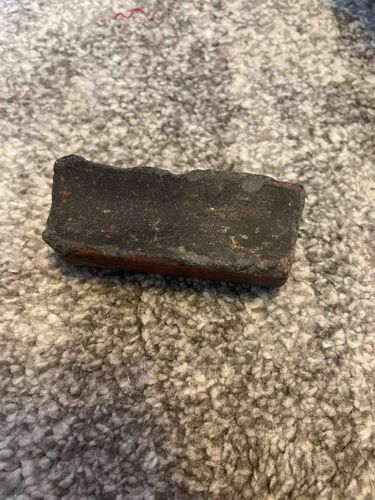
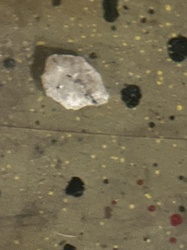
The item appears to be a fragment of a brick or similar ceramic building material, characterized by its dark, almost black, exterior surface and a contrasting reddish-brown interior visible on one of the broken edges. It has an irregular, roughly rectangular or block-like shape, suggesting it is a piece broken off a larger object. The top surface exhibits a slightly concave or trough-like depression, which could be natural wear, part of its original design, or a result of how it fractured. The dimensions are not provided, but based on the image, it seems relatively small, possibly fitting in the palm of a hand. The visible surfaces are coarse and unrefined, consistent with a utilitarian object rather than a decorative one. The dark coloration suggests exposure to heat or fire, possibly indicating it was part of a kiln, hearth lining, or suffered a fire event. There are no discernible markings, stamps, or specific maker's marks visible. The edges are rough and jagged from breakage, and there's a general appearance of age and outdoor exposure, evidenced by some surface erosion and dirt. Its condition suggests significant wear from use or environmental factors. Given its appearance, it likely dates from a period when such materials were commonly produced for construction, potentially from the 19th or early 20th century, though dating is difficult without further context or analysis.
AI Appraisal Report
I have examined the provided image of what appears to be a fragment of a dark brick or ceramic block. Based on this visual assessment, the item exhibits characteristics consistent with aged utilitarian building material. The dark exterior and reddish-brown interior suggest exposure to high heat, possibly from a kiln, hearth, or a fire event. Its rough, unrefined surfaces and broken edges indicate a fragment rather than a complete, intended object. The condition is poor, reflecting significant wear, breakage, and environmental exposure. Authenticity as a genuine artifact of its described nature seems highly plausible based on visual cues; it does not present any features that contradict its apparent age or purpose. However, it is crucial to state that full authenticity verification is severely limited by image-only examination. In-person inspection would allow for tactile assessment, precise measurement, and closer scrutiny of surface texture and composition. Provenance documentation would be essential to confirm its historical context, origin, and specific use. Scientific testing, such as material analysis (e.g., XRF for elemental composition) or thermoluminescence dating, would be required for definitive dating and to confirm its ceramic properties and firing history.
Market conditions for such fragmentary building materials are extremely low. There is virtually no collector demand for common brick fragments, even if historically significant, unless they are part of a larger, identifiable structure, or possess unique markings or features (e.g., rare brick stamps, specific architectural significance, or direct association with a famous event/person). Comparables would include other generic fragments of fired clay, which typically hold negligible monetary value. Rarity is not a factor here; such fragments are common once dismantled. The lack of identifying marks, aesthetic appeal, or specific historical importance severely limits its marketability and value. The only potential value might be to a very niche historical restoration project requiring specific period material, which is highly unlikely for a unidentifiable fragment of this nature.