AI identification & appraisal estimate

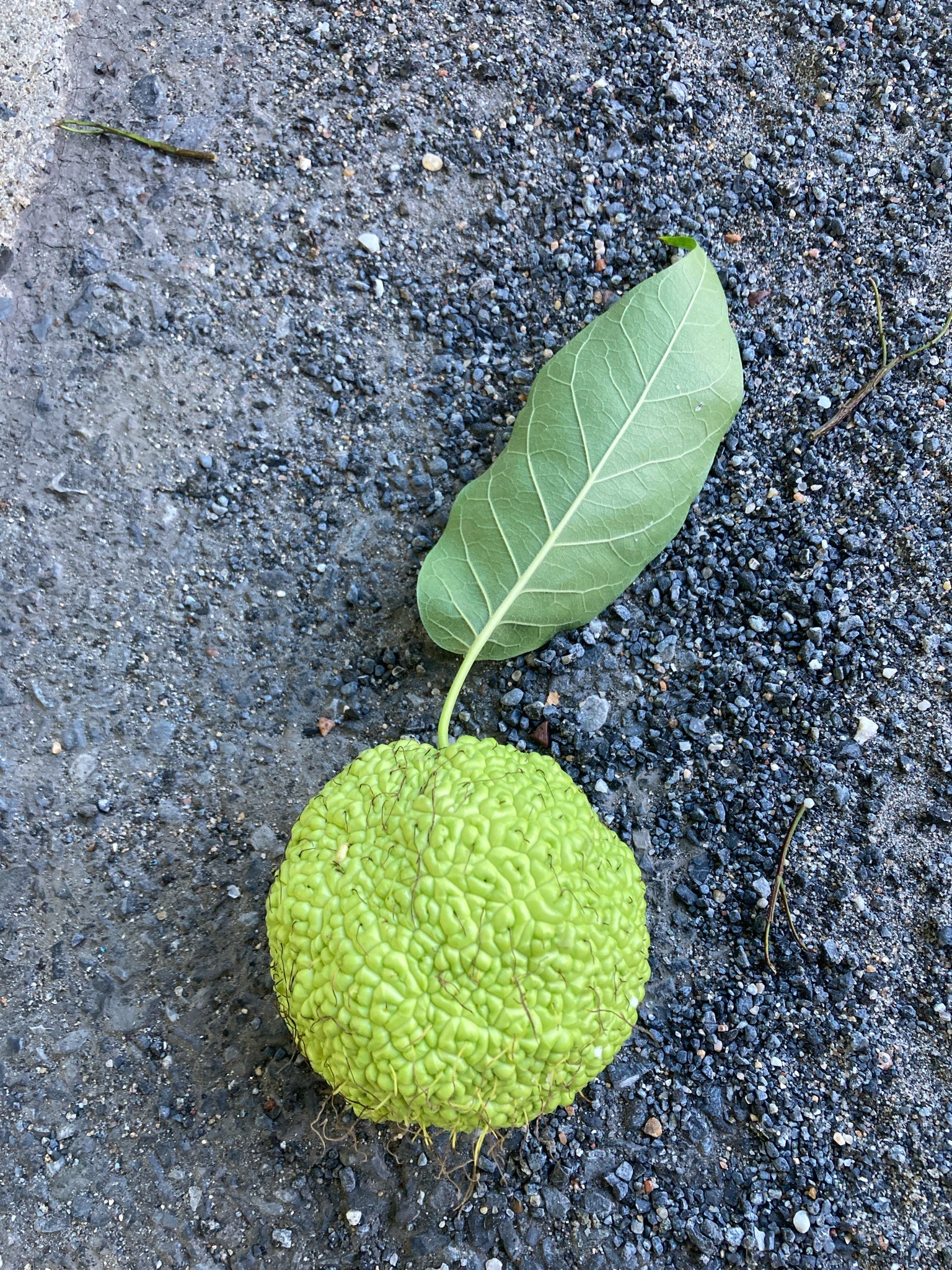
Fruit consistent with Osage Orange (Maclura pomifera)

This name is the AI's identification of the item — it may be incorrect.

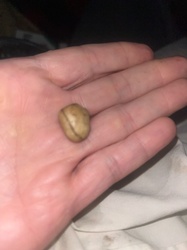
Submitted photo of Fruit consistent with Osage Orange (Maclura pomifera)
Photo submitted by the user — not generated by AI

AI Estimated Value

Not an official valuation

$1-5

AI estimate as of July 23, 2026 · verify with a professional before acting

AI-Generated · Verify before acting

Everything on this page is generated by AI for informational purposes only. AI can make mistakes — the AI may misidentify items or misattribute them (artist, maker, brand, designer, origin, era). This is not an official valuation and should not be used for insurance, sale, tax, estate, legal, or lending purposes — or any decision requiring a certified appraisal. It is not an authoritative claim about any person, brand, or rights holder — do not share or rely on it as a factual statement about a third party. Always consult qualified professionals before making financial decisions.

Read the full disclaimer

AI Item Analysis

AI can make mistakes
This photo shows a spherical, yellowish-green syncarp fruit resting on a fine gravel or coarse sand ground surface. The fruit features a distinctive bumpy, brain-like, or heavily wrinkled surface texture interwoven with fine, hair-like brownish fibers or dried filaments protruding from between the segments. Attached via a thin green stem is a single, broad, light-green leaf showing prominent pale leaf veins on its underside. These botanical features are highly consistent with the syncarp fruit of the Osage orange tree (Maclura pomifera), commonly referred to as a hedge apple, monkey ball, or brain fruit. No visible markings or artificial labels are present on the specimen, so identification is based entirely on visual botanical characteristics. The specimen appears fresh with vibrant green coloration, minimal visible browning or decay, and intact structural form, though slight dirt residue is visible near the base where it touches the ground.
AI Appraisal Report

AI can make mistakes
Based on what I can see in the provided image, the specimen exhibits physical features consistent with the syncarp fruit of an Osage orange (Maclura pomifera), commonly known as a hedge apple or monkey ball. The specimen appears fresh, featuring a vibrant yellowish-green hue, characteristic brain-like surface texture, and an attached leaf with visible venation. However, I cannot verify from a photo alone the internal structural integrity, exact moisture content, or specific botanical origin; a physical inspection would be required to evaluate these factors fully. From a valuation perspective, individual Osage orange fruits are non-timber forest products with negligible commercial monetary value. They are abundant in the wild across North America during autumn and are occasionally gathered for decorative use or traditional pest-repellent applications. In general market conditions, small lots or individual fresh specimens of this type typically sell for $1 to $5 each at local farmers' markets or through niche online novelty listings, largely to cover gathering and shipping efforts rather than inherent rarity. Because this is an unworked, natural botanical specimen rather than a crafted or preserved collectible, formal authentication or provenance documentation is not applicable. Value is entirely dependent on fresh condition and immediate visual appeal. Should the item dry out, decay, or prove to be an artificial synthetic replica (such as a plastic decorative prop), its market utility and corresponding nominal value would shift based purely on its utility as a re-usable decorative item.

Keep exploring

More botanical specimens appraisals

Get your items appraised

Instant AI-powered appraisal estimates — a starting point, not an official valuation

Browse More Appraisals