AI identification & appraisal estimate

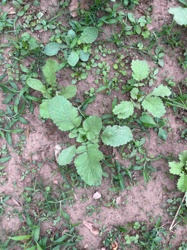
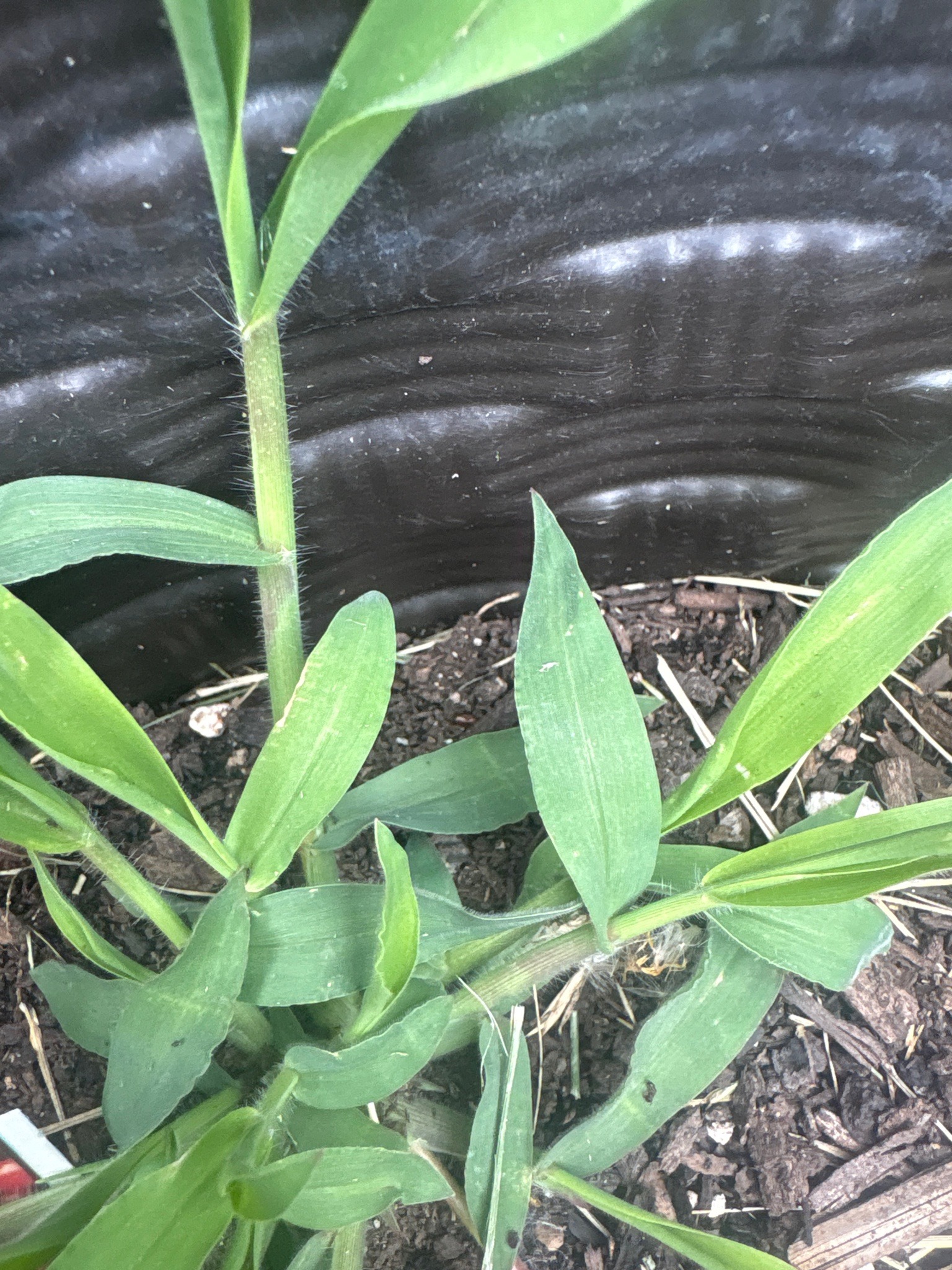
Grassy herbaceous plant consistent with Digitaria species

Submitted photo of Grassy herbaceous plant consistent with Digitaria species
Photo submitted by the user — not generated by AI

AI Estimated Value

Not an official valuation

$0.00 - $5.00

AI estimate as of May 21, 2026 · verify with a professional before acting

AI-Generated · Verify before acting

Everything on this page is generated by AI for informational purposes only. AI can make mistakes — the AI may misidentify items or misattribute them (artist, maker, brand, designer, origin, era). This is not an official valuation and should not be used for insurance, sale, tax, estate, legal, or lending purposes — or any decision requiring a certified appraisal. It is not an authoritative claim about any person, brand, or rights holder — do not share or rely on it as a factual statement about a third party. Always consult qualified professionals before making financial decisions.

Read the full disclaimer

AI Item Analysis

This image features a vibrant green, herbaceous plant growing within a dark, textured container or planter. The specimen is stylistically and physically consistent with common grass-like weeds, specifically exhibiting characteristics typical of the Digitaria genus, commonly referred to as crabgrass. The plant features lime-green to medium-green, elongated lanceolate leaves that are arranged alternately along the stems. A prominent distinguishing feature is the presence of fine, white, hair-like trichomes visible along the main stems and near the leaf sheaths, which is particularly characteristic of species such as Digitaria sanguinalis (Large Crabgrass). The stems appear slightly succulent and segmented. The plant is situated in dark, organic soil mixed with small bits of mulch and light-colored perlite or gravel. Some leaves show minor environmental wear, such as slight browning or small holes, which is typical for outdoor growth. No flowers or seed heads are visible in this view, making a specific species identification a hypothesis rather than an absolute fact. The overall growth habit appears low and spreading, consistent with early-to-mid-stage development. This identification serves as an appraisal based on visual morphology and remains subject to in-person botanical verification.

AI Appraisal Report

Based on the provided image, I have examined a specimen that is morphologically consistent with a grassy herbaceous plant from the Digitaria genus, commonly referred to as crabgrass. I cannot verify the specific species from a photograph alone, as botanical classification requires microscopic analysis of the ligule and seed heads, which are not visible here. The specimen is noted for its lanceolate leaves and white trichomes, characteristics that support a hypothesis of Digitaria sanguinalis. From what I can see, the plant is growing in a standard plastic container with common potting soil. In the current market for botanical specimens, this item is generally classified as a common opportunistic weed rather than an ornamental or rare cultivar. The value for a single unestablished specimen of this type is negligible, often considered a byproduct of garden maintenance rather than a commodity. If this were a specialized horticultural cultivar or part of a documented scientific collection, the value might increase slightly to cover the cost of the pot and labor, but as a wild-growth hypothesis, it carries no significant commercial demand. To confirm the identity and any potential unique value, an in-person examination by a botanist or a genetic test would be required. If this plant were found to be an invasive species in certain jurisdictions, its value could effectively be negative due to disposal requirements. Therefore, the estimate reflects the nominal utility of the container and soil rather than the plant itself.

Keep exploring

More plants and botanical specimens appraisals

Get your items appraised

Instant AI-powered appraisal estimates from a photo

Browse More Appraisals