AI Appraisal Estimate

AI-generated estimates · not official valuations

From the user

What was submitted

Photo and notes provided by the user — not generated by AI

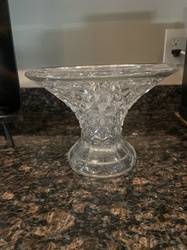
Submitted item photo
Submitted photo · June 10, 2026

User's notes

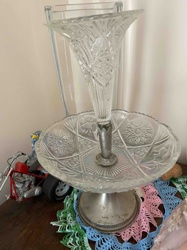
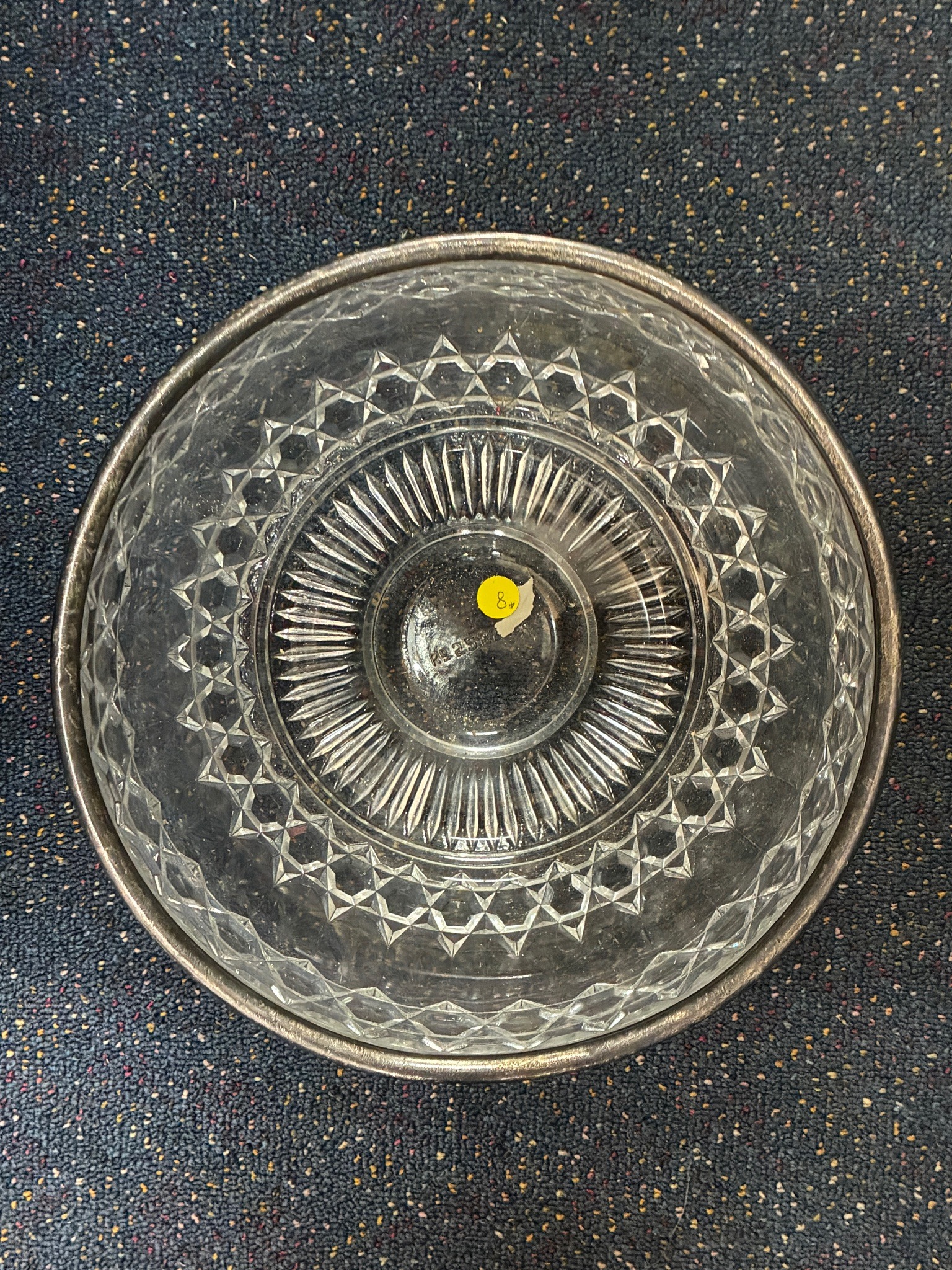
Cut Glass bowl with attached metal rim. Stamped on inside middle base ‘Rd 252274’

AI analysis below

AI appraisal

AI analysis & estimate

AI-Generated · Verify before acting

Everything below is generated by AI for informational purposes only. AI can make mistakes — the AI may misidentify items or misattribute them (artist, maker, brand, designer, origin, era). This is not an official valuation and should not be used for insurance, sale, tax, estate, legal, or lending purposes — or any decision requiring a certified appraisal. It is not an authoritative claim about any person, brand, or rights holder — do not share or rely on it as a factual statement about a third party. Always consult qualified professionals before making financial decisions.

Note

This analysis also relies on unverified notes provided by the user, which may be incomplete or inaccurate and could affect the result.

Read the full disclaimer

AI Identification

·Not independently authenticated·Verify before acting

Victorian Registered Cut Glass Serving Bowl with Silver-Plated Rim

Antique Glassware / Victorian Tableware

AI Estimated Value

·Not an official valuation·Verify before acting

$45.00 - $75.00

As of June 10, 2026

AI Item Analysis

·AI can make mistakes·Verify before acting
This is a circular serving bowl featuring a combination of cut and pressed lead glass elements, accented by a mounting silver-plated or nickel-silver rim. The internal design is characterized by a central starburst or sunburst radial pattern, which is encircled by a triple band of geometric hobnail or diamond-cut prismatic motifs that create significant light refraction. The glass is clear with a substantial thickness, suggesting high durability. A key distinguishing feature is the stamped British registration number 'Rd 252274' located in the center base, which dates the design registration to approximately 1895, placing it firmly in the late Victorian era. The metal rim shows a significant aged patina with darkening and tarnish consistent with silver oxidation; there are visible surface scratches and minor abrasions throughout the metal surface. The glass itself appears to be in fair to good condition, although some minor flea bites or surface scratches may be present consistent with age and domestic use. A modern yellow circular price or identification sticker is currently affixed near the center. The craftsmanship represents late 19th-century industrial artistry, blending mass-production glass techniques with traditional metal accents for the middle-class market.
AI Appraisal Report

·AI can make mistakes·Verify before acting
Based on my examination, this is a late Victorian serving bowl featuring a transfer of a registered design (Rd 252274) dating to approximately 1895. The combination of the press-molded lead glass, featuring hobnail and starburst patterns, and the silver-plated rim is characteristic of household tableware produced for the burgeoning middle class of the late 19th century. The condition appears fair to good; however, the metal rim shows significant oxidation and loss of plating, and the presence of 'flea bites' on the glass facets is common for utilitarian pieces of this age. Markets for Victorian-era pressed and cut glass have remained relatively soft over the last decade due to a shift in interior design preferences and an oversaturation of late-industrial production pieces. While the registration mark adds a level of historical provenance, it indicates a mass-produced design rather than a bespoke commission. Comparables found in secondary markets and estate auctions typically hammers within the $40-$80 range. Please note that while the registration mark is a strong indicator of authenticity, a physical inspection is required to confirm the glass's lead content via UV light and to assess the rim for 'EPNS' or maker's marks that would define the base metal. I cannot definitively rule out later reproductions without testing the weight and resonance of the glass. A full valuation would require verifying that the rim has not been resoldered and that the central scratches are not deep fractures that compromise structural integrity.

Get your items appraised

Instant estimates of your treasures with AI-powered appraisals

Browse More Appraisals