AI Appraisal Estimate

AI-generated estimates · not official valuations

From the user

What was submitted

Photo and notes provided by the user — not generated by AI

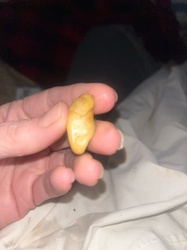
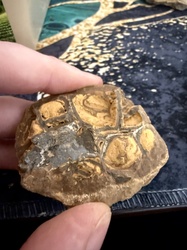
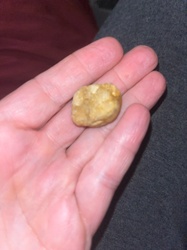
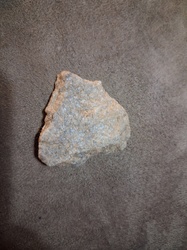
Submitted item photo
Submitted photo · May 28, 2026

User's notes

No additional notes provided.

AI analysis below

AI appraisal

AI analysis & estimate

AI-Generated · Verify before acting

Everything below is generated by AI for informational purposes only. AI can make mistakes — the AI may misidentify items or misattribute them (artist, maker, brand, designer, origin, era). This is not an official valuation and should not be used for insurance, sale, tax, estate, legal, or lending purposes — or any decision requiring a certified appraisal. It is not an authoritative claim about any person, brand, or rights holder — do not share or rely on it as a factual statement about a third party. Always consult qualified professionals before making financial decisions.

Read the full disclaimer

AI Identification

·Not independently authenticated·Verify before acting

Chert or flint nodule specimen

Rocks and Minerals

AI Estimated Value

·Not an official valuation·Verify before acting

$15 - $40

As of May 28, 2026

AI Item Analysis

·AI can make mistakes·Verify before acting
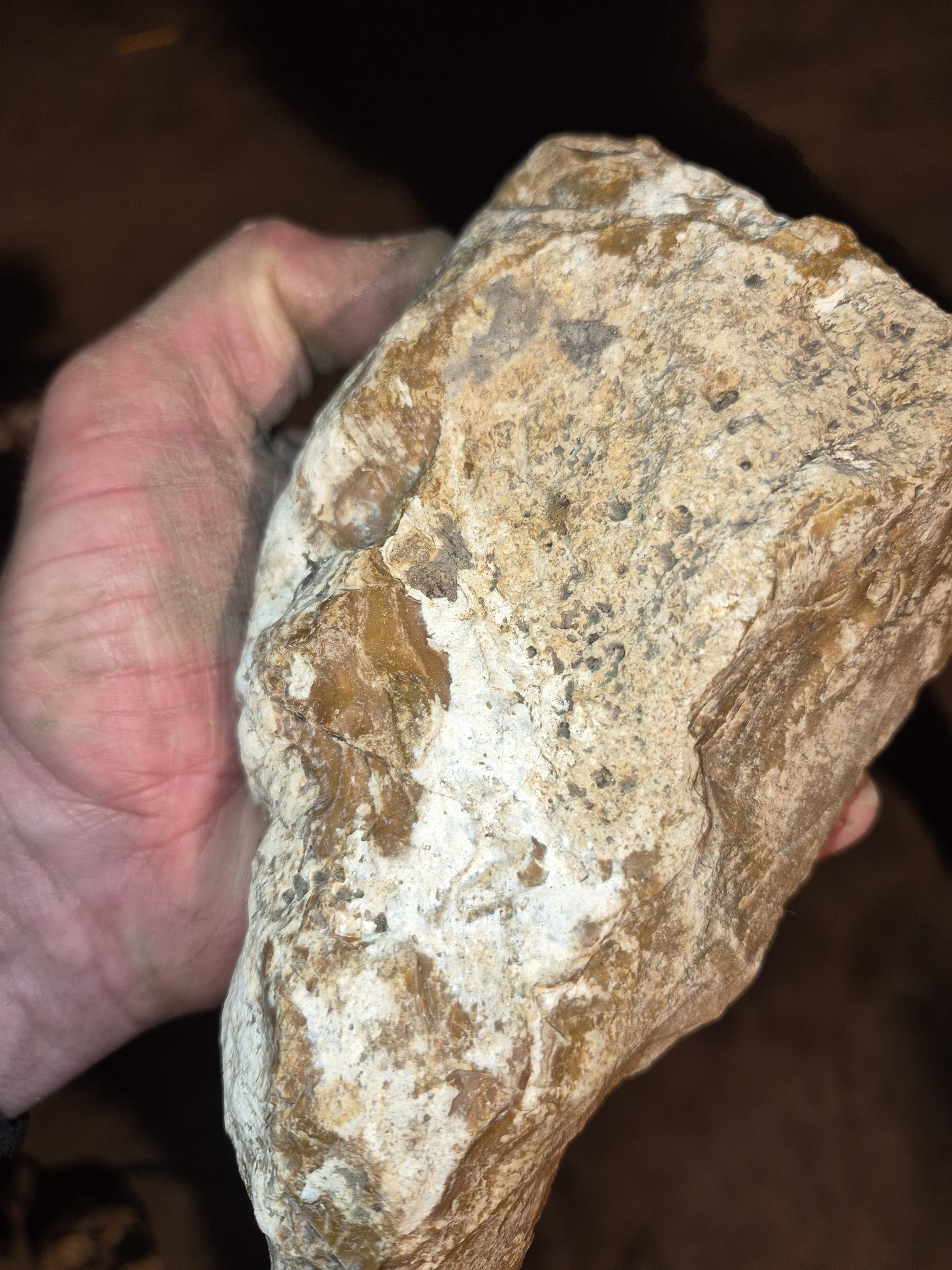
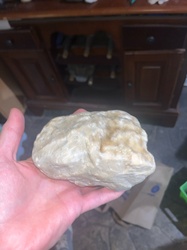
This object appears to be a geological specimen, specifically a large nodule consistent with cryptocrystalline quartz such as chert or flint. The item is handheld, suggesting it is roughly 15 to 20 centimeters in length. Its surface displays a waxy, microcrystalline texture in shades of ochre and caramel brown, partially encased in a white, chalky outer layer known as a cortex. The specimen exhibits conchoidal fracturing patterns typical of silicate rocks, with sharp edges visible where the internal stone is exposed. Some areas show a pitted or weathered surface with dark mineral inclusions or spotting. There are no man-made markings, signatures, or inscriptions visible on the specimen. The item is held by a hand with visible soil or dark particulate matter, suggesting the specimen may have been recently excavated or recovered from a natural outdoor environment. While the shape is irregular, it lacks clear signs of intentional knapping or anthropic shaping that would definitively characterize it as a prehistoric tool, though it is stylistically consistent with raw materials used for such purposes. Without physical testing or professional geological analysis, this is identified as a natural mineral specimen.
AI Appraisal Report

·AI can make mistakes·Verify before acting
I have examined the submitted image of the geological specimen, which appears to be a large nodule of chert or flint featuring a characteristic white cortex and ochre-toned silicate interior. Based on what I can see, the item displays natural conchoidal fracturing and an irregular shape consistent with raw lithic materials. I cannot determine from a photo alone if the specimen has undergone subtle prehistoric modification or if its sharp edges are the result of natural environmental stressors. Without a physical inspection and possible microscopic analysis for 'use-wear' or specific knapping patterns, I must treat this as a natural mineral specimen rather than an artifact. The value estimate is based on the item as a decorative or educational geological sample; market demand for such unworked raw nodules is generally modest, typically appealing to amateur geologists or flint-knappers. If the piece were to be professionally evaluated and attributed as a prehistoric tool by an lithic expert with documented provenance, its market interest and value could increase significantly. Conversely, if it is identified simply as common landscape stone, the value remains at the lower end of the spectrum. To further clarify the nature of this object, I would recommend an in-person examination by a geologist or archaeologist to look for diagnostic traces of human manufacture that are not visible in the provided photograph.

Get your items appraised

Instant estimates of your treasures with AI-powered appraisals

Browse More Appraisals