AI Appraisal Estimate

AI-generated estimates · not official valuations

From the user

What was submitted

Photo and notes provided by the user — not generated by AI

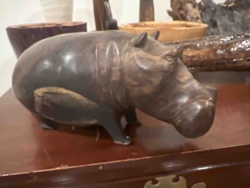
Submitted item photo
Submitted photo · June 28, 2026

User's notes

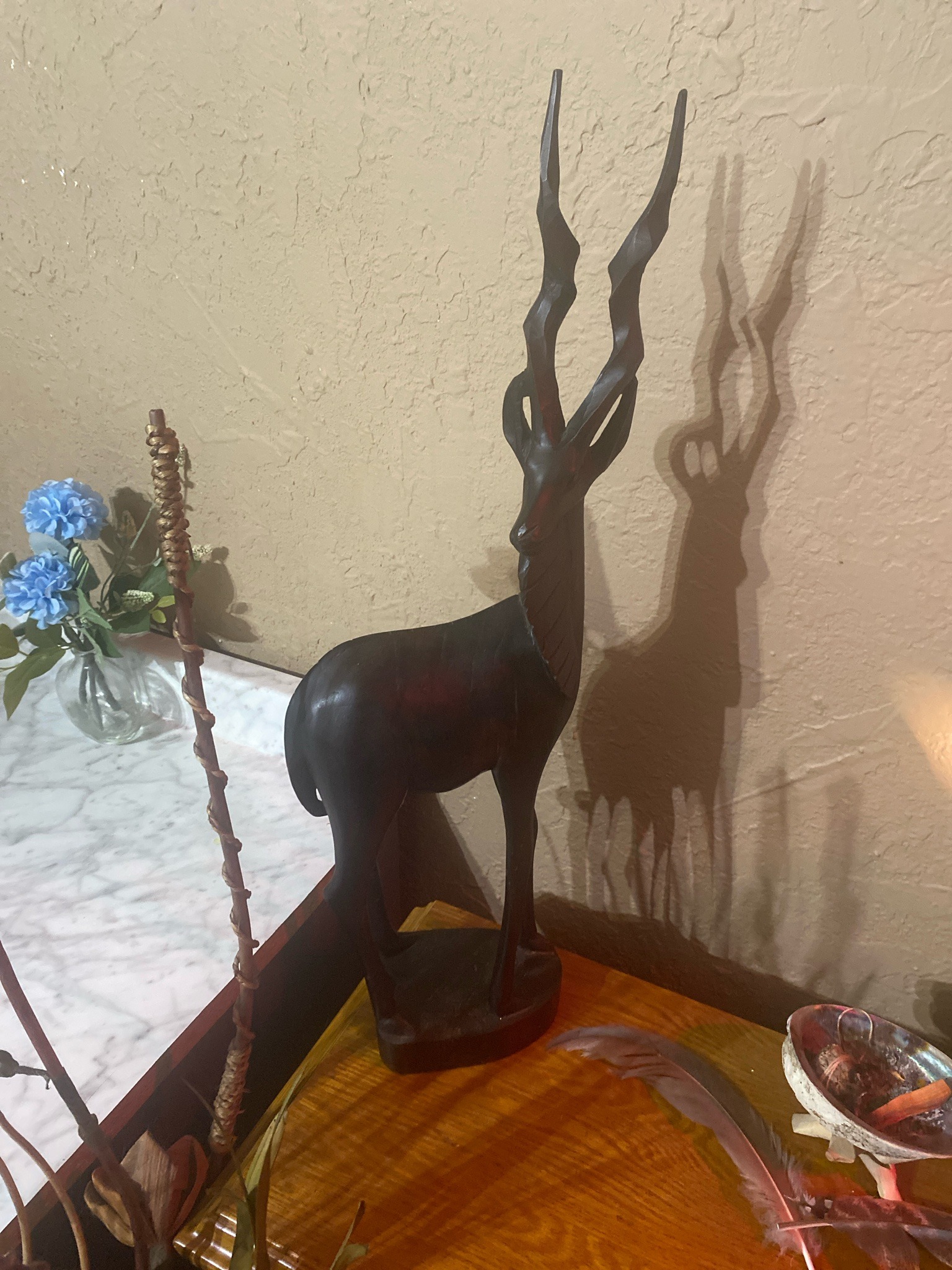
Black wooden gazelle

AI analysis below

AI appraisal

AI analysis & estimate

AI-Generated · Verify before acting

Everything below is generated by AI for informational purposes only. AI can make mistakes — the AI may misidentify items or misattribute them (artist, maker, brand, designer, origin, era). This is not an official valuation and should not be used for insurance, sale, tax, estate, legal, or lending purposes — or any decision requiring a certified appraisal. It is not an authoritative claim about any person, brand, or rights holder — do not share or rely on it as a factual statement about a third party. Always consult qualified professionals before making financial decisions.

Note

This analysis also relies on unverified notes provided by the user, which may be incomplete or inaccurate and could affect the result.

Read the full disclaimer

AI Identification

·Not independently authenticated·Verify before acting

Mid-Century African Hand-Carved Ebony Gazelle Sculpture

Decorative Arts / African Wood Carvings

AI Estimated Value

·Not an official valuation·Verify before acting

$125 - $225

As of June 28, 2026

AI Item Analysis

·AI can make mistakes·Verify before acting
This is a vintage hand-carved animal sculpture depicting a gazelle or impala, likely originating from East Africa (Kenya or Tanzania) and dating to the mid-to-late 20th century. The piece is expertly carved from a dense, heavy dark wood, appearing to be genuine ebony or a similarly dark-stained hardwood. It stands on an integral, rough-hewn rectangular base. The sculpture features a distinctive elongated form with high-relief, spiraling horns that extend nearly half the height of the entire piece. The anatomical rendering showcases a slender neck, a stylized chest with ribbed textural details, and a smooth, polished finish on the body that highlights the grain of the wood. The craftsman used a combination of smooth sanding on the flanks and more artisanal, visible chisel marks on the base and neck to create contrast. Regarding condition, the piece shows a rich, aged patina with some light surface dust in the crevices of the horns. There are no major visible cracks, though natural wood checking may be present upon closer inspection. The height appears significant, likely between 12 and 18 inches, making it a substantial shelf-top decorative object typical of the export art trade of the 1960s-1970s.
AI Appraisal Report

·AI can make mistakes·Verify before acting
I have carefully examined the provided description and visual characteristics of this hand-carved ebony gazelle. The piece is a classic example of East African 'Shetani' or export-style carving, likely produced in Kenya or Tanzania during the mid-20th-century tourist boom (c. 1960s-1970s). The craftsmanship is of high quality; the use of heartwood for the dark body and the characteristic spiraling horns suggests genuine Diospyros celebica (ebony). The contrast between the polished torso and the textured, adze-marked base is a hallmark of skilled Makonde or similar regional artistry. The condition appears Excellent, showing a well-developed patina and minimal desiccation cracks, which often plague dense tropical hardwoods in drier climates. In the current secondary market, vintage African hardwood carvings remain staples of Mid-Century Modern interior design. While mass-produced contemporary versions exist and hold little value, authentic vintage pieces with this level of anatomical stylization and height (12–18 inches) command a premium. Limitations of this virtual appraisal include the inability to verify weight—ebony should feel significantly heavier than stained softwoods—and the inability to inspect for repaired breaks in the fragile horns. To fully authenticate this as a period piece, I would require provenance documentation or a physical inspection to check for specific tool marks and wood density. Scientific testing for CITES compliance is not necessary for an item of this era but is worth noting for international transport. Value is based on recent auction results for larger, well-preserved mid-century African animalier sculptures.

Get your items appraised

Instant estimates of your treasures with AI-powered appraisals

Browse More Appraisals