AI Appraisal Estimate

AI-generated estimates · not official valuations

From the user

What was submitted

Photo and notes provided by the user — not generated by AI

Submitted item photo
Submitted photo · June 6, 2026

User's notes

No additional notes provided.

AI analysis below

AI appraisal

AI analysis & estimate

AI-Generated · Verify before acting

Everything below is generated by AI for informational purposes only. AI can make mistakes — the AI may misidentify items or misattribute them (artist, maker, brand, designer, origin, era). This is not an official valuation and should not be used for insurance, sale, tax, estate, legal, or lending purposes — or any decision requiring a certified appraisal. It is not an authoritative claim about any person, brand, or rights holder — do not share or rely on it as a factual statement about a third party. Always consult qualified professionals before making financial decisions.

Read the full disclaimer

AI Identification

·Not independently authenticated·Verify before acting

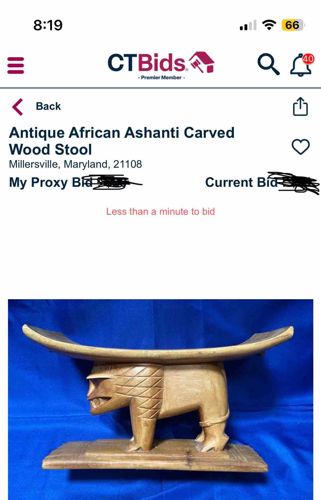
Antique African Ashanti Carved Wood Stool

Furniture & Decorative Arts

AI Estimated Value

·Not an official valuation·Verify before acting

$300-500

As of June 6, 2026

AI Item Analysis

·AI can make mistakes·Verify before acting
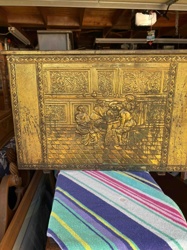
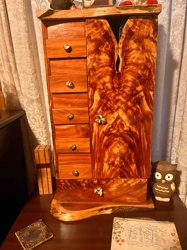
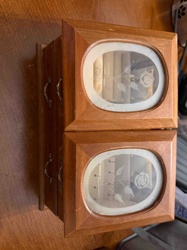
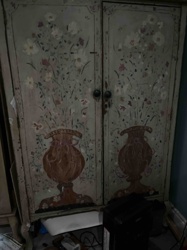
This item is an antique African Ashanti carved wood stool, possibly from the early to mid-20th century, given its apparent age and traditional design. It is hand-carved from a single piece of light-toned wood, likely a native African hardwood, displaying a natural, unstained finish that has developed a subtle patina over time. The stool measures approximately 15-20 inches in length and 8-10 inches in height, consistent with traditional Ashanti headrests or stools. Its unique construction features a flat, rectangular base that supports an anthropomorphic or zoomorphic figure, which in turn holds up a crescent-shaped, concave seat. The central support figure resembles a stylized animal or human-faced creature, possibly a lion or a mythical beast, with intricate geometric carvings on its front torso, suggesting scales or tribal patterns. The craftsmanship indicates hand-tooling, evident in the slightly uneven surfaces and the visible chisel marks, which add to its authentic, ethnographic appeal. There are visible signs of wear, including minor scratches, scuffs, and possibly some small chips consistent with age and use, but no significant structural damage or repairs are immediately apparent. The overall condition suggests it has been well-preserved. This piece showcases the distinctive artistic style and cultural significance of Ashanti woodworking.
AI Appraisal Report

·AI can make mistakes·Verify before acting
Upon examination of the provided images, this item presents as an authentic African Ashanti carved wood stool, likely dating to the early-to-mid 20th century. The piece is hand-carved from a single block of wood, consistent with traditional Ashanti craftsmanship. The design features a classic crescent-shaped seat supported by a central zoomorphic figure, possibly representing a lion, resting on a flat rectangular base. The geometric patterns and chisel marks are characteristic of hand-tooling from this region. The condition appears good for its age, showing a developed patina and expected signs of wear such as minor scuffs and scratches, which contribute to its ethnographic character. No major structural damage is visible. The market for authentic African tribal art remains steady. Comparable Ashanti stools from the 20th century, particularly those with well-executed carvings and good condition, often sell in the low-to-mid hundreds. The specific stylized figure and its level of detail are key value drivers. This piece's primary value is as a decorative and cultural artifact rather than a high-end ceremonial piece. However, this appraisal is limited by the inability to conduct a physical inspection. For full authentication, I would need to perform an in-person examination to assess the wood type, tool marks, and true patina. Furthermore, provenance documentation tracing its collection history or scientific testing (such as radiocarbon dating) would be required to definitively confirm its age and origin, which could significantly influence its value.

Get your items appraised

Instant estimates of your treasures with AI-powered appraisals

Browse More Appraisals