AI identification & appraisal estimate

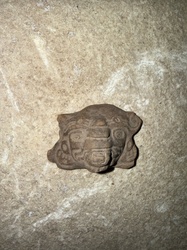
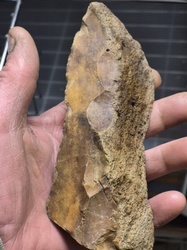
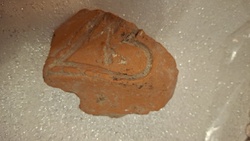
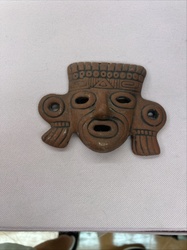
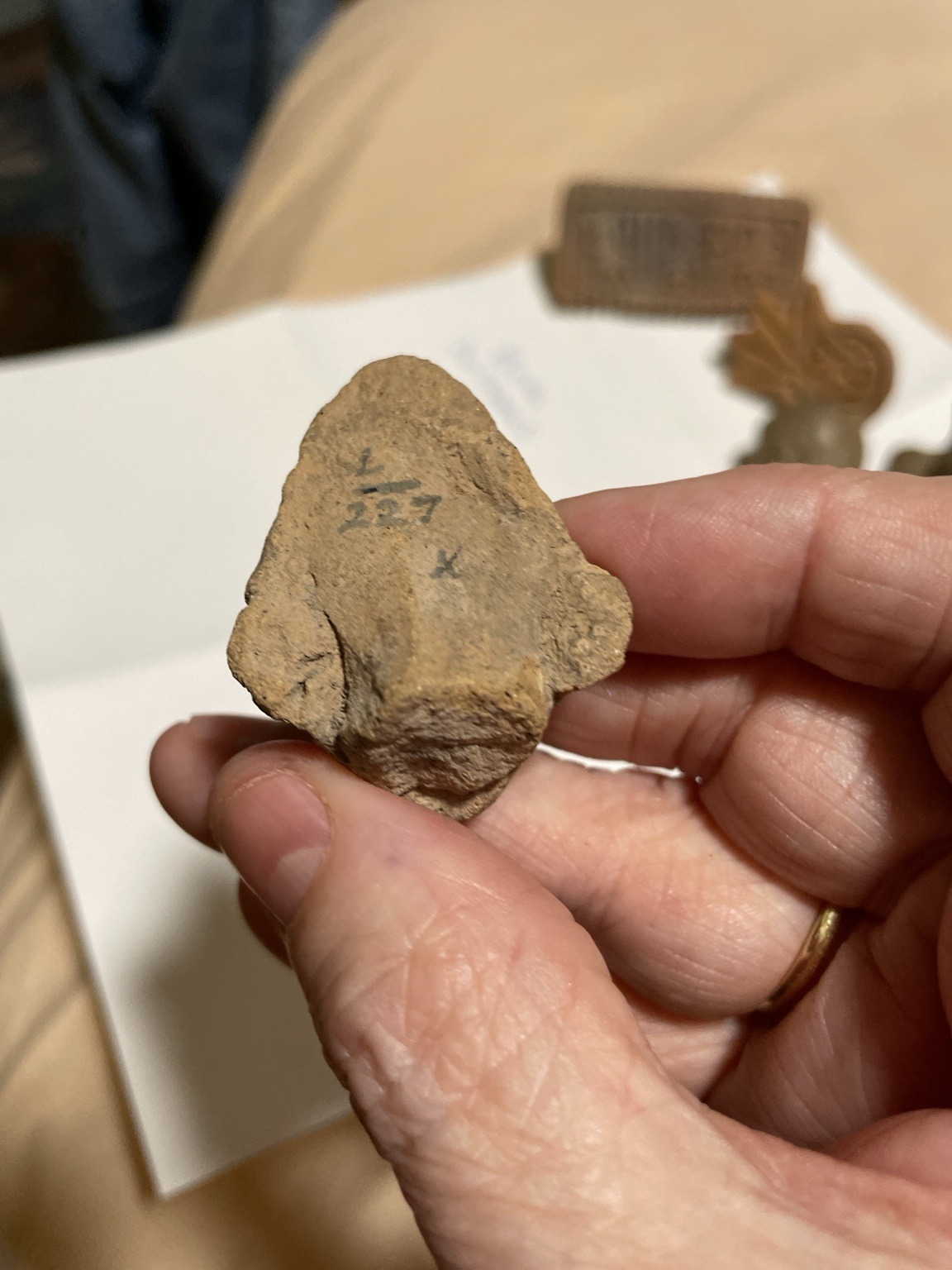
Pre-Columbian style earthenware artifact fragment

Submitted photo of Pre-Columbian style earthenware artifact fragment
Photo submitted by the user — not generated by AI

User's notes

Mesoamerican SanJuan TeoTihvacan,

These notes were written by the person who submitted this item. Appraiser.AI has not verified them, and the AI's identification and estimate may rely on them.

AI Estimated Value

Not an official valuation

$50–$150

AI estimate as of October 30, 2026 · verify with a professional before acting

AI-Generated · Verify before acting

Everything on this page is generated by AI for informational purposes only. AI can make mistakes — the AI may misidentify items or misattribute them (artist, maker, brand, designer, origin, era). This is not an official valuation and should not be used for insurance, sale, tax, estate, legal, or lending purposes — or any decision requiring a certified appraisal. It is not an authoritative claim about any person, brand, or rights holder — do not share or rely on it as a factual statement about a third party. Always consult qualified professionals before making financial decisions.

This analysis also relies on unverified notes provided by the user, which may be incomplete or inaccurate and could affect the result.

Read the full disclaimer

AI Item Analysis

This small archaeological artifact fragment is crafted from a coarse, porous earthenware ceramic material showing earthy brown and tan tones. It exhibits an irregular, broken shape with heavily worn and weathered surfaces, typical of excavated ceramic material. The object rests in a hand for scale, appearing to be a few centimeters in length. A notable feature is hand-written ink markings on the flat surface, consisting of a fractional notation or catalog number reading '1 / 227' with an additional 'x' underneath, suggesting it was part of an unverified collection or inventory. The fragment displays visible wear, surface degradation, fractures, and loss of original features due to age and handling. There are no maker's marks or stamps directly molded into the ceramic. The owner attributes this object to the Mesoamerican San Juan Teotihuacan culture; however, this user-supplied attribution is entirely unverified and requires professional archaeological assessment. The style and material are broadly consistent with ancient pre-Columbian pottery shards, but authenticity and specific cultural origin remain unverified.
AI Appraisal Report

Based on what I can see in the provided image, this object is a small, weathered earthenware ceramic fragment displaying coarse porosity and handwritten catalog markings reading '1 / 227'. The owner identifies this as part of the Mesoamerican San Juan Teotihuacan culture. I cannot verify this cultural origin, age, or material composition from a photograph alone; physical inspection, scientific testing such as thermoluminescence, and context from a documented collection are required to evaluate such claims. Assuming the hypothetical attribution to ancient Pre-Columbian pottery is correct, small surface shards with heavy damage and loss of original features typically occupy a modest niche in the antiquities market, as demand is generally concentrated on intact, fully formed vessels or well-documented figural pieces. Market behavior for fragmented, unprovenanced study shards of this scale typically ranges from $50 to $150. If the item turns out to be a modern reproduction, replica, decorative copy, or made simply 'in the style of' ancient pottery, the value would drop significantly, likely reducing it to a nominal decorative or educational value of $10 to $25. A physical examination by a qualified specialist in Mesoamerican art and material culture would be necessary to fully understand its nature and potential context.

Keep exploring

More antiquities appraisals

Get your items appraised

Instant AI-powered appraisal estimates from a photo

Browse More Appraisals