AI Appraisal Estimate

AI-generated estimates · not official valuations

From the user

What was submitted

Photo and notes provided by the user — not generated by AI

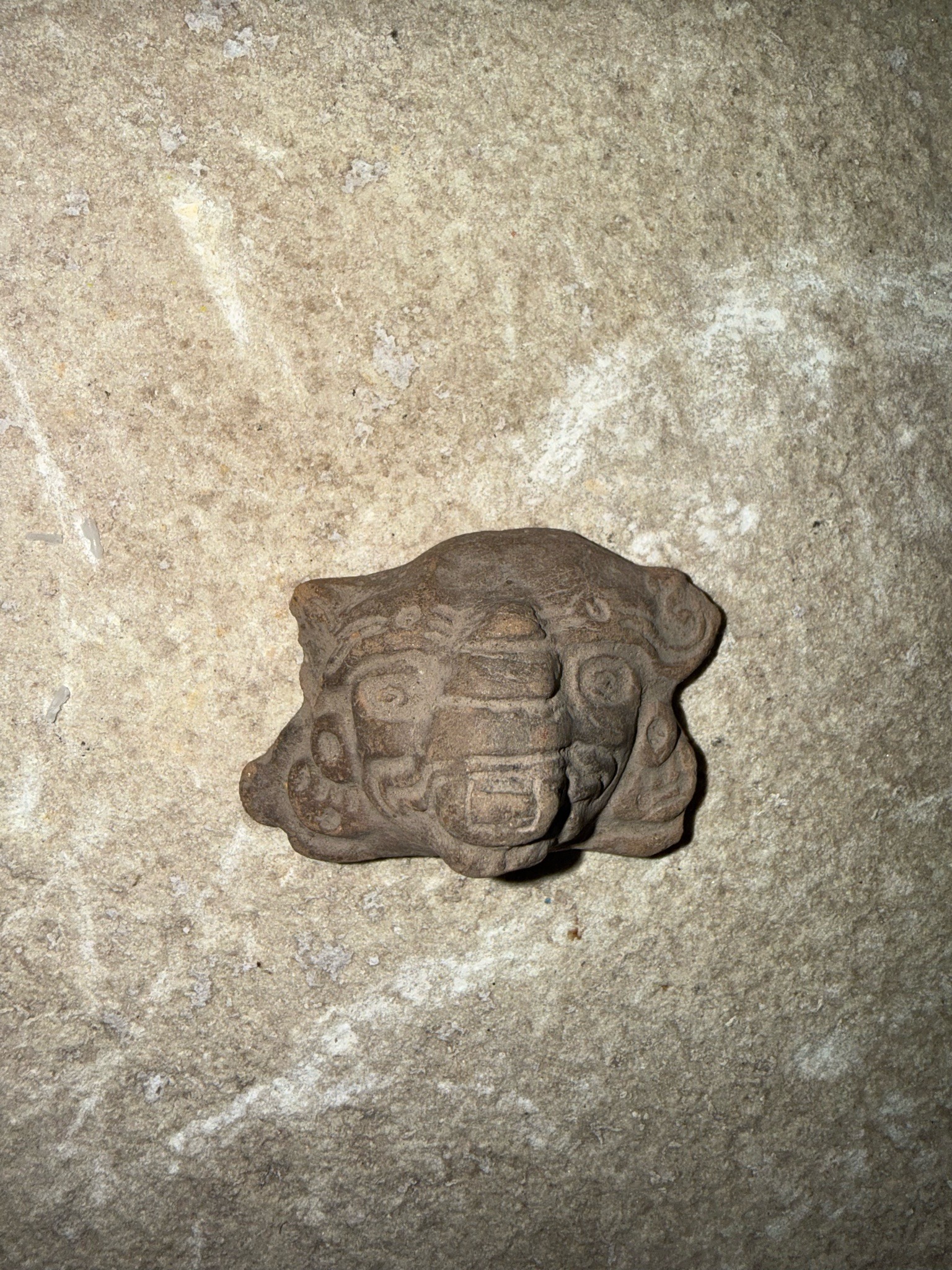
Submitted item photo
Submitted photo · June 30, 2026

User's notes

Aztec Period

AI analysis below

AI appraisal

AI analysis & estimate

AI-Generated · Verify before acting

Everything below is generated by AI for informational purposes only. AI can make mistakes — the AI may misidentify items or misattribute them (artist, maker, brand, designer, origin, era). This is not an official valuation and should not be used for insurance, sale, tax, estate, legal, or lending purposes — or any decision requiring a certified appraisal. It is not an authoritative claim about any person, brand, or rights holder — do not share or rely on it as a factual statement about a third party. Always consult qualified professionals before making financial decisions.

Note

This analysis also relies on unverified notes provided by the user, which may be incomplete or inaccurate and could affect the result.

Read the full disclaimer

AI Identification

·Not independently authenticated·Verify before acting

Pre-Columbian-style zoomorphic terracotta fragment

Archaeological Artifacts and Antiquities

AI Estimated Value

·Not an official valuation·Verify before acting

$400 - $800

As of June 30, 2026

AI Item Analysis

·AI can make mistakes·Verify before acting
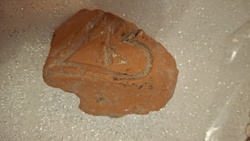
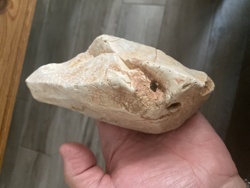
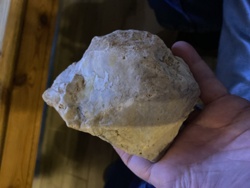
This object is a small, hand-modeled terracotta or clay fragment featuring a stylized zoomorphic or monstrous face, potentially representing a feline or deity figure. It is stylistically consistent with artifacts from Mesoamerican cultures, particularly showing traits seen in Aztec or Mixtec iconographies, such as prominent eyes with circular outlines and a ridged central snout or mouth area. The user identifies this as being from the 'Aztec Period,' though this claim is unverified without professional archaeological provenance and thermoluminescence testing. The material appears to be a reddish-brown earthenware with a coarse texture and significant surface accretion, including dirt and mineral deposits typical of found artifacts. The edges are irregular and weathered, suggesting it may have originally been part of a larger vessel or architectural relief. There are no visible maker's marks or inscriptions. Its age cannot be determined from the image alone, as modern replicas often use traditional techniques to mimic the appearance of genuine antiquities. The identification as 'Aztec-style' is a hypothesis based on visual motifs, as physical inspection is required to differentiate between an ancient piece and a high-quality 20th-century reproduction.
AI Appraisal Report

·AI can make mistakes·Verify before acting
I have examined the images of this terracotta zoomorphic fragment, which the user-supplied information attributes to the Aztec Period. Based on what I can see, the piece displays stylistic motifs consistent with Mesoamerican earthenware, specifically the circular eye orbits and ridged snout characteristic of Postclassic Central Mexican iconography. However, I cannot verify the age or cultural origin from a photograph alone; these features may represent an ancient artifact or a high-quality 20th-century reproduction designed to mimic archaeological finds. The surface shows significant accretion and weathering, but these can be artificially induced. The value estimate of $400 - $800 is based on the hypothesis that the piece is a genuine Pre-Columbian artifact from the suggested period. Market demand for fragmented Mesoamerican deity figures remains steady among collectors of antiquities, though values are heavily dependent on provenance and legality of ownership. If this item were determined to be a modern 'in the style of' replica or a decorative souvenir, its decorative value would likely fall to $50 - $100. To establish a more precise valuation, a physical inspection is necessary to evaluate the firing techniques and mineral deposits. Furthermore, scientific thermoluminescence (TL) testing would be required to provide evidence of the firing date, and thorough documentation of the item's provenance would be required to ensure compliance with cultural heritage regulations. Without such verification, this estimate remains a working assumption based on visual style.

Get your items appraised

Instant estimates of your treasures with AI-powered appraisals

Browse More Appraisals