AI Appraisal Estimate

AI-generated estimates · not official valuations

From the user

What was submitted

Photo and notes provided by the user — not generated by AI

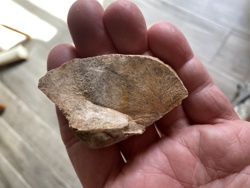
Submitted item photo
Submitted photo · May 22, 2026

User's notes

No additional notes provided.

AI analysis below

AI appraisal

AI analysis & estimate

AI-Generated · Verify before acting

Everything below is generated by AI for informational purposes only. AI can make mistakes — the AI may misidentify items or misattribute them (artist, maker, brand, designer, origin, era). This is not an official valuation and should not be used for insurance, sale, tax, estate, legal, or lending purposes — or any decision requiring a certified appraisal. It is not an authoritative claim about any person, brand, or rights holder — do not share or rely on it as a factual statement about a third party. Always consult qualified professionals before making financial decisions.

Read the full disclaimer

AI Identification

·Not independently authenticated·Verify before acting

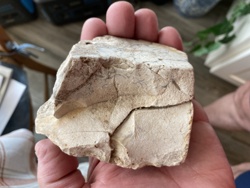
Worked stone object, consistent with a lithic tool

Archaeological & Anthropological Items

AI Estimated Value

·Not an official valuation·Verify before acting

$50–$150

As of May 22, 2026

AI Item Analysis

·AI can make mistakes·Verify before acting
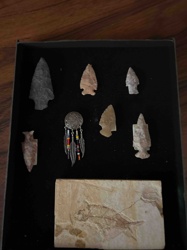
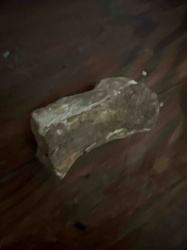
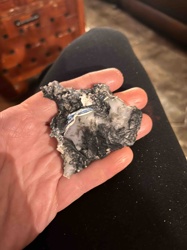
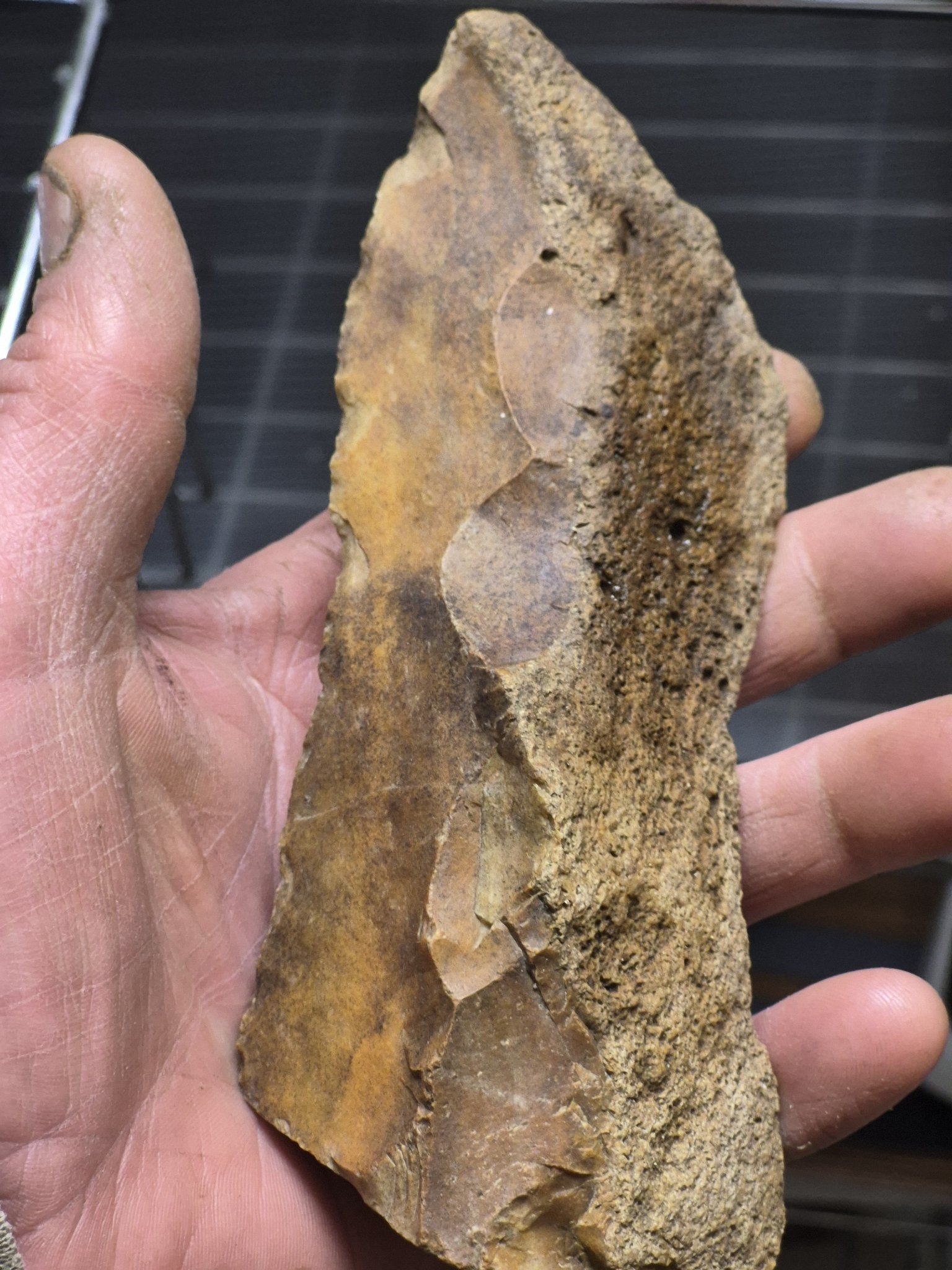
The item appears to be a stone manual tool, stylistically consistent with a bifacial lithic scraper or hand-axe. It is elongated and tapered, measuring approximately several inches in length as it is shown being held in a human hand. The material appears to be a variety of chert, flint, or similar siliceous stone, exhibiting variegated shades of ochre, tan, and dark brown. One side displays significant conchoidal fracturing, which is a characteristic signal of intentional knapping or 'flaking' rather than natural erosion. The right-hand margin of the object retains a rough, pitted surface that appears consistent with the natural cortex of the original stone cobble. The edges appear to have been worked to create a sharp, functional margin. There are no visible maker's marks, signatures, or inscriptions. The condition shows surface weathering and potential patina consistent with archaeological lithics, though modern replication cannot be ruled out from imagery alone. Due to the lack of archaeological context and professional laboratory testing, this identification is a hypothesis based on visual morphological features only. In-person expert consultation with an archaeologist or lithics specialist would be required to suggest an approximate period, origin, or cultural affiliation.
AI Appraisal Report

·AI can make mistakes·Verify before acting
Based on my visual analysis of the provided imagery, I have examined a stone object that exhibits morphological features consistent with a bifacial lithic tool, possibly a scraper or small hand-axe. From what I can see, the presence of conchoidal fracturing and intentional flaking along the margins suggests human manufacture rather than natural geofacts. However, I cannot verify from a photo whether these flake scars were produced in antiquity or are the result of modern lithic replication. The variegated chert or flint material and the presence of what appears to be a natural cortex are typical for such items, but the surface patina's age is impossible to authenticate without physical inspection. The market value for archaeological and anthropological stone tools is heavily dependent on documented provenance and expert authentication. For an item of this type, assuming it is an ancient lithic and not a modern reproduction, the value typically falls within the $50–$150 range in the current collectibles market. This estimate reflects the lack of specific cultural or site context, which usually commands higher prices. If the piece is later determined to be a modern replica or an 'in the style of' piece for educational use, the value would likely drop below $20. To establish a more precise value or cultural affiliation, an in-person examination by an archaeologist or specialist in lithic analysis would be required to look for microscopic use-wear patterns and mineral calcification. Until such scientific testing and provenance documentation are provided, the identification remains a hypothesis.

Get your items appraised

Instant estimates of your treasures with AI-powered appraisals

Browse More Appraisals