AI Appraisal Estimate

AI-generated estimates · not official valuations

From the user

What was submitted

Photo and notes provided by the user — not generated by AI

Submitted item photo
Submitted photo · June 13, 2026

User's notes

No additional notes provided.

AI analysis below

AI appraisal

AI analysis & estimate

AI-Generated · Verify before acting

Everything below is generated by AI for informational purposes only. AI can make mistakes — the AI may misidentify items or misattribute them (artist, maker, brand, designer, origin, era). This is not an official valuation and should not be used for insurance, sale, tax, estate, legal, or lending purposes — or any decision requiring a certified appraisal. It is not an authoritative claim about any person, brand, or rights holder — do not share or rely on it as a factual statement about a third party. Always consult qualified professionals before making financial decisions.

Read the full disclaimer

AI Identification

·Not independently authenticated·Verify before acting

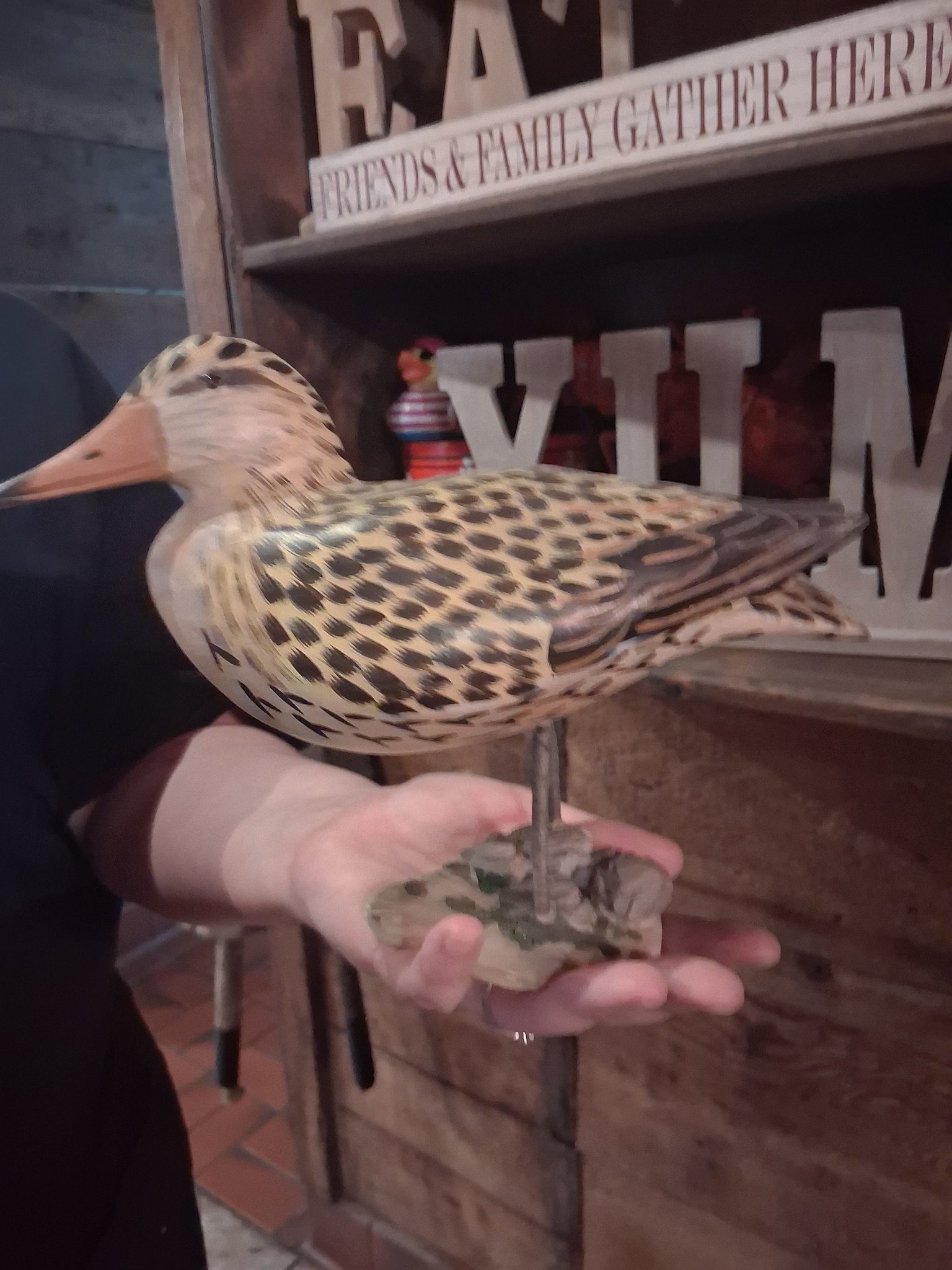
Hand-Carved Decorative Shorebird Decoy Ornamented on Driftwood Base

Art and Collectibles / Hand-Carved Decoys

AI Estimated Value

·Not an official valuation·Verify before acting

$175 - $250

As of June 13, 2026

AI Item Analysis

·AI can make mistakes·Verify before acting
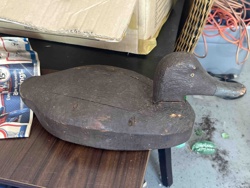
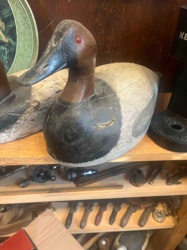
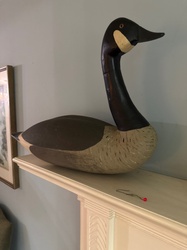
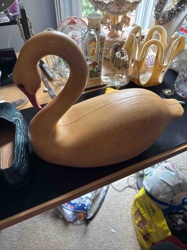
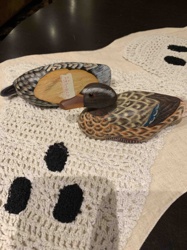
This is a meticulously hand-crafted decorative shorebird or waterfowl decoy, likely representing a variety of duck or plover. The item features a solid wood body, finely carved with a smooth finish and a pointed, slightly downward-curving orange bill. The plumage is intricately rendered through expert decorative painting, utilizing a multi-tonal palette of creams, tans, and dark browns. A distinctive leopard-like spotting pattern covers the torso, transitioning into more linear feather strokes on the head and neck. The primary wing feathers are represented by darker, brownish-grey tones with visible grain-enhancing paintwork. The bird is mounted atop slender metal legs, which are anchored into a faux-naturalistic base designed to resemble weathered rock or mossy driftwood with green and grey highlights. Measuring approximately 6 to 8 inches in height including the base, the piece exhibits high-quality craftsmanship characteristic of folk art collectibles from the late 20th century. The condition appears excellent with no visible cracks in the wood or significant paint loss; there is a slight naturalistic patina likely intended by the artist. No signature is visible in this view, but the precision suggests a skilled artisan. This piece serves as a sophisticated display item, blending naturalistic sculpture with decorative folk art traditions.
AI Appraisal Report

·AI can make mistakes·Verify before acting
I have conducted a thorough visual examination of this hand-carved decorative shorebird decoy. The piece exhibits exceptional craftsmanship, particularly in the meticulous application of the 'leopard-style' stippling and the transition to linear feathering. The smooth finish and the integration of a realistic driftwood-style base suggest a late 20th-century artisan piece, likely influenced by the Eastern Seaboard folk art tradition. The condition is excellent, showing no signs of wood shrinkage, paint lifting, or structural damage to the metal supports. The current market for decorative decoys remains stable, though price points are heavily dictated by the presence of a signature. In its current state, without a visible marque from a recognized carver like Crowell or McNair, the value is based on the aesthetic 'shelf appeal' and the technical skill of the paintwork. Comparable works by anonymous but skilled artisans typically sell in the $150 to $300 range at specialty boutiques or sporting auctions. Factors impacting the value include the high level of detail in the plumage and the intact nature of the delicate bill. However, the lack of provenance and visible signature acts as a ceiling on the valuation. Limitations of this appraisal include the inability to verify the wood species or weight, which can distinguish a hollow-carved piece from a solid one—a significant factor in rarity. To provide a definitive authentication, I would require an in-person inspection of the underside of the base for a branded mark, as well as any documentation regarding the artist or original gallery purchase. Scientific testing of the pigment would only be necessary if the piece were being attributed to a pre-1950s master carver.

Get your items appraised

Instant estimates of your treasures with AI-powered appraisals

Browse More Appraisals