AI Appraisal Estimate

AI-generated estimates · not official valuations

From the user

What was submitted

Photo and notes provided by the user — not generated by AI

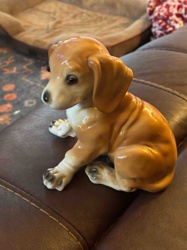
Submitted item photo
Submitted photo · May 27, 2026

User's notes

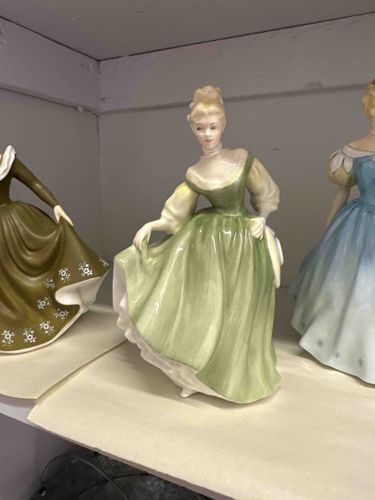
Fair Lady Royal Doulton Figurine H.N. 2193

AI analysis below

AI appraisal

AI analysis & estimate

AI-Generated · Verify before acting

Everything below is generated by AI for informational purposes only. AI can make mistakes — the AI may misidentify items or misattribute them (artist, maker, brand, designer, origin, era). This is not an official valuation and should not be used for insurance, sale, tax, estate, legal, or lending purposes — or any decision requiring a certified appraisal. It is not an authoritative claim about any person, brand, or rights holder — do not share or rely on it as a factual statement about a third party. Always consult qualified professionals before making financial decisions.

Note

This analysis also relies on unverified notes provided by the user, which may be incomplete or inaccurate and could affect the result.

Read the full disclaimer

AI Identification

·Not independently authenticated·Verify before acting

Fair Lady Royal Doulton Figurine H.N. 2193

Ceramic Figurine

AI Estimated Value

·Not an official valuation·Verify before acting

$100-150

As of May 27, 2026

AI Item Analysis

·AI can make mistakes·Verify before acting
The item is a Royal Doulton porcelain figurine titled 'Fair Lady', model number H.N. 2193. This elegant figurine depicts a young woman in motion, gracefully holding her voluminous gown. The primary color of her dress is a soft, graduated green, transitioning from a lighter lime green on the bodice and sleeves to a deeper, more saturated green on the lower part of the skirt. A white ruffled undergarment is visible beneath the main skirt, adding to the dimension of the drapery. Her short, puffed sleeves are also in a lighter green shade, and a creamy white collar or neckline frames her delicate face. Her hair is styled in an upswept blonde coiffure, and her facial features are finely painted with rosy cheeks and subtle red lips. The craftsmanship appears to be of high quality, typical of Royal Doulton, known for its intricate detailing and hand-painted finishes. The figurine likely stands on a molded base, though it is not fully visible in the image. There are no visible chips, cracks, or repairs, suggesting it is in good condition, consistent with its likely age as a collector's item. The sheen of the glaze indicates a well-preserved piece. Royal Doulton figurines of this type were popular throughout the 20th century, particularly from the mid-century onward, making this piece likely from that era. The pose suggests movement and fluidity, a testament to the sculptor's skill. The subtle shading and delicate painting contribute to its overall aesthetic appeal.
AI Appraisal Report

·AI can make mistakes·Verify before acting
I have examined the provided image of the Royal Doulton figurine 'Fair Lady', H.N. 2193. Visually, the condition appears excellent; I observe no chips, cracks, or repairs, and the glaze retains its original sheen, suggesting careful preservation. The painting details, such as the graduated green of the gown and the facial features, are consistent with Royal Doulton's high-quality craftsmanship for this era. Based on the model number and typical Royal Doulton production, authenticity is strongly suggested. In terms of market conditions, Royal Doulton figurines, particularly those in pristine condition and with desirable modeling like 'Fair Lady's' elegant pose, maintain consistent collector interest. Comparables for H.N. 2193 in similar condition typically sell in the upper range of entry-level to mid-range collectible figurines. Demand for classic Royal Doulton pieces remains steady among dedicated collectors. While 'Fair Lady' is not considered exceptionally rare, its appealing design and apparent condition contribute positively to its desirability. The most significant value factors here are the excellent visual condition and the timeless aesthetic appeal of the figurine. Any undetected damage, such as a hairline fracture only visible upon close physical inspection, would significantly impact the value downwards. It is crucial to note the limitations of image-based appraisal. While the visual evidence is strong, full authentication and assessment of condition require in-person examination. Physical inspection would allow me to check for invisible repairs under UV light, assess any subtle crazing, and verify the authenticity of the base marks. Provenance documentation, such as original sales receipts or certificates, would also solidify authenticity. Without physical access, I must rely solely on the provided visual information.

Get your items appraised

Instant estimates of your treasures with AI-powered appraisals

Browse More Appraisals