AI Appraisal Estimate

AI-generated estimates · not official valuations

From the user

What was submitted

Photo and notes provided by the user — not generated by AI

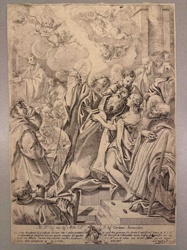
Submitted item photo
Submitted photo · May 27, 2026

User's notes

No additional notes provided.

AI analysis below

AI appraisal

AI analysis & estimate

AI-Generated · Verify before acting

Everything below is generated by AI for informational purposes only. AI can make mistakes — the AI may misidentify items or misattribute them (artist, maker, brand, designer, origin, era). This is not an official valuation and should not be used for insurance, sale, tax, estate, legal, or lending purposes — or any decision requiring a certified appraisal. It is not an authoritative claim about any person, brand, or rights holder — do not share or rely on it as a factual statement about a third party. Always consult qualified professionals before making financial decisions.

Read the full disclaimer

AI Identification

·Not independently authenticated·Verify before acting

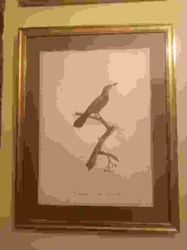
Gilt-Framed Neoclassical Chromolithograph of the Nine Muses Dancing

Fine Art / Antique Prints

AI Estimated Value

·Not an official valuation·Verify before acting

$400 - $600

As of May 27, 2026

AI Item Analysis

·AI can make mistakes·Verify before acting
This item is a decorative framed print, appearing to be a mid-to-late 19th-century chromolithograph or tinted lithograph, depicting the Nine Muses dancing in a circle. The artwork is characterized by a Neoclassical or Greek Revival style, with figures in flowing classical robes against a plain gold-toned background, likely mimicking a fresco or gilded panel. At the bottom of the central image reflects a blue banner with illegible inscriptions, possibly identifying the artist or the specific allegorical subject. The piece is housed in an elaborately carved wood and gesso frame with a brilliant gilt finish. The frame features intricate ornate scrolls, floral motifs, and a gadrooned or egg-and-dart perimeter border. Physically, the frame shows signs of age with significant dust accumulation in the crevices, minor abrasions to the gilding, and potential small losses to the gesso ornamentation consistent with its age. The paper or board of the print shows slight undulation and possible light foxing or discoloration associated with atmospheric exposure. The heavy, layered construction of the frame suggests a European origin, possibly Italian or French, from the late Victorian era. Such pieces were popular as grand tour souvenirs or decorative elements in academic-style interiors.
AI Appraisal Report

·AI can make mistakes·Verify before acting
Based on my visual examination of this gilt-framed Neoclassical print, I identify this as a late 19th-century decorative chromolithograph, likely of French or Italian origin. The subject—the Nine Muses dancing—is a quintessential Academic or Neoclassical motif, popular during the Grand Tour era. The primary value driver here is the elaborate wood and gesso frame rather than the print itself. The frame is substantial, featuring deep relief scrollwork and a brilliant gilt finish, though I note significant dust accumulation and minor abrasions consistent with age. The print exhibits signs of time, including slight paper undulation and potential toning, which is expected for a piece of this epoch. While visually striking, the print appears to be a mass-produced decorative element rather than a signed, limited-edition fine art lithograph. Comparable sales for similar decorative Victorian-era framed lithographs generally fall within the $400 to $600 range at auction, with retail prices in antique shops potentially reaching $800. The market for heavy, gilt-framed classical subjects has softened slightly in favor of modern aesthetics, yet they remain desirable for traditional interior design. It is crucial to note that without physical inspection, I cannot confirm the specific printing technique (e.g., verifying dot patterns versus stone grain) or remove the backing to check for a maker's mark or hidden publisher stamp. An in-person examination would be necessary to assess the stability of the gesso and confirm the absence of acid burn on the print from non-archival framing materials.

Get your items appraised

Instant estimates of your treasures with AI-powered appraisals

Browse More Appraisals