AI Appraisal Estimate

AI-generated estimates · not official valuations

From the user

What was submitted

Photo and notes provided by the user — not generated by AI

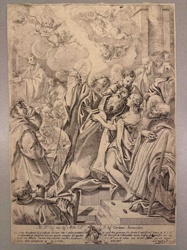
Submitted item photo
Submitted photo · May 27, 2026

User's notes

No additional notes provided.

AI analysis below

AI appraisal

AI analysis & estimate

AI-Generated · Verify before acting

Everything below is generated by AI for informational purposes only. AI can make mistakes — the AI may misidentify items or misattribute them (artist, maker, brand, designer, origin, era). This is not an official valuation and should not be used for insurance, sale, tax, estate, legal, or lending purposes — or any decision requiring a certified appraisal. It is not an authoritative claim about any person, brand, or rights holder — do not share or rely on it as a factual statement about a third party. Always consult qualified professionals before making financial decisions.

Read the full disclaimer

AI Identification

·Not independently authenticated·Verify before acting

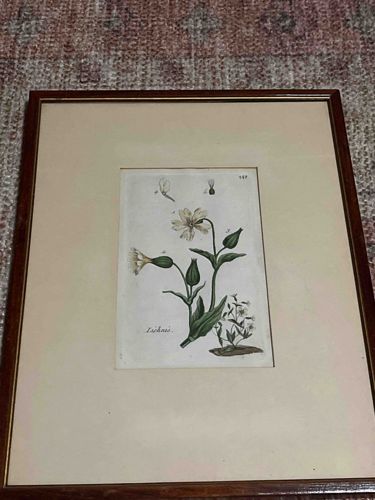
Framed Lychnis Botanical Print

Fine Art / Antique Prints

AI Estimated Value

·Not an official valuation·Verify before acting

$150 - $250

As of May 27, 2026

AI Item Analysis

·AI can make mistakes·Verify before acting
This is a matted and framed hand-colored botanical engraving or lithograph, likely harvested from a historical scientific or gardening compendium. The central subject is the Lychnis plant (member of the Caryophyllaceae family), rendered with fine line work and a subtle color palette consisting of muted greens, creams, and earthy browns. The composition depicts various stages of the plant's life cycle, including a prominent open bloom, closed buds, and anatomical details like seeds or petals at the top. The word 'Lychnis' is inscribed in cursive at the bottom left of the plate, and a plate number '247' is visible in the top right corner. The paper shows characteristic aging with a slight overall yellowing or 'tanned' patina consistent with 18th or 19th-century printing. The print is set within a wide, cream-colored window mat that appears to have an inner gold-beaded or beveled edge for a tiered aesthetic. The frame is a classic dark wood variety, possibly mahogany or stained walnut, featuring a thin gold-toned fillet or inner border that provides a sophisticated contrast. The craftsmanship of the engraving suggests high-quality 19th-century scientific illustration. The condition of the frame appears good with minor surface scuffs, while the print exhibits expected light foxing and toning that typically accompanies antique paper goods protected under glass. The overall presentation is characteristic of the Neoclassical or Victorian interest in natural history documentation.
AI Appraisal Report

·AI can make mistakes·Verify before acting
I have carefully examined the visual characteristics of this botanical specimen. Based on the plate number '247' and the specific Linnaean-style cursive typography, this work appears to be a hand-colored engraving from a 19th-century horticultural publication, such as William Curtis’s ‘The Botanical Magazine’ or a similar period florilegium. The age is evidenced by the 'tanned' patina of the paper and the presence of light foxing, which aligns with Victorian-era wood-pulp or cotton-rag aging processes. The framing is of high quality, featuring a beaded inner mat fillet that enhances its decorative appeal. The market for 19th-century botanical prints remains stable, primarily driven by interior design trends rather than extreme rarity. Similar plates from mid-sized editions frequently appear at auction and in antique galleries within this price range. Higher values are reserved for works by Pierre-Joseph Redouté or larger-scale folios. The current valuation reflects the standard decorative market and the presence of minor surface scuffs on the frame. Limitations: This appraisal is based solely on digital imagery. Full authentication is restricted without a physical inspection to verify the presence of a plate mark (depression in the paper), the characteristic smell of antique paper, and the specific density of the ink. To confirm the piece is an original engraving rather than a high-quality modern photomechanical offset lithograph, I would need to examine the print under 10x magnification to ensure the absence of a CMYK dot pattern and to confirm that the hand-coloring follows the engraved lines precisely. Provenance documentation regarding the specific volume it was removed from would further solidify its historical standing.

Get your items appraised

Instant estimates of your treasures with AI-powered appraisals

Browse More Appraisals