AI Appraisal Estimate

AI-generated estimates · not official valuations

From the user

What was submitted

Photo and notes provided by the user — not generated by AI

Submitted item photo
Submitted photo · June 14, 2026

User's notes

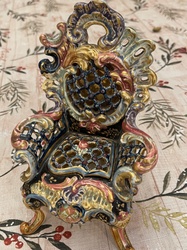
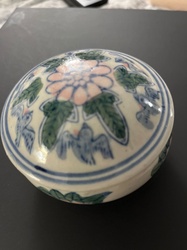
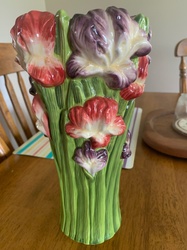
Zsolnay Eosin Art Nouveau dish

AI analysis below

AI appraisal

AI analysis & estimate

AI-Generated · Verify before acting

Everything below is generated by AI for informational purposes only. AI can make mistakes — the AI may misidentify items or misattribute them (artist, maker, brand, designer, origin, era). This is not an official valuation and should not be used for insurance, sale, tax, estate, legal, or lending purposes — or any decision requiring a certified appraisal. It is not an authoritative claim about any person, brand, or rights holder — do not share or rely on it as a factual statement about a third party. Always consult qualified professionals before making financial decisions.

Note

This analysis also relies on unverified notes provided by the user, which may be incomplete or inaccurate and could affect the result.

Read the full disclaimer

AI Identification

·Not independently authenticated·Verify before acting

Zsolnay Eosin Glaze Art Nouveau 'Narcissus' Figural Dish

Antique/Decorative Art Ceramics

AI Estimated Value

·Not an official valuation·Verify before acting

$1,800 - $2,500

As of June 14, 2026

AI Item Analysis

·AI can make mistakes·Verify before acting
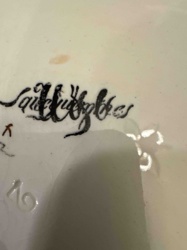
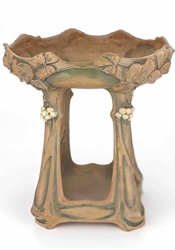
This is a quintessential example of Art Nouveau ceramics from the renowned Hungarian manufacturer Zsolnay. The piece features a shallow, organic-shaped dish, likely intended as a vide-poche or pin tray, modeled after a lily pad or a pool of water. Seated on the rim is an elegant, stylized female nude figure in a contemplative posture, leaning over the edge to gaze at her reflection, a design historically referred to as 'Narcissus'. The item is finished in the signature 'Eosin' glaze, a complex iridescent metallic finish that displays a shifting color palette ranging from luminous gold and emerald green to deep purples and blues. The glaze is characterized by its high-gloss, liquid-like sheen which emphasizes the fluid, sinuous lines typical of the Secessionist movement. At the point where the figure's hand touches the bowl, the craftsman has simulated ripples in the ceramic surface, adding a realistic narrative touch to the stylized form. Regarding condition, the glaze appears to be in excellent state with minimal crazing visible; the iridescent surface is bright and shows no significant scuffs or 'rubbing' common in older pieces. While the base is not visible in the image, these items typically bear the five-church Zsolnay Pecs stamp. The craftsmanship is high, exhibiting the seamless integration of figure and vessel typical of the early 20th-century period (circa 1900-1920) or a high-quality mid-century reissue.
AI Appraisal Report

·AI can make mistakes·Verify before acting
I have conducted a visual examination of the Zsolnay 'Narcissus' vide-poche. The item exhibits the hallmark characteristics of the Hungarian Secessionist period, specifically the Eosin metallic luster glaze which shows exceptional vibrance and depth. The fluid, organic integration of the female figure with the 'water' surface is a high-water mark of Art Nouveau design. Based on the provided images, the condition appears excellent; the iridescent surface lacks the thinning or matte 'rubbing' often found on high-contact areas, and the absence of visible crazing suggests superior kiln control or a well-preserved environment. Market demand for Zsolnay Eosin pieces remains robust, particularly for figural subjects. Comparable sales of Narcissus-themed dishes range from $1,500 for mid-century reissues to over $3,500 for documented early 20th-century originals with rare glaze variations. This estimate reflects the piece's high aesthetic quality and the enduring collectability of the motif. However, certain limitations exist in this remote assessment. While the form and glaze luster are consistent with authentic Zsolnay production, a definitive valuation requires a physical inspection of the base to verify the five-church Pecs backstamp and determine if the piece is an original circa 1900-1910 execution or a later high-quality reissue from the 1950s or 60s. Scientific testing for glaze composition and tactile inspection for professional restoration (often invisible in photography) would be necessary for a final authentication and insurance-grade appraisal.

Get your items appraised

Instant estimates of your treasures with AI-powered appraisals

Browse More Appraisals