These notes were written by the person who submitted this item. Appraiser.AI has not verified them, and the AI's identification and estimate may rely on them.
AI Estimated Value
Not an official valuation
$4,000 - $6,000
AI estimate as of July 16, 2025 · verify with a professional before acting
AI-Generated · Verify before acting
Everything on this page is generated by AI for informational purposes only. AI can make mistakes — the AI may misidentify items or misattribute them (artist, maker, brand, designer, origin, era). This is not an official valuation and should not be used for insurance, sale, tax, estate, legal, or lending purposes — or any decision requiring a certified appraisal. It is not an authoritative claim about any person, brand, or rights holder — do not share or rely on it as a factual statement about a third party. Always consult qualified professionals before making financial decisions.
This analysis also relies on unverified notes provided by the user, which may be incomplete or inaccurate and could affect the result.
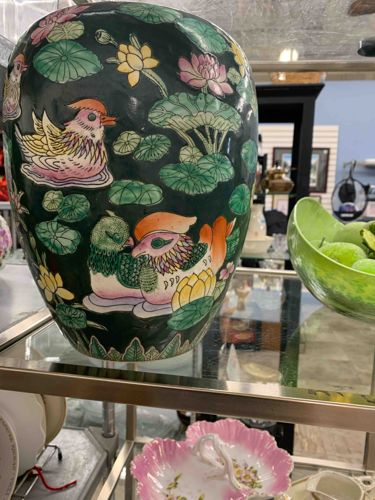
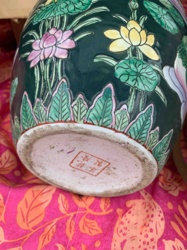
This appears to be a large, ovoid-shaped ceramic vase or jar, characterized by a dark, possibly black or very deep green, background glaze. The surface is richly decorated with polychrome enameled depictions of Mandarin ducks, lotus blossoms, and lily pads, indicative of Chinese decorative arts. The prominent figures include at least three ducks: one on the upper left, predominantly yellow and pink with a red bill, and two intertwined at the bottom, showcasing vibrant green, pink, and orange plumage. The surrounding flora details include large and small lotus leaves in various shades of green, some with visible veining and raised textures. Scattered among the leaves are delicate pink and yellow lotus flowers. The style suggests a Famille Noire or 'noir vert' palette due to the dark ground and vibrant overglaze enamels. The craftsmanship appears to be of good quality, with clear outlines and well-filled colors. There are no immediately visible cracks, chips, or significant damage from the provided images, though a thorough inspection would be needed to assess the full condition and look for crazing or repairs. The item's robust form and detailed, auspicious imagery (ducks often symbolize marital fidelity and love in Asian cultures, while lotus flowers purity and rebirth) suggest it could be a decorative piece from the late 19th to mid-20th century, possibly Republic period or earlier given the distinct 'noir' background. The piece seems substantial in size, likely serving as a floor vase or a significant tabletop accent.
AI Appraisal Report
Upon visual examination of the images provided, this large ovoid jar exhibits characteristics of a Chinese Famille Noire ('black family') piece, featuring auspicious motifs of Mandarin ducks and lotus flowers. The vibrant polychrome enamels—pinks, greens, yellows—are set against a lustrous black ground. The depiction of the ducks and flora is well-executed, suggesting a high level of craftsmanship. Based on the style, form, and enameling technique, I would place this piece as likely dating from the late 19th or early 20th century (late Qing Dynasty to Republic Period).
The item appears to be in excellent condition, with no visible chips, cracks, or significant losses to the enamel. The market for high-quality Chinese ceramics from this period remains strong, particularly for decorative pieces with appealing subjects like this one. Famille Noire wares, especially older and well-painted examples, are sought after by collectors.
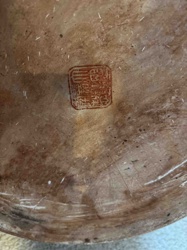
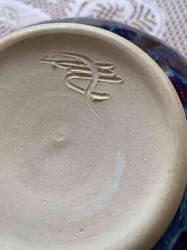
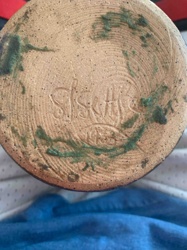
However, it's crucial to note the limitations of an appraisal based solely on photographs. Famille Noire has been widely reproduced, and distinguishing an authentic period piece from a later copy or modern reproduction is extremely difficult without physical inspection. Full authentication would require in-person examination of the paste, glaze texture, footrim, weight, and any maker's marks, which are not visible. Provenance documentation would be invaluable. While visually impressive, the value is contingent on its true age and origin. My valuation assumes it is a high-quality, late 19th/early 20th-century example, not a contemporary reproduction.