AI identification & appraisal estimate

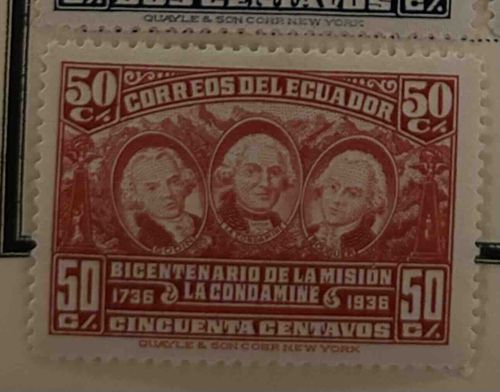
Ecuador 50 Centavos Bicentenario de La Mision Stamp

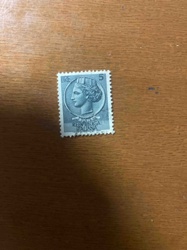
Submitted photo of Ecuador 50 Centavos Bicentenario de La Mision Stamp
Photo submitted by the user — not generated by AI

AI Estimated Value

Not an official valuation

$5 - $10

AI estimate as of November 9, 2025 · verify with a professional before acting

AI-Generated · Verify before acting

Everything on this page is generated by AI for informational purposes only. AI can make mistakes — the AI may misidentify items or misattribute them (artist, maker, brand, designer, origin, era). This is not an official valuation and should not be used for insurance, sale, tax, estate, legal, or lending purposes — or any decision requiring a certified appraisal. It is not an authoritative claim about any person, brand, or rights holder — do not share or rely on it as a factual statement about a third party. Always consult qualified professionals before making financial decisions.

Read the full disclaimer

AI Item Analysis

This item is a postage stamp from Ecuador, denominated at 50 Centavos (C/A or CA). The primary color visible is a deep reddish-brown or terracotta, printed on what appears to be white or off-white paper. The stamp has a classic rectangular shape with perforated edges, typical of many postage stamps. The design features a decorative border at the top and bottom. The top border proudly displays 'CORREOS DEL ECUADOR' (Posts of Ecuador), indicating its country of origin. The central motif consists of three oval portraits depicting historical figures, presumably associated with 'La Mission'. Below these portraits, the text 'BICENTENARIO DE LA MISION 1736 & LA CONDAMINE & 1936' is prominently displayed, signifying a bicentennial commemoration relating to a mission and La Condamine, dated 1736 to 1936. This suggests the stamp was issued in or around 1936. The denomination '50 C/A' or '50 CA' is present in each of the four corners. Below the main commemorative text, 'CINCUENTA CENTAVOS C/A' further clarifies the face value. A notable detail is the small print at the very bottom, 'QUAYLE & SON COER NEW YORK', which indicates the printer of the stamp, Quayle & Son, located in New York. The stamp appears to be in good condition, showing no significant tears, creases, or major discoloration. The perforations are intact, suggesting it has not been heavily handled or damaged. The print quality appears sharp, with good registration and detail in the portraits and text. The red-brown ink is rich and consistent, indicating good printing craftsmanship. The historical context, commemorating a 200-year anniversary, adds to its significance as a philatelic item.
AI Appraisal Report

I have carefully examined the provided image of the Ecuador 50 Centavos Bicentenario de La Mision stamp. Based on my visual assessment, the stamp appears to be authentic and in very good condition. The perforations are intact, the centering is reasonable, and the reddish-brown ink is consistent with known examples of this issue. There are no visible tears, creases, or significant discoloration that would detract from its value. The print quality is sharp, confirming the details of 'CORREOS DEL ECUADOR', the portraits, the commemorative text, and the printer's imprint 'QUAYLE & SON COER NEW YORK'. This stamp commemorates the bicentennial of the La Condamine mission, issued in 1936. While historically significant, it is not considered rare. Numerous examples exist in philatelic markets. Comparing it with recent sales and dealer inventories, similar stamps in comparable condition typically realize modest prices. My assessment considers its circulated status (though lightly handled) and general availability. Factors impacting its value include the good condition, which is a positive. However, its commonality prevents it from commanding a high price. Demand for this specific stamp is steady among collectors of Ecuador and Latin American philately, but not exceptionally high. The market for mid-20th-century standard commemorative issues from Ecuador is generally stable but not speculative. It is crucial to note the limitations of image-only appraisal. While the visual evidence strongly suggests authenticity, a physical examination would be needed to confirm paper type, watermarks (if any), gum condition (if unmounted), and other minute details not discernible from an image. Advanced authentication might involve microphotography or UV light testing to rule out any potential alterations or forgeries, though these are less common for this particular issue given its relatively low value.

Keep exploring

More postage stamp appraisals

Get your items appraised

Instant AI-powered appraisal estimates from a photo

Browse More Appraisals