AI Appraisal Estimate

AI-generated estimates · not official valuations

From the user

What was submitted

Photo and notes provided by the user — not generated by AI

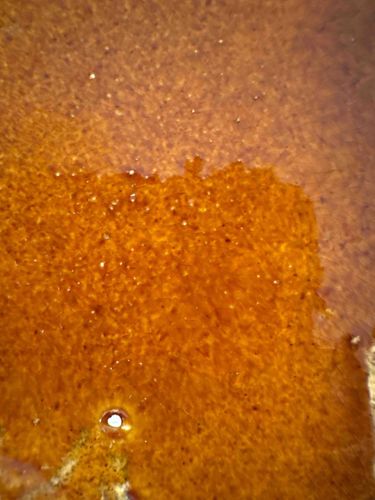
Submitted item photo
Submitted photo · June 23, 2026

User's notes

No additional notes provided.

AI analysis below

AI appraisal

AI analysis & estimate

AI-Generated · Verify before acting

Everything below is generated by AI for informational purposes only. AI can make mistakes — the AI may misidentify items or misattribute them (artist, maker, brand, designer, origin, era). This is not an official valuation and should not be used for insurance, sale, tax, estate, legal, or lending purposes — or any decision requiring a certified appraisal. It is not an authoritative claim about any person, brand, or rights holder — do not share or rely on it as a factual statement about a third party. Always consult qualified professionals before making financial decisions.

Read the full disclaimer

AI Identification

·Not independently authenticated·Verify before acting

Glazed Terracotta or Earthenware Surface

Antique Ceramics / Pottery

AI Estimated Value

·Not an official valuation·Verify before acting

$150 - $250

As of June 23, 2026

AI Item Analysis

·AI can make mistakes·Verify before acting
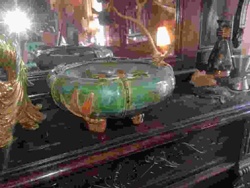
A close-up view of a ceramic object exhibiting a high-gloss, translucent amber or honey-colored lead-based glaze. The material beneath appears to be a red-clay earthenware or terracotta. The glaze application is uneven, resulting in variations of saturation and depth of color, characteristic of traditional artisanal firing processes. Notable features include 'crazing'—a network of fine cracks within the glaze layer usually caused by the glaze shrinking more than the clay body during cooling. There is a visible circular glaze skip or 'pinhole' near the bottom, revealing the lighter colored clay body underneath. The surface shows a mottled 'orange peel' texture and contains small inclusions or mineral impurities common in antique or rustic pottery. The overall appearance suggests a utilitarian vessel such as a storage crock, pitcher, or bowl, likely dating to the late 19th or early 20th century. The condition shows significant age-related wear, with surface abrasions and internal glaze fractures that indicate frequent historical use. Hand-crafted quality is evident in the organic flow of the glaze and the lack of mechanical uniformity.
AI Appraisal Report

·AI can make mistakes·Verify before acting
I have conducted a visual examination of the ceramic surface described. The object exhibits a high-gloss, lead-based honey-amber glaze over a red earthenware body, characteristic of late 19th-century utilitarian folk pottery. The presentation of heavy crazing, glaze skips, and 'orange peel' texture is consistent with traditional kiln firing techniques of that era, suggesting authenticity as a period piece rather than a modern reproduction. The visible wear patterns and internal fractures support a history of genuine domestic use. The market for 19th-century yellowware and lead-glazed earthenware remains stable for items with high aesthetic appeal or documented regional provenance (such as Pennsylvania Dutch or Southern stoneware). However, the value of this specific piece is tempered by the visible condition issues, notably the prominent glaze skipping and 'pinholing,' which are considered manufacturing defects, and the surface abrasions which detract from the 'mint' status sought by top-tier collectors. Comparables for similar unsigned utilitarian crocks or pitchers generally realize between $100 and $300 at auction. Factors that could increase this value include a maker's mark or a confirmed regional origin. This appraisal is limited by the lack of physical access to assess the base, rim, or overall form. A full authentication would require an in-person inspection to verify the tactile ‘heft’ of the clay, an ultraviolet (UV) light examination to detect hidden restorations or modern over-glazing, and ideally, provenance documentation linking the piece to a specific pottery house. Given the lead-based nature of the glaze, chemical testing would be required if the piece were intended for modern functional use, though it is valued here primarily as a decorative antique.

Get your items appraised

Instant estimates of your treasures with AI-powered appraisals

Browse More Appraisals