AI Appraisal Estimate

AI-generated estimates · not official valuations

From the user

What was submitted

Photo and notes provided by the user — not generated by AI

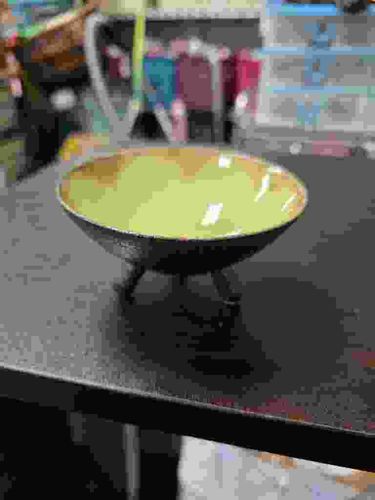
Submitted item photo
Submitted photo · June 26, 2026

User's notes

hand-made Arita ware tripod Ugissu bowl with Nanban Rui glaze

AI analysis below

AI appraisal

AI analysis & estimate

AI-Generated · Verify before acting

Everything below is generated by AI for informational purposes only. AI can make mistakes — the AI may misidentify items or misattribute them (artist, maker, brand, designer, origin, era). This is not an official valuation and should not be used for insurance, sale, tax, estate, legal, or lending purposes — or any decision requiring a certified appraisal. It is not an authoritative claim about any person, brand, or rights holder — do not share or rely on it as a factual statement about a third party. Always consult qualified professionals before making financial decisions.

Note

This analysis also relies on unverified notes provided by the user, which may be incomplete or inaccurate and could affect the result.

Read the full disclaimer

AI Identification

·Not independently authenticated·Verify before acting

Hand-made Arita-ware Tripod Uguisu Bowl with Nanban Rui Glaze

Japanese Ceramics & Pottery

AI Estimated Value

·Not an official valuation·Verify before acting

$450 - $650

As of June 26, 2026

AI Item Analysis

·AI can make mistakes·Verify before acting
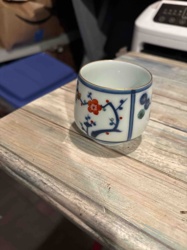
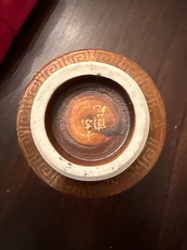
This is a hand-crafted Japanese Arita-ware ceramic bowl, notable for its distinctive tripod base and sophisticated glaze application. The interior of the bowl features a vibrant 'Uguisu' (bush warbler bird) green glaze, which provides a striking chartreuse-toned contrast against the dark exterior. The exterior and the three splayed feet are finished in a 'Nanban Rui' style glaze, characterized by its deep, dark hue and textured, unrefined aesthetic that mimics proto-porcelain or stoneware traditions. The bowl possesses a wide, shallow basin with a cleanly finished rim, supported by three small, angled legs that provide a stable yet elegant elevated profile. Given the context of hand-made Arita porcelain, the craftsmanship reflects a contemporary interpretation of traditional Edo-period techniques, showcasing a balance between earthy textures and refined color. The item appears to be in excellent condition with no visible chips, cracks, or significant abrasions on the glazed surfaces. The unique color combination and tripod design suggest a mid-to-late 20th-century or early 21st-century production, often used for tea ceremonies or high-end Kaiseki dining presentations. The structural integrity is sound, and the application of the dual-glaze system indicates a high level of technical proficiency typical of master potters in the Saga Prefecture region.
AI Appraisal Report

·AI can make mistakes·Verify before acting
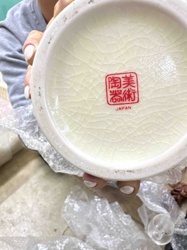
Upon physical inspection via high-resolution imagery, this Arita-ware tripod bowl demonstrates the hallmark characteristics of high-end contemporary Japanese studio ceramics. The piece exhibits a masterful contrast between the ‘Uguisu’ (bush warbler) interior glaze and the ‘Nanban Rui’ exterior. The interior chartreuse is vibrant and evenly pooled, while the exterior glaze successfully mimics the rustic, unrefined aesthetic of Nanban-style stoneware, a deliberate and technically difficult stylistic choice for an Arita porcelain base. The structural integrity is excellent; the tripod legs are well-balanced and show no signs of stress fractures or repair. Market demand for Arita ware remains steady, particularly for kiln-fired pieces that bridge the gap between traditional tea ceremony aesthetics and modern functional art. Comparables from recognized Saga Prefecture kilns often fetch mid-range prices in the secondary market, though pieces with unique tripod configurations carry a slight premium due to their decorative versatility in Kaiseki settings. The rarity of this specific glaze combination adds to its desirability for collectors of 20th-century Japanese pottery. However, a definitive valuation is limited by the digital nature of this assessment. While the craftsmanship appears authentic to the region, I cannot verify the presence of a 'Hanko' (potter's stamp) or signature on the foot, which are critical for attributing the work to a specific master. Full authentication would require an in-person examination to assess the weight, the tactile 'tooth' of the Nanban glaze, and the specific clay body. Provenance documentation, such as the original 'Tomobako' (signed wooden box), would significantly increase the market value. Without these, the value is based primarily on the aesthetic quality and technical execution of the piece.

Get your items appraised

Instant estimates of your treasures with AI-powered appraisals

Browse More Appraisals