AI Appraisal Estimate

AI-generated estimates · not official valuations

From the user

What was submitted

Photo and notes provided by the user — not generated by AI

Submitted item photo
Submitted photo · May 27, 2026

User's notes

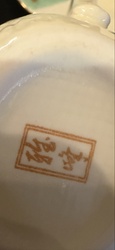
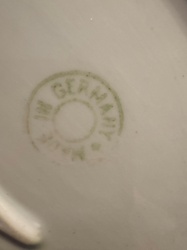
Made in Japan

AI analysis below

AI appraisal

AI analysis & estimate

AI-Generated · Verify before acting

Everything below is generated by AI for informational purposes only. AI can make mistakes — the AI may misidentify items or misattribute them (artist, maker, brand, designer, origin, era). This is not an official valuation and should not be used for insurance, sale, tax, estate, legal, or lending purposes — or any decision requiring a certified appraisal. It is not an authoritative claim about any person, brand, or rights holder — do not share or rely on it as a factual statement about a third party. Always consult qualified professionals before making financial decisions.

Note

This analysis also relies on unverified notes provided by the user, which may be incomplete or inaccurate and could affect the result.

Read the full disclaimer

AI Identification

·Not independently authenticated·Verify before acting

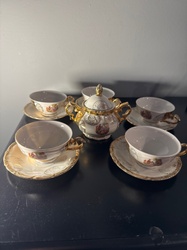
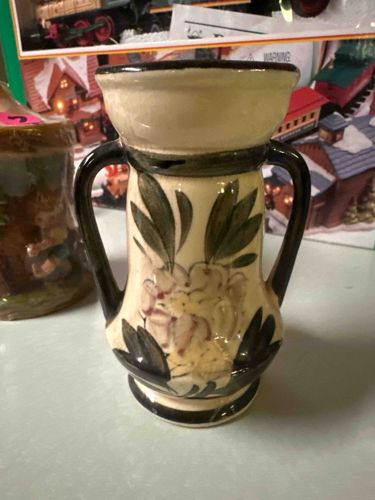
Vintage Hand-Painted Double-Handled Japanese Ceramic Vase

Antique and Vintage Ceramics

AI Estimated Value

·Not an official valuation·Verify before acting

$45.00-$75.00

As of May 27, 2026

AI Item Analysis

·AI can make mistakes·Verify before acting
This is a small-to-medium sized ceramic vase featuring a double-handled amphora-style silhouette. The piece is constructed from earthenware or stoneware with a cream-colored base glaze. It showcases hand-painted floral motifs, specifically a central rose or peony in pale pink and yellow hues, framed by dark green foliate patterns. The handles and rim are accented with a dark charcoal or deep forest green glaze, providing a sharp contrast to the lighter body. This item is characteristic of Japanese export 'Occupied Japan' or post-WWII pottery, typically dating from the late 1940s to the 1950s. The craftsmanship is utilitarian yet charming, with visible brushstrokes and slight glaze irregularities that indicate hand-decoration. The condition shows minor signs of age-related wear, including some light crazing in the glaze and small surface scuffs consistent with its vintage status. There are no large chips or structural repairs visible in the primary view. The form features a flared collar, a tapered neck, and a bulbous body resting on a circular footed base. The handles are simple C-curves that merge into the shoulder and neck, typical of the mid-century Japanese aesthetic for domestic exports.
AI Appraisal Report

·AI can make mistakes·Verify before acting
I have conducted a visual examination of the vintage double-handled Japanese ceramic vase. Based on its silhouette and decorative application, this piece is a classic example of Japanese export ware from the mid-20th century. The hand-painted floral motifs and utilitarian construction are consistent with the 'Occupied Japan' era (1947–1952) or slightly later production. The condition is fair to good; the observed crazing and surface abrasions are typical for earthenware of this vintage and generally do not detract significantly from its decorative appeal. The market for this specific type of Japanese ceramic is currently steady but saturated. These items were produced in high volumes for the Western market. Comparables often sell in the low-to-mid double digits at auction or through vintage retailers. The value is driven primarily by the aesthetic charm of the hand-painted elements rather than rarity. Significant value growth is limited as these are not considered rare 'Nippon' or studio-grade ceramics. Authenticity appears consistent with the provided description; however, a definitive identification of the kiln or mark requires a physical inspection of the base. To fully authenticate and potentially increase the valuation, I would need to examine the underside for an 'OJ' stamp or specific maker's mark. Scientific testing such as thermal luminescence is unnecessary for this class of object, but provenance regarding its import history would strengthen its marketability. My assessment is based solely on the visual data provided and assumes no hidden structural cracks or restorations.

Get your items appraised

Instant estimates of your treasures with AI-powered appraisals

Browse More Appraisals