AI identification & appraisal estimate

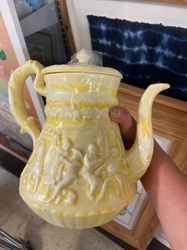
Japanese Satsuma-style Porcelain Teacup with Maker's Mark

This name is the AI's identification of the item — it may be incorrect.

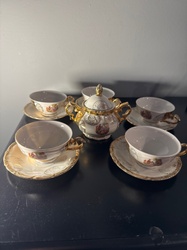
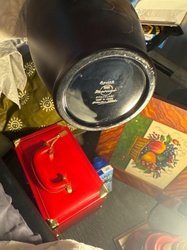
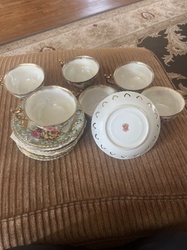
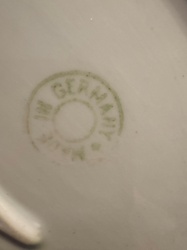
Submitted photo of Japanese Satsuma-style Porcelain Teacup with Maker's Mark
Photo submitted by the user — not generated by AI

AI Estimated Value

Not an official valuation

$45 - $85

AI estimate as of April 26, 2026 · verify with a professional before acting

AI-Generated · Verify before acting

Everything on this page is generated by AI for informational purposes only. AI can make mistakes — the AI may misidentify items or misattribute them (artist, maker, brand, designer, origin, era). This is not an official valuation and should not be used for insurance, sale, tax, estate, legal, or lending purposes — or any decision requiring a certified appraisal. It is not an authoritative claim about any person, brand, or rights holder — do not share or rely on it as a factual statement about a third party. Always consult qualified professionals before making financial decisions.

Read the full disclaimer

AI Item Analysis

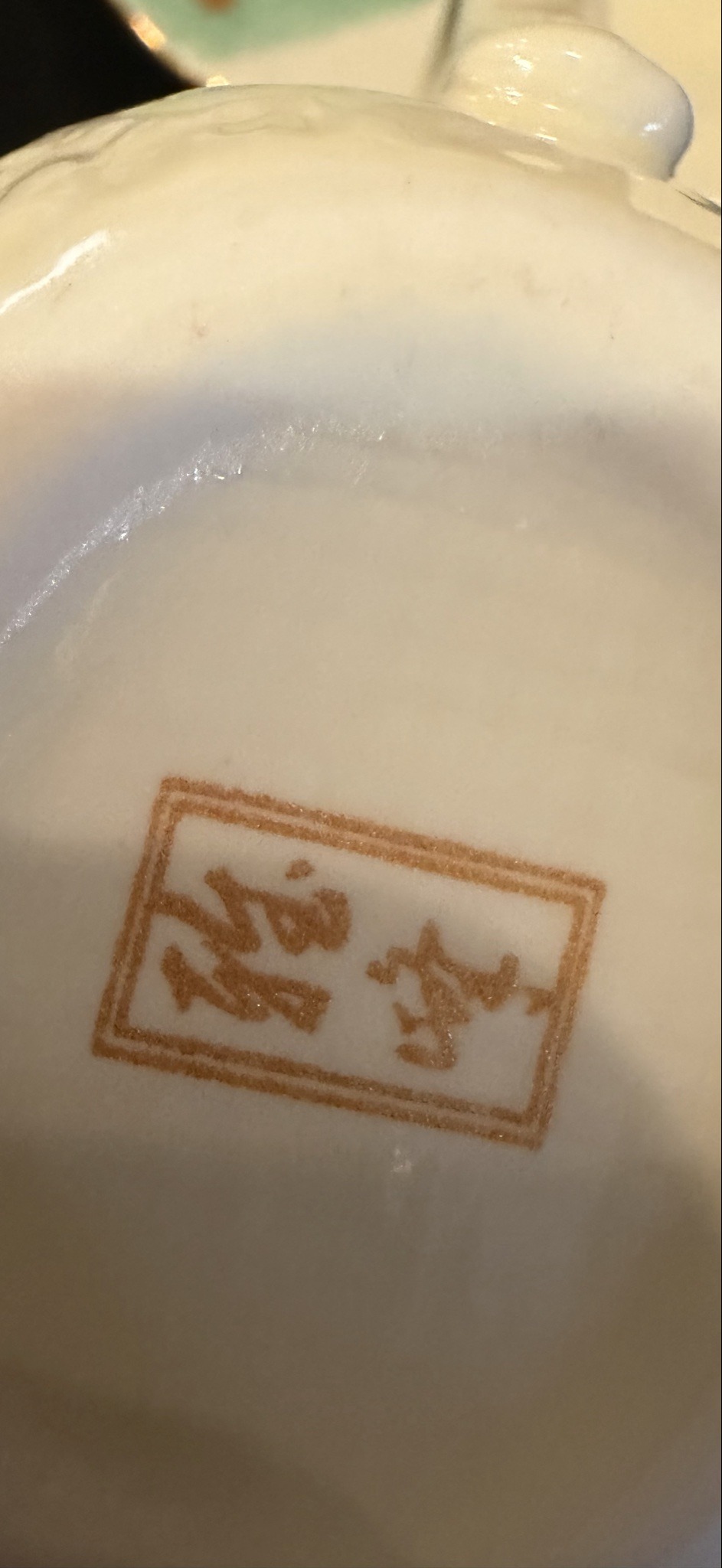
This is a close-up photograph of the base of a ceramic vessel, likely a teacup or small bowl, featuring a distinctive rectangular maker's mark. The body is composed of a fine, creamy white porcelain or high-quality earthenware, characteristic of Japanese export wares. The surface exhibits a subtle 'orange peel' texture under a clear, glossy glaze. The underside is dominated by a rectangular seal rendered in a reddish-brown or iron-red pigment, composed of two vertical lines bordering stylized kanji characters, likely reading 'Satsuma' or the name of a specific kiln/artist. The calligraphy is executed in a flowing, semi-cursive style typical of 20th-century pottery marks. In terms of condition, the piece appears well-preserved with no visible cracks or chips in the frame. There is a slight patina of dust and very minor surface abrasions consistent with age and occasional use. The bottom rim (foot ring) shows a slight relief, suggesting it was hand-finished. Based on the style of the mark and the body's translucent quality, the item likely dates to the early-to-mid 20th century, possibly the Showa era. The craftsmanship is refined, indicated by the crisp edges of the stamp and the even distribution of the glaze, pointing toward a piece intended for the decorative or gift market.
AI Appraisal Report

Based on my visual examination of the provided photograph, I have assessed this Japanese ceramic vessel, which exhibits the hallmarks of Satsuma-style earthenware from the early-to-mid 20th century. The creamy, crazed body and the iron-red rectangular seal (likely 'Satsuma' or a related workshop mark) are characteristic of the Showa-era export market. The 'orange peel' glaze and the uniform application of the mark suggest a production-level piece rather than a unique 19th-century masterpiece by known masters like Kinkozan or Yabu Meizan. The condition appears excellent with minor shelf wear on the foot ring, which is consistent with age. This style of Japanese porcelain is currently abundant on the secondary market; consequently, values are stable but modest due to the high volume of similar giftware produced for Western markets during this period. Comparables frequently sell at auction or in vintage shops within the double-digit range. Limitations: This appraisal is based solely on digital imagery. A physical inspection is required to confirm the presence of any hidden restoration, hairline cracks, or the exact mineral composition of the pigment. To definitively upgrade this valuation, provenance documentation tracing the piece to a specific kiln or exhibition history would be necessary. Scientific testing (such as thermoluminescence) is generally not cost-effective for pieces of this expected era but would be required to confirm an earlier Meiji dating if suspected.

Keep exploring

More antique and vintage ceramics appraisals

Get your items appraised

Instant AI-powered appraisal estimates from a photo

Browse More Appraisals