AI Appraisal Estimate

AI-generated estimates · not official valuations

From the user

What was submitted

Photo and notes provided by the user — not generated by AI

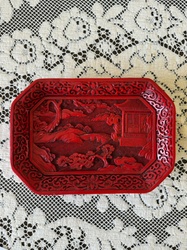
Submitted item photo
Submitted photo · June 19, 2026

User's notes

No additional notes provided.

AI analysis below

AI appraisal

AI analysis & estimate

AI-Generated · Verify before acting

Everything below is generated by AI for informational purposes only. AI can make mistakes — the AI may misidentify items or misattribute them (artist, maker, brand, designer, origin, era). This is not an official valuation and should not be used for insurance, sale, tax, estate, legal, or lending purposes — or any decision requiring a certified appraisal. It is not an authoritative claim about any person, brand, or rights holder — do not share or rely on it as a factual statement about a third party. Always consult qualified professionals before making financial decisions.

Read the full disclaimer

AI Identification

·Not independently authenticated·Verify before acting

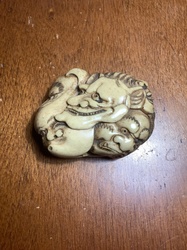
Chinese Blue and White Porcelain Baluster-Form Vase

Asian Art and Antiques

AI Estimated Value

·Not an official valuation·Verify before acting

$150 - $250

As of June 19, 2026

AI Item Analysis

·AI can make mistakes·Verify before acting
This is a medium-sized ceramic vase featuring a classic baluster silhouette with a flared rim, a constricted neck, and a swelling body that tapers toward the base. It is crafted from white porcelain and decorated with hand-painted underglaze cobalt blue motifs. The neck is adorned with an upright 'plantain leaf' border above a ruyi-head collar, followed by a secondary band of foliate clouds on the shoulder. The main body displays floral roundels, starburst motifs, and what appears to be a cartouche or panel containing a bird and floral scene. The rim is finished with a geometric diaper pattern border. The craftsmanship indicates an attempt to emulate traditional Qing dynasty Export wares, likely dating from the mid-20th century to the late 20th century. The glaze appears bright and reflective with some minor surface pitting and visible manufacturing imperfections. There is no immediate evidence of major cracks or chips, though there is light wear consistent with age and shelf use. The tonal variations in the blue glaze suggest a hand-applied technique rather than modern mechanical printing, though the execution lacks the fine precision found in imperial or highly valuable antique pieces. The overall condition is good, presenting a classic aesthetic for decorative purposes.
AI Appraisal Report

·AI can make mistakes·Verify before acting
Upon visual examination of the provided images, this item appears to be a Chinese blue and white porcelain vase in a baluster form, likely produced in the mid-to-late 20th century. My assessment relies on the brightness of the glaze and the stylistic execution of the underglaze blue decoration, which, while hand-painted, lacks the tonal depth and precise 'heaping and piling' characteristic of earlier Qing Dynasty imperial wares or high-quality 19th-century export pieces. The decoration—featuring plantain leaves, ruyi heads, and reserved panels—draws heavily from the Kangxi period aesthetic but is executed with broader brushstrokes typical of later vintage reproductions. The condition appears good, with no visible hairline cracks or significant chips, though the described surface pitting and manufacturing imperfections point towards mass-market production rather than a kiln of high distinction. The market for mid-century Chinese export porcelain is currently soft compared to antique imperial wares; these pieces function primarily as decorative objects rather than serious investment collectibles. Consequently, value is driven by decorative appeal rather than historical rarity. It is crucial to note that definitive authentication is limited by digital inspection. To confirm a specific attribution or rule out a Republican period (1912-1949) origin—which would raise the value slightly—I would need to physically handle the vase to assess its weight, examine the foot rim for paste quality and aging, and inspect any reign marks on the base. Without provenance documentation linking it to a specific earlier collection, it is appraised strictly as a vintage decorative piece.

Get your items appraised

Instant estimates of your treasures with AI-powered appraisals

Browse More Appraisals