AI identification & appraisal estimate

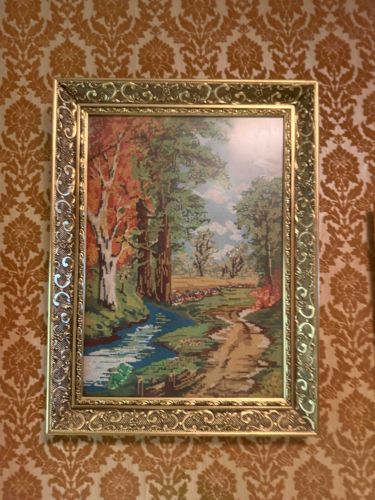
Framed Needlepoint Landscape Tapestry

This name is the AI's identification of the item — it may be incorrect.

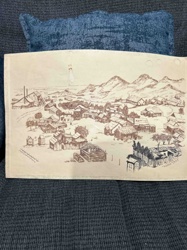
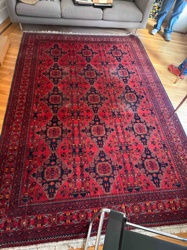
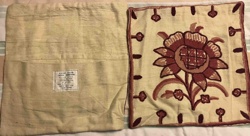
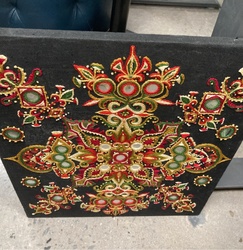
Submitted photo of Framed Needlepoint Landscape Tapestry
Photo submitted by the user — not generated by AI

User's notes

Tapestry

These notes were written by the person who submitted this item. Appraiser.AI has not verified them, and the AI's identification and estimate may rely on them.

AI Estimated Value

Not an official valuation

$150 - $250

AI estimate as of March 15, 2026 · verify with a professional before acting

AI-Generated · Verify before acting

Everything on this page is generated by AI for informational purposes only. AI can make mistakes — the AI may misidentify items or misattribute them (artist, maker, brand, designer, origin, era). This is not an official valuation and should not be used for insurance, sale, tax, estate, legal, or lending purposes — or any decision requiring a certified appraisal. It is not an authoritative claim about any person, brand, or rights holder — do not share or rely on it as a factual statement about a third party. Always consult qualified professionals before making financial decisions.

This analysis also relies on unverified notes provided by the user, which may be incomplete or inaccurate and could affect the result.

Read the full disclaimer

AI Item Analysis

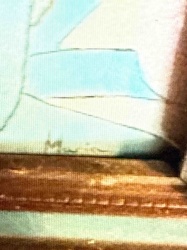
This item is a detailed wool needlepoint tapestry featuring a serene woodland landscape, housed in an ornate gilded frame. The composition depicts a winding dirt path adjacent to a flowing blue and white stream, surrounded by lush greenery and trees with vibrant autumnal red-orange foliage on the left. The sky is rendered in soft blues and whites, suggesting a partly cloudy day. The tapestry exhibits a fine gauge stitch, indicating skilled handiwork likely dating from the mid-20th century (circa 1950s-1970s). The framed piece is rectangular with a vertical orientation. The frame is a prominent feature, constructed from wood or composite material with a heavy gold-toned finish, decorated with intricate Rococo-style scrollwork and floral motifs in relief. Regarding condition, the textile colors appear well-preserved with minimal fading, although there is a slight ripple in the tension within the frame, which is common for aged needlework. No significant stains, moth damage, or tears are visible from the front. The frame shows minor surface dust and light patina consistent with age but remains structurally sound. The craftsmanship reflects a high-quality hobbyist or commercial kit execution popular in the mid-century period, designed to mimic traditional European jacquard tapestries in a more accessible, domestic format.
AI Appraisal Report

Upon my examination of this framed needlepoint landscape, I find it to be a well-executed example of mid-20th-century domestic textile art. The piece utilizes a fine-gauge wool stitch to render a classic pastoral scene, likely produced from a high-quality commercial kit popular between 1950 and 1970. The preservation of the autumnal palette is commendable, showing minimal UV-induced fading, which often plagues textiles of this era. The ornate Rococo-style gilded frame is in good condition and significantly enhances the decorative appeal, often carrying as much market weight as the needlework itself. The current market for mid-century needlepoint is driven primarily by interior design trends rather than fine art collecting. Values are dictated by the 'decorative yield'—the size, subject matter, and frame quality—rather than the anonymity of the maker. While the craftsmanship is superior to standard enthusiast work, such pieces are relatively common in the secondary market (estate sales and antique malls), which limits rarity and appreciation potential. Limitations of this report include the inability to inspect the reverse of the textile for acid damage from the backing board or to check for hidden moth larvae within the fibers. A physical inspection would be required to determine if the frame is solid wood or a composite molding and to verify the tensioning method used. Full authentication of the wool's origin and dye composition would require microscopic fiber analysis and provenance documentation, such as original purchase receipts or maker identification, which were not provided for this assessment.

Keep exploring

More textile art / home decor appraisals

Get your items appraised

Instant AI-powered appraisal estimates from a photo

Browse More Appraisals