AI Appraisal Estimate

AI-generated estimates · not official valuations

From the user

What was submitted

Photo and notes provided by the user — not generated by AI

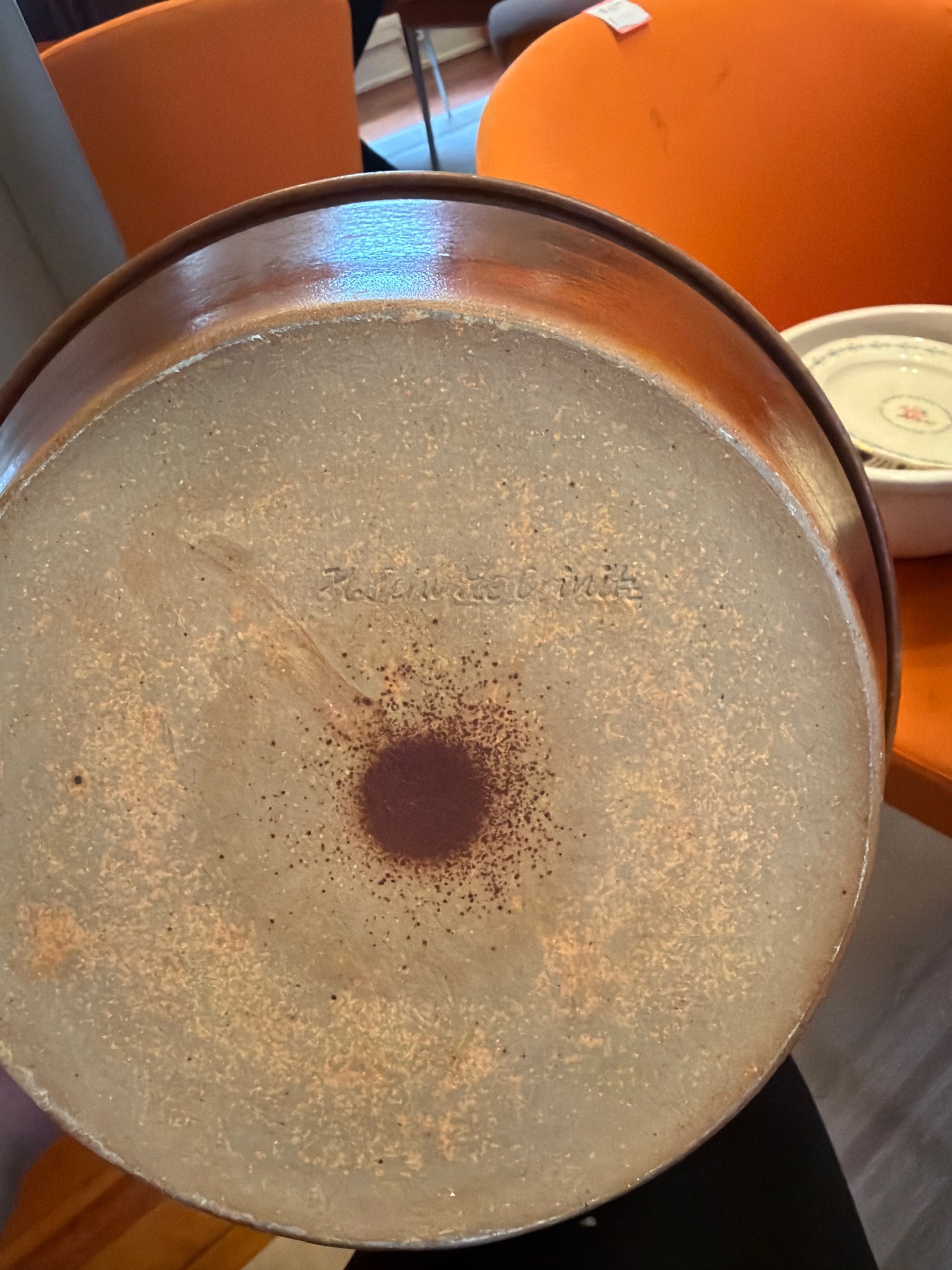
Submitted item photo
Submitted photo · June 23, 2026

User's notes

Produced in Germany

AI analysis below

AI appraisal

AI analysis & estimate

AI-Generated · Verify before acting

Everything below is generated by AI for informational purposes only. AI can make mistakes — the AI may misidentify items or misattribute them (artist, maker, brand, designer, origin, era). This is not an official valuation and should not be used for insurance, sale, tax, estate, legal, or lending purposes — or any decision requiring a certified appraisal. It is not an authoritative claim about any person, brand, or rights holder — do not share or rely on it as a factual statement about a third party. Always consult qualified professionals before making financial decisions.

Note

This analysis also relies on unverified notes provided by the user, which may be incomplete or inaccurate and could affect the result.

Read the full disclaimer

AI Identification

·Not independently authenticated·Verify before acting

Vintage Rothenburg Handcrafted Ceramic Casserole Dish

Vintage German Pottery

AI Estimated Value

·Not an official valuation·Verify before acting

$40 - $70

As of June 23, 2026

AI Item Analysis

·AI can make mistakes·Verify before acting
This is a handcrafted ceramic casserole dish or deep baker produced in Germany, specifically associated with the Rothenburg region as indicated by the incised script mark on the base. The vessel features a cylindrical form with a flared rim, exhibiting a rich salt-glaze or traditional dark brown slip glaze on the exterior sides. The base is left unglazed, showing a coarse, sandy buff-colored earthenware or stoneware body typical of mid-20th-century German utilitarian pottery. A central dark iron-saturated spot is visible on the bottom, likely a kiln mark or a result of the firing process. The piece shows signs of authentic age and use, including minor abrasions, surface variations in the clay, and some darkening of the ceramic body. The incised signature 'Rothenburg' is rendered in a cursive script, denoting its origin in a well-known center for traditional German pottery. The craftsmanship is robust and functional, characteristic of the 'Art Pottery' or folk-art movement that flourished in West Germany between the 1950s and 1970s. Its weight and texture suggest a high-fired durable ceramic designed for kitchen use.

AI Appraisal Report

·AI can make mistakes·Verify before acting
Based on the provided images and details, I have assessed this handcrafted ceramic casserole dish or deep baker. The piece presents as a mid-20th-century functional stoneware or earthenware item, marked 'Rothenburg' in a cursive script, indicating its origin in Germany. The vessel is characterized by a dark brown slip glaze or salt glaze typical of traditional German utilitarian pottery. Visually, the piece displays expected wear and surface abrasions consistent with regular functional use over several decades. The coarse, unglazed foot ring reveals a buff-colored clay body, adding to its rustic, folk-art appeal. The craftsmanship is solid, typical of regional pottery from the 1960s to 1970s. The market for mid-century German folk pottery is generally modest, with a focus on functional aesthetics rather than high art value. Comparable pieces of similar form, glaze, and regional markings typical of West German utilitarian wares frequently trade in the $40 to $70 range, appealing primarily to collectors of European folk ceramics and rustic kitchenware. Rarity is low to moderate, as such items were produced in relatively large quantities for domestic use. The central firing mark and minor abrasions do not significantly detract from its value but rather affirm its age and method of manufacture. Please note that an accurate assessment of the clay body's density (stoneware vs. earthenware) and a final confirmation of its structural integrity (i.e., ruling out hairline cracks invisible in the photographs) would require an in-person physical examination and tapping. Without this hands-on inspection, the assessment relies entirely on the visual evidence provided.

Get your items appraised

Instant estimates of your treasures with AI-powered appraisals

Browse More Appraisals