AI Appraisal Estimate

AI-generated estimates · not official valuations

From the user

What was submitted

Photo and notes provided by the user — not generated by AI

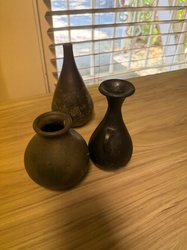
Submitted item photo
Submitted photo · June 20, 2026

User's notes

Made in China

AI analysis below

AI appraisal

AI analysis & estimate

AI-Generated · Verify before acting

Everything below is generated by AI for informational purposes only. AI can make mistakes — the AI may misidentify items or misattribute them (artist, maker, brand, designer, origin, era). This is not an official valuation and should not be used for insurance, sale, tax, estate, legal, or lending purposes — or any decision requiring a certified appraisal. It is not an authoritative claim about any person, brand, or rights holder — do not share or rely on it as a factual statement about a third party. Always consult qualified professionals before making financial decisions.

Note

This analysis also relies on unverified notes provided by the user, which may be incomplete or inaccurate and could affect the result.

Read the full disclaimer

AI Identification

·Not independently authenticated·Verify before acting

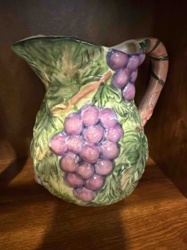
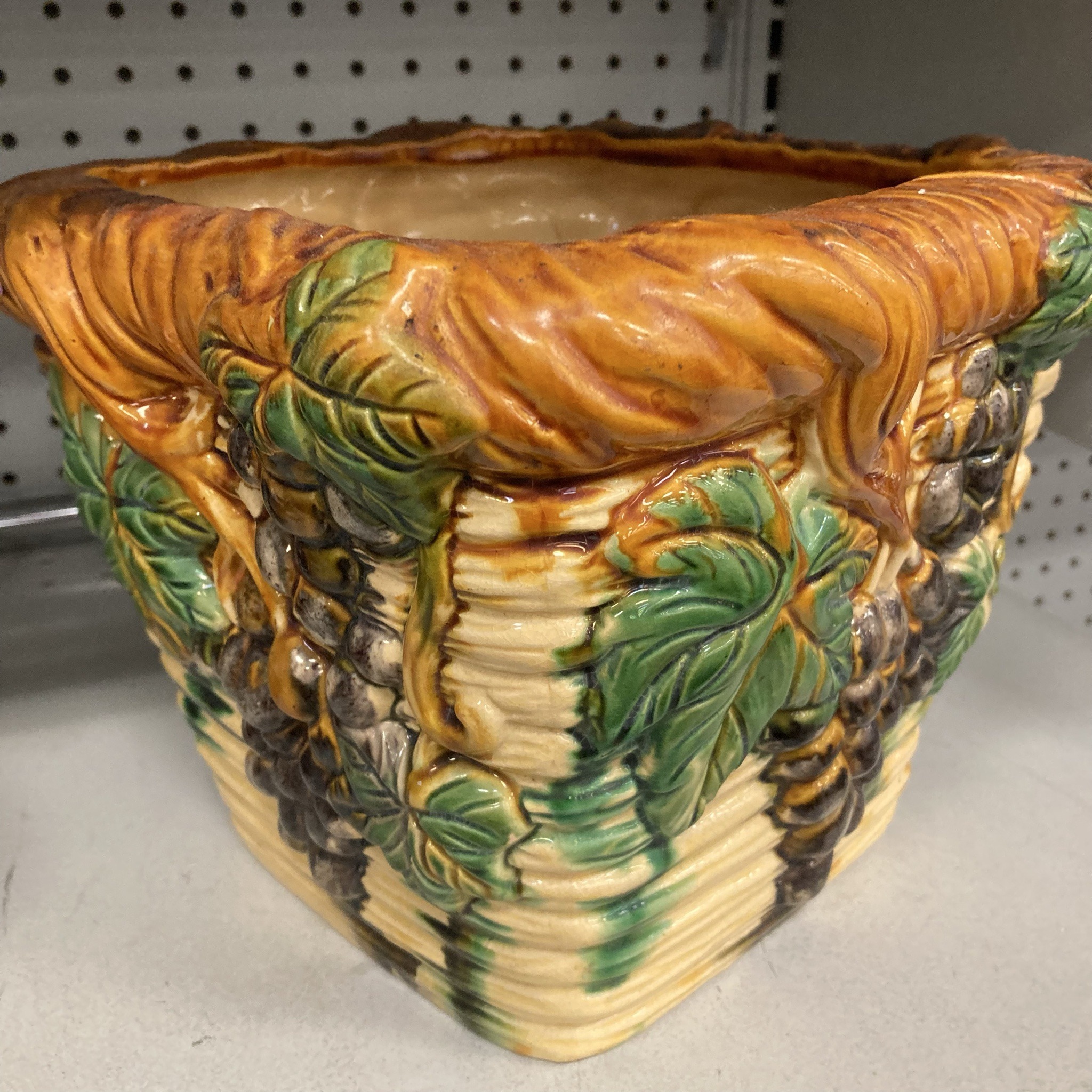
Majolica-Style Relief Glazed Ceramic Grapevine Planter

Decorative Arts - Ceramics and Pottery

AI Estimated Value

·Not an official valuation·Verify before acting

$45-75

As of June 20, 2026

AI Item Analysis

·AI can make mistakes·Verify before acting
This item is a square-shaped decorative ceramic planter featuring heavy relief molding in a traditional Majolica-inspired style. The exterior is designed to resemble a woven wicker or bamboo basket base, finished in a creamy light yellow glaze. Draped over the basketry are three-dimensional clusters of deep purple or black grapes, accompanied by vibrant green grape leaves with visible vein detailing. The upper rim is finished with a thick, sculpted border resembling twisted rope or gathered fabric in a warm ochre or amber-colored translucent glaze. The piece is constructed from a heavy earthenware ceramic and likely measures approximately 8 to 10 inches in diameter. The craftsmanship displays a modern interpretation of nineteenth-century Victorian styles, characterized by high-gloss glazes that pool in the crevices of the relief, enhancing the textural depth. While no specific maker's mark is visible on the exterior, the item is identified as being made in China. The condition appears fair to good with some signs of age-related wear, including minor scuffing on the raised relief elements and typical shelf wear on the base. The interior shows a uniform tan glaze, suggesting it was intended for functional use or as a decorative cachepot. The style is indicative of late twentieth-century mass-produced decorative home goods.
AI Appraisal Report

·AI can make mistakes·Verify before acting
Upon my examination of this Majolica-style ceramic planter, I have identified it as a contemporary decorative item produced in China, likely dating from the late 20th to early 21st century. The piece successfully captures the aesthetic of Victorian Majolica through its use of high-relief molding and translucent, pooling glazes; however, the uniform application and modern earthen clay body distinguish it from 19th-century originals produced by firms like Minton or George Jones. The condition is rated as good, though minor scuffing on the relief elements and typical shelf wear on the base suggest it was previously utilized in a domestic setting. In the current secondary market for decorative home goods, mass-produced Chinese ceramics inspired by historical styles remain widely available. Comparables for similar large-scale cachepots consistently sell in the $40 to $80 range at estate sales and online marketplaces. The lack of a prestigious maker's mark and its status as a reproduction limit its rarity and investment potential. Value is primarily derived from its decorative appeal and functional utility rather than historical significance. Please note that this appraisal is based on visual data provided. A full authentication would require an in-person inspection to verify the glaze chemistry and internal firing marks, as well as a review of any original purchase provenance. Without physical handling, it is impossible to definitively rule out minor structural hairlines that may be concealed under the glaze.

Get your items appraised

Instant estimates of your treasures with AI-powered appraisals

Browse More Appraisals