AI Appraisal Estimate

AI-generated estimates · not official valuations

From the user

What was submitted

Photo and notes provided by the user — not generated by AI

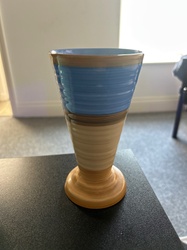
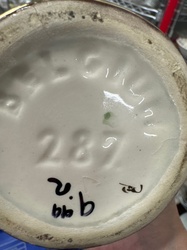
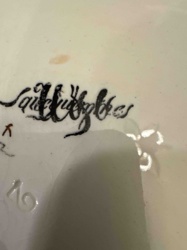
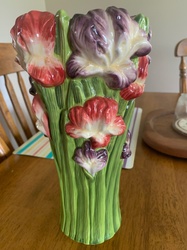
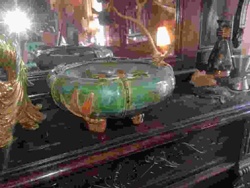
Submitted item photo
Submitted photo · June 14, 2026

User's notes

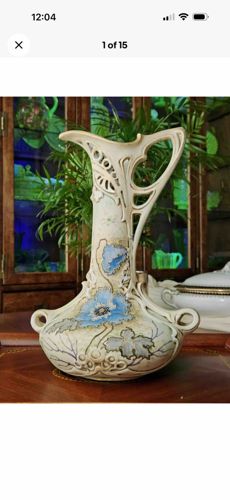
Ernst Wahliss art nouveau vase

AI analysis below

AI appraisal

AI analysis & estimate

AI-Generated · Verify before acting

Everything below is generated by AI for informational purposes only. AI can make mistakes — the AI may misidentify items or misattribute them (artist, maker, brand, designer, origin, era). This is not an official valuation and should not be used for insurance, sale, tax, estate, legal, or lending purposes — or any decision requiring a certified appraisal. It is not an authoritative claim about any person, brand, or rights holder — do not share or rely on it as a factual statement about a third party. Always consult qualified professionals before making financial decisions.

Note

This analysis also relies on unverified notes provided by the user, which may be incomplete or inaccurate and could affect the result.

Read the full disclaimer

AI Identification

·Not independently authenticated·Verify before acting

Ernst Wahliss Art Nouveau Turn-Teplitz Amphora Style Pitcher Vase

Antique Art Pottery / Ceramics

AI Estimated Value

·Not an official valuation·Verify before acting

$450 - $650

As of June 14, 2026

AI Item Analysis

·AI can make mistakes·Verify before acting
This is a fine ceramic pitcher-style vase produced by the Austrian maker Ernst Wahliss during the Art Nouveau period, approximately circa 1897-1905. The vessel features a wide, bulbous body that tapers into a slender cylindrical neck, terminating in a flared, asymmetrical spout. A defining characteristic of this piece is the intricate, open-work reticulated handle and rim, which displays the organic, flowing 'whiplash' lines indicative of the Jugendstil movement. The construction is of high-quality earthenware or 'Turn-Teplitz' porcelain, finished in a matte cream or 'ivory' glaze. The decorative program consists of hand-painted and molded floral motifs, specifically blue poppies with muted green foliage, accented by soft gold or bronze-toned highlights. The base of the neck and the shoulder of the vase are integrated with three-dimensional molded leaf forms that merge into the body. Condition appears fair to good for its age, though there is visible surface pitting and some darkening of the glaze (patina) which may indicate old professional repairs or common firing flaws inherent to Wahliss production. The craftsmanship is highly refined, with delicate pierced sections that were difficult to fire without warping, suggesting a high level of technical skill from the Turn-Vienna manufactory.
AI Appraisal Report

·AI can make mistakes·Verify before acting
I have examined the Ernst Wahliss Art Nouveau pitcher-style vase, dating approximately from the turn of the 20th century. This piece is a quintessential example of the Turn-Teplitz aesthetic, showcasing the intricate reticulation and organic foliate motifs characteristic of the Jugendstil period. The application of the blue poppy motif against the ivory ground is executed with the high technical proficiency expected from the Wahliss workshop. My visual inspection indicates several condition issues that impact value: the surface pitting and noticeable darkening of the glaze suggest significant age-related wear or, more critically, potential historic professional restoration to the delicate open-work sections which were prone to breakage. While the mold-work remains sharp and the gilding retains moderate luster, these surface inconsistencies prevent the item from reaching the top-tier 'mint' market bracket. Currently, the market for Austrian Art Nouveau ceramics remains stable but selective; collectors prioritize condition and the presence of clear factory marks (such as the 'EW Turn Wien' crown mark). While this form is desirable due to its complex handle and spout geometry, similar pieces have recently hammered at auction within the $400 to $700 range depending on the extent of repairs. Authenticity appears consistent with Wahliss production based on the glaze transition and stylized handle, yet a photograph cannot confirm the absence of cleverly hidden structural cracks. A full authentication would require an in-person UV light (blacklight) examination to detect overpainting or composite fills, and a tactile review of the base to verify impressed model numbers and factory stamps. Without physical inspection, this appraisal assumes structural integrity beneath the visible patina.

Get your items appraised

Instant estimates of your treasures with AI-powered appraisals

Browse More Appraisals