AI Appraisal Estimate

AI-generated estimates · not official valuations

From the user

What was submitted

Photo and notes provided by the user — not generated by AI

Submitted item photo
Submitted photo · June 28, 2026

User's notes

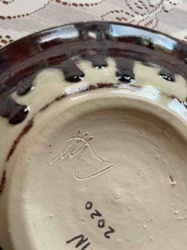
Signed Anne Bray

AI analysis below

AI appraisal

AI analysis & estimate

AI-Generated · Verify before acting

Everything below is generated by AI for informational purposes only. AI can make mistakes — the AI may misidentify items or misattribute them (artist, maker, brand, designer, origin, era). This is not an official valuation and should not be used for insurance, sale, tax, estate, legal, or lending purposes — or any decision requiring a certified appraisal. It is not an authoritative claim about any person, brand, or rights holder — do not share or rely on it as a factual statement about a third party. Always consult qualified professionals before making financial decisions.

Note

This analysis also relies on unverified notes provided by the user, which may be incomplete or inaccurate and could affect the result.

Read the full disclaimer

AI Identification

·Not independently authenticated·Verify before acting

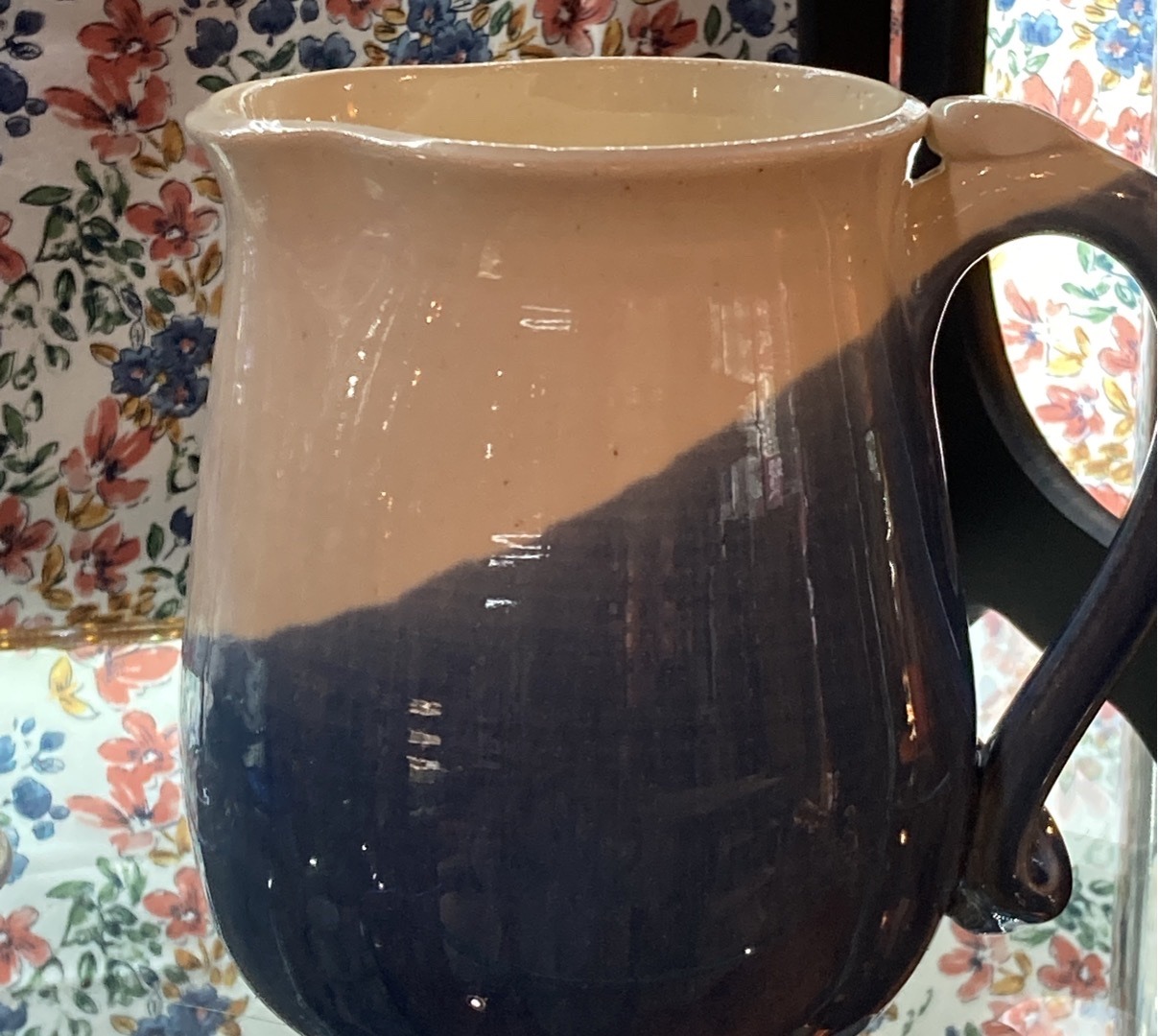
Anne Bray Studio Pottery Two-Tone Glazed Pitcher

Studio Pottery and Art Ceramics

AI Estimated Value

·Not an official valuation·Verify before acting

$125 - $225

As of June 28, 2026

AI Item Analysis

·AI can make mistakes·Verify before acting
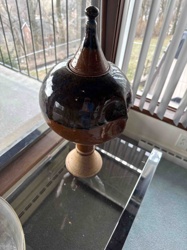
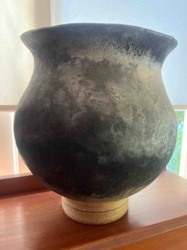
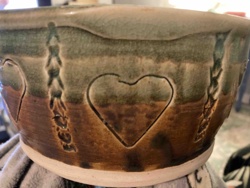
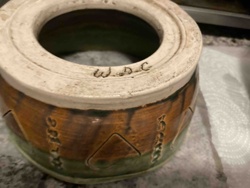
This is a wheel-thrown ceramic pitcher featuring a distinctive diagonal two-tone salt or lead-glaze finish, attributed to the artist Anne Bray as per the provided signature context. The vessel is constructed of a light-colored stoneware or earthenware body, characterized by a bulbous lower section that tapers slightly toward a flared rim and a broad pouring spout. The glaze application is split diagonally across the body: the upper portion is finished in a creamy off-white or light beige glossy glaze, while the lower portion and the handle are immersed in a deep cobalt blue or manganese-rich dark glaze with subtle vertical striations. A notable feature is the pulled handle, which is securely attached at the rim and mid-body, terminating in a decorative thumb rest and a graceful scroll flourish at the bottom attachment point. The surface displays minor firing imperfections and slight glaze crawling typical of handmade studio pottery. The condition appears excellent with no visible chips, cracks, or significant crazing, though some light shelf wear may be present on the base. The style is indicative of high-quality mid-to-late 20th-century artisanal pottery, exhibiting skilled craftsmanship in both the uniform thickness of the walls and the intentional, clean division of the glaze colors.
AI Appraisal Report

·AI can make mistakes·Verify before acting
I have virtually examined the Anne Bray studio pottery pitcher, characterized by its distinctive diagonal two-tone salt-glaze finish and pulled handle. The craftsmanship exhibits high-level technical skill, particularly in the fluid integration of the handle's scroll flourish and the controlled application of the cobalt and cream glazes. Based on the visual evidence, the condition appears excellent, with no apparent structural compromises. My valuation is based on current market trends for mid-to-late 20th-century regional studio pottery. While Anne Bray is a recognized name within specific regional artisanal circles, her work currently lacks the global secondary market 'blue-chip' status of potters like Lucie Rie or Hans Coper, which limits the price point to the collector-craftsman tier. Comparables for signed, functional stoneware of this scale typically realize between $100 and $250 at auction and specialty boutiques. The diagonal glaze division adds a modern aesthetic appeal that increases desirability for contemporary decor. However, there are limitations to this assessment. From digital images, I cannot verify the weight, the presence of internal structural cracks (pinking), or the depth of the signature on the foot. Definitive authentication requires physical inspection to confirm the tactile quality of the stoneware body and a forensic comparison of the signature against known cataloged examples of Bray’s work. Provenance documentation, such as a gallery receipt or exhibition history, would be necessary to reach the higher end of the valuation range. Scientific testing of glaze composition is not typically required for pieces of this era unless lead-content safety is being verified for functional use.

Get your items appraised

Instant estimates of your treasures with AI-powered appraisals

Browse More Appraisals