AI identification & appraisal estimate

Wesley Williams Hand-Painted Ceramic Platter

This name is the AI's identification of the item — it may be incorrect.

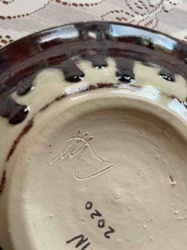
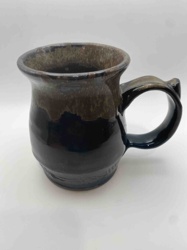
Submitted photo of Wesley Williams Hand-Painted Ceramic Platter
Photo submitted by the user — not generated by AI

User's notes

W. Williams

These notes were written by the person who submitted this item. Appraiser.AI has not verified them, and the AI's identification and estimate may rely on them.

AI Estimated Value

Not an official valuation

$450 - $650

AI estimate as of March 12, 2026 · verify with a professional before acting

AI-Generated · Verify before acting

Everything on this page is generated by AI for informational purposes only. AI can make mistakes — the AI may misidentify items or misattribute them (artist, maker, brand, designer, origin, era). This is not an official valuation and should not be used for insurance, sale, tax, estate, legal, or lending purposes — or any decision requiring a certified appraisal. It is not an authoritative claim about any person, brand, or rights holder — do not share or rely on it as a factual statement about a third party. Always consult qualified professionals before making financial decisions.

This analysis also relies on unverified notes provided by the user, which may be incomplete or inaccurate and could affect the result.

Read the full disclaimer

AI Item Analysis

This item is a circular studio ceramic platter or shallow bowl featuring a vibrant, hand-painted abstract composition. The piece is crafted from a white glaze-based ceramic, likely earthenware or stoneware, and displays a highly energetic Post-Modern or Memphis-style aesthetic. The color palette is exceptionally diverse, utilizing bold applications of turquoise, lime green, lavender, magenta, and coral, accented by heavy black outlines and graphic patterns including dots, repetitive scales, and tiger-like striping. The central motif consists of organic, fluid shapes that suggest a marine or biomorphic theme, though the overall design remains non-representative. The glaze appears thick and glossy, with visible brushwork that creates a tactile, slightly raised surface texture known as impasto-like glaze application. Based on the provided context, the work is attributed to artist W. Williams (Wesley Williams), an artist known for his whimsical and colorful ceramic works typically produced in the late 20th century, approximately the 1980s or 1990s. The condition appears excellent with a high-luster finish; there are no immediate signs of crazing, chipping, or significant surface wear visible in the photograph. The craftsmanship is professional, showing a sophisticated understanding of balanced color theory and graphic design within a circular format. The platter is currently displayed on a clear acrylic stand on a rustic wooden surface, highlighting its role as a decorative art object rather than functional dinnerware.
AI Appraisal Report

I have conducted a visual examination of the Wesley Williams hand-painted ceramic platter. The piece is an excellent example of late 20th-century studio pottery, specifically channeling the Post-Modern 'Memphis' movement popular in the 1980s and 1990s. The application of the glaze is particularly noteworthy; the thick, impasto-like execution of the vibrant turquoise and magenta pigments suggests a high level of technical control and artistic intent. Based on the provided imagery, the condition appears near-mint, with the high-luster glaze showing no evidence of the crazing or surface abrasions common in functional earthenware of this age. The market for 1980s studio ceramics has seen a resurgence as collectors seek 'maximalist' statement pieces. Wesley Williams' work is recognized for its whimsicality and graphic complexity, which aligns with current interior design trends. Comparables for signed studio platters of this size and stylistic complexity typically range from $400 to $700 at specialized auction houses or mid-century modern galleries. However, this appraisal is subject to limitations inherent in digital examination. While the style and signature match known Williams works, I cannot definitively verify the clay body density or detect professional restorations that might be hidden under the high-gloss finish. For a full authentication and insurance-grade valuation, an in-person inspection is required to verify the 'W. Williams' mark on the verso. Additionally, provenance documentation—such as a gallery receipt or exhibition history—would significantly solidify the piece's pedigree and potentially elevate its value to the high end of the estimated range.

Keep exploring

More studio pottery / fine art ceramics appraisals

Get your items appraised

Instant AI-powered appraisal estimates from a photo

Browse More Appraisals