AI identification & appraisal estimate

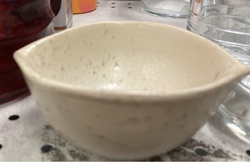
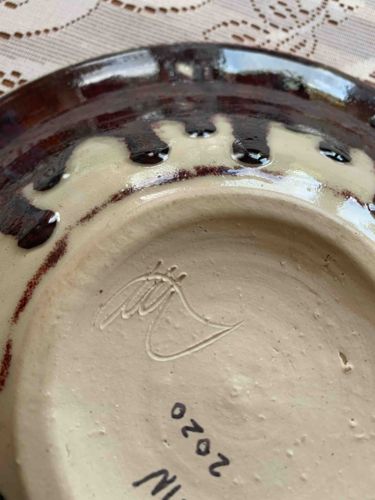
Studio Pottery Bowl with Drip Glaze (Dated 2020)

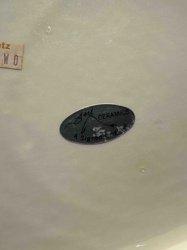
Submitted photo of Studio Pottery Bowl with Drip Glaze (Dated 2020)
Photo submitted by the user — not generated by AI

AI Estimated Value

Not an official valuation

$200-300

AI estimate as of July 10, 2025 · verify with a professional before acting

AI-Generated · Verify before acting

Everything on this page is generated by AI for informational purposes only. AI can make mistakes — the AI may misidentify items or misattribute them (artist, maker, brand, designer, origin, era). This is not an official valuation and should not be used for insurance, sale, tax, estate, legal, or lending purposes — or any decision requiring a certified appraisal. It is not an authoritative claim about any person, brand, or rights holder — do not share or rely on it as a factual statement about a third party. Always consult qualified professionals before making financial decisions.

Read the full disclaimer

AI Item Analysis

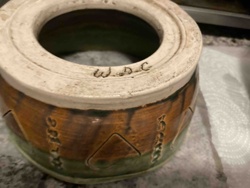
This item is identified as a handcrafted ceramic bowl, distinguished by its unique glazes and evident artistic marks. The bowl features a sturdy construction, likely made from earthenware or stoneware clay, indicative of its earthy, unglazed base color, which appears to be a light cream or off-white. The upper interior and rim of the bowl are adorned with a lustrous, dark brown, almost black, glaze that exhibits an intentional 'drip' effect, creating elongated, organic shapes against the lighter background. These drips appear to be quite thick, possibly indicating a generous application of glaze. The glaze has a high-gloss finish, reflecting light, suggesting it was fired at a high temperature. There is a visible reddish-brown speckling along the transition from the glazed to the unglazed surface, possibly a result of the glaze's interaction with the clay body or a secondary glaze application. The visible portion of the exterior bottom surface is unglazed, revealing the natural texture and color of the clay. This unglazed surface is slightly uneven, showing tactile qualities of the hand-thrown or hand-built nature of the piece. Notable features include incised markings on the unglazed base: a distinctive artisan's signature or maker's mark resembling stylized initials, possibly 'MZ' or 'MW', and a clearly handwritten '2020', indicating the year of creation. The craftsmanship appears to be of good quality, showcasing careful glazing and finishing, with no immediately obvious major cracks or chips visible in the partial view. The intentional 'drip' effect points to a contemporary or modern art pottery style. The combination of the artist's mark and the date suggests this is a unique, studio pottery piece rather than mass-produced.
AI Appraisal Report

Upon examining the provided image of the Studio Pottery Bowl with Drip Glaze, dated 2020, I assess its condition as very good, showing no apparent major flaws such as cracks or chips from this partial view. The authenticity is strongly suggested by the unique artisan's mark (stylized 'MZ' or 'MW') and the clearly inscribed '2020' date on the unglazed base, indicating a clear provenance and artistic intent rather than mass production. The 'drip' glaze technique is well-executed, highlighting the craftsmanship. The dark brown, high-gloss glaze against the unglazed cream clay body creates an aesthetically pleasing contrast. The unglazed base shows the natural texture of the clay, consistent with studio pottery. Market conditions for contemporary studio pottery are generally robust, with increasing demand for unique, handcrafted items from identifiable artists. Comparables would include works by established ceramic artists known for their distinct glazing techniques and signature styles. The rarity of this specific piece stems from its being a unique, artist-signed creation, not a reproduction. The primary factor impacting its value positively is its individuality, the visible artistic signature, and the quality of execution. Limitations in authenticity verification from images alone exist. While the marks appear genuine, a physical examination would allow me to inspect the clay body, glaze composition, and firing characteristics more thoroughly. Provenance documentation, such as purchase receipts or exhibition history, if available, would further solidify authentication. Scientific testing on the clay or glaze is not typically required unless there are significant doubts about the material's age or origin, which is not the case here given the clear date.

Keep exploring

More ceramics/pottery appraisals

Get your items appraised

Instant AI-powered appraisal estimates from a photo

Browse More Appraisals