AI Appraisal Estimate

AI-generated estimates · not official valuations

From the user

What was submitted

Photo and notes provided by the user — not generated by AI

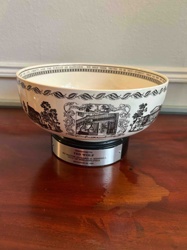
Submitted item photo
Submitted photo · June 10, 2026

User's notes

No additional notes provided.

AI analysis below

AI appraisal

AI analysis & estimate

AI-Generated · Verify before acting

Everything below is generated by AI for informational purposes only. AI can make mistakes — the AI may misidentify items or misattribute them (artist, maker, brand, designer, origin, era). This is not an official valuation and should not be used for insurance, sale, tax, estate, legal, or lending purposes — or any decision requiring a certified appraisal. It is not an authoritative claim about any person, brand, or rights holder — do not share or rely on it as a factual statement about a third party. Always consult qualified professionals before making financial decisions.

Read the full disclaimer

AI Identification

·Not independently authenticated·Verify before acting

Ceramic Piggy Bank (Sailor Pig)

Decorative Art and Collectibles

AI Estimated Value

·Not an official valuation·Verify before acting

$30 - $60

As of June 10, 2026

AI Item Analysis

·AI can make mistakes·Verify before acting
This item is a ceramic piggy bank, shaped like a standing pig. The pig is depicted with a jovial and contented expression, featuring closed eyes with painted eyelashes, a wide smile, and rosy-red cheeks and snout. Its overall body is rendered in a slightly off-white or cream color, with prominent pinkish-red accents on its ears, nose, and cheeks, suggesting a hand-painted finish. The pig is 'dressed' in a sailor-style outfit, consisting of a white shirt with horizontal blue stripes and solid blue pants or lower body. The stripes appear to be painted on, possibly underglaze or overglaze. The ceramic material has a glossy glaze throughout, indicating it was fired at a high temperature. The construction appears to be a single, hollow molded piece. The craftsmanship suggests it is a mass-produced decorative item, possibly from the mid-20th century, given its aesthetic. There are no visible chips, cracks, or significant surface abrasions, suggesting good to very good condition. The reflective surface of the glaze is evident, showing some glare from the surrounding light sources. The pig's plump form and friendly face contribute to its charm. It is likely designed with a coin slot on its back (not visible in the image) and a stopper on the bottom for coin retrieval. No specific maker's marks or signatures are discernible from the provided image, but such pieces often bear stamps on their underside. The overall aesthetic points to a whimsical or collectible design.

AI Appraisal Report

·AI can make mistakes·Verify before acting
I have examined the image provided for this Ceramic Piggy Bank, affectionately dubbed 'Sailor Pig'. Based on my visual assessment, the item appears to be in good to very good condition, with no visible chips, cracks, or significant surface wear. The glossy glaze is intact, and the painted details are clear. Authenticity, based on the image, suggests it is a mass-produced ceramic piggy bank, likely from the mid-20th century. The aesthetic is consistent with items manufactured during that period for decorative and functional use. I do not detect any signs that would suggest it is not what it purports to be. Market conditions for this type of decorative ceramic piggy bank are generally moderate. Comparable items in similar condition on online marketplaces and at antique shops typically range from $25 to $75. While charming, these items are not particularly rare, nor is there exceptionally high demand unless it's for a very specific collector niche (e.g., pig collectors or sailor-themed items). Factors impacting value positively include its good condition and endearing design. Negative factors include its mass-produced nature and lack of discernible artist or manufacturer's marks. It is important to note the limitations of remote appraisal. A full authentication would require an in-person examination to confirm the absence of hairline cracks, repairs, or manufacturer's marks on the base, which often contain crucial identifying information. Physical inspection would also allow for a more precise assessment of the ceramic body and paint application techniques. Provenance documentation, if available, could also add to its historical context and potentially its value, though it is less common for mass-produced items like this.

Get your items appraised

Instant estimates of your treasures with AI-powered appraisals

Browse More Appraisals