AI Appraisal Estimate

AI-generated estimates · not official valuations

From the user

What was submitted

Photo and notes provided by the user — not generated by AI

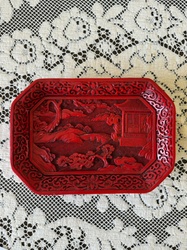
Submitted item photo
Submitted photo · June 25, 2026

User's notes

No additional notes provided.

AI analysis below

AI appraisal

AI analysis & estimate

AI-Generated · Verify before acting

Everything below is generated by AI for informational purposes only. AI can make mistakes — the AI may misidentify items or misattribute them (artist, maker, brand, designer, origin, era). This is not an official valuation and should not be used for insurance, sale, tax, estate, legal, or lending purposes — or any decision requiring a certified appraisal. It is not an authoritative claim about any person, brand, or rights holder — do not share or rely on it as a factual statement about a third party. Always consult qualified professionals before making financial decisions.

Read the full disclaimer

AI Identification

·Not independently authenticated·Verify before acting

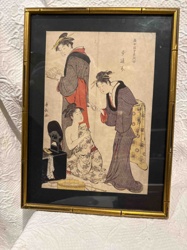
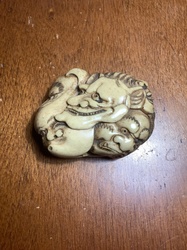
Vintage Japanese Oshie-e Padded Silk Collage of a Bijin (Beauty)

Asian Art and Antiques

AI Estimated Value

·Not an official valuation·Verify before acting

$150 - $250

As of June 25, 2026

AI Item Analysis

·AI can make mistakes·Verify before acting
This is a traditional Japanese Oshie-e, a form of padded fabric collage art, featuring a full-length depiction of a Bijin (beautiful woman), likely a geisha or noblewoman. The figure is constructed using the kimekomi technique, where individual pieces of silk and brocade are padded with cotton or paper and tucked into a supportive backing to create a three-dimensional, relief-style effect. The subject wears an ornate orange and gold floral patterned kimono with silver-grey striped obi. She holds a traditional white paper lantern and stands on what appears to be a tatami mat background. The face and hands are delicately painted on fine silk or paper, showing classical Edo-style beauty traits. The piece is housed in a rectangular black wooden frame with a gold inner slip, measuring approximately 18 to 24 inches in height. The background features mixed media elements, including a textured metallic panel and a small landscape painting in the upper right. There is visible age-related wear, including significant foxing and brown spotting on the lighter paper backgrounds and slight fading of the textile colors. The craftsmanship is high, indicative of mid-20th century Shōwa era production, often sold as decorative souvenirs or high-end craft kits.
AI Appraisal Report

·AI can make mistakes·Verify before acting
I have conducted a visual inspection of this Vintage Japanese Oshie-e padded silk collage. The piece represents a classic Shōwa era (approx. 1950s–1970s) decorative handicraft, utilizing traditional kimekomi techniques to create a three-dimensional figure. The complexity of the textile layering in the kimono and the hand-painted facial features suggest a high-quality production, likely intended for the domestic Japanese luxury gift market or as a high-end export item. Upon closer inspection, the condition is the primary factor impacting value. There is significant foxing (rusty brown spots) throughout the background and on the fine silk of the subject's face. These acidic stains are difficult to remediate in mixed-media pieces and detract from the visual appeal. While the textiles remain vibrant, the structural integrity of the frame appears standard for the mid-20th century. Market demand for Oshie-e is currently stable but modest; they are viewed as decorative folk art rather than high-value fine art antiques. Comparables for framed Bijin-ga of this size in similar condition typically realize between $100 and $300 at specialized auctions. Limitations: This appraisal is based solely on high-resolution imagery. A physical examination is required to verify the age of the underlying paper substrates and to confirm if the 'gold' elements are genuine metallic leaf or synthetic paint. To fully authenticate the period and provenance, I would need to examine the reverse of the backing board for artist seals or gallery labels. Scientific testing of the adhesive and fiber content would be necessary to differentiate an early 20th-century piece from a later 1960s reproduction.

Get your items appraised

Instant estimates of your treasures with AI-powered appraisals

Browse More Appraisals