AI Appraisal Estimate

AI-generated estimates · not official valuations

From the user

What was submitted

Photo and notes provided by the user — not generated by AI

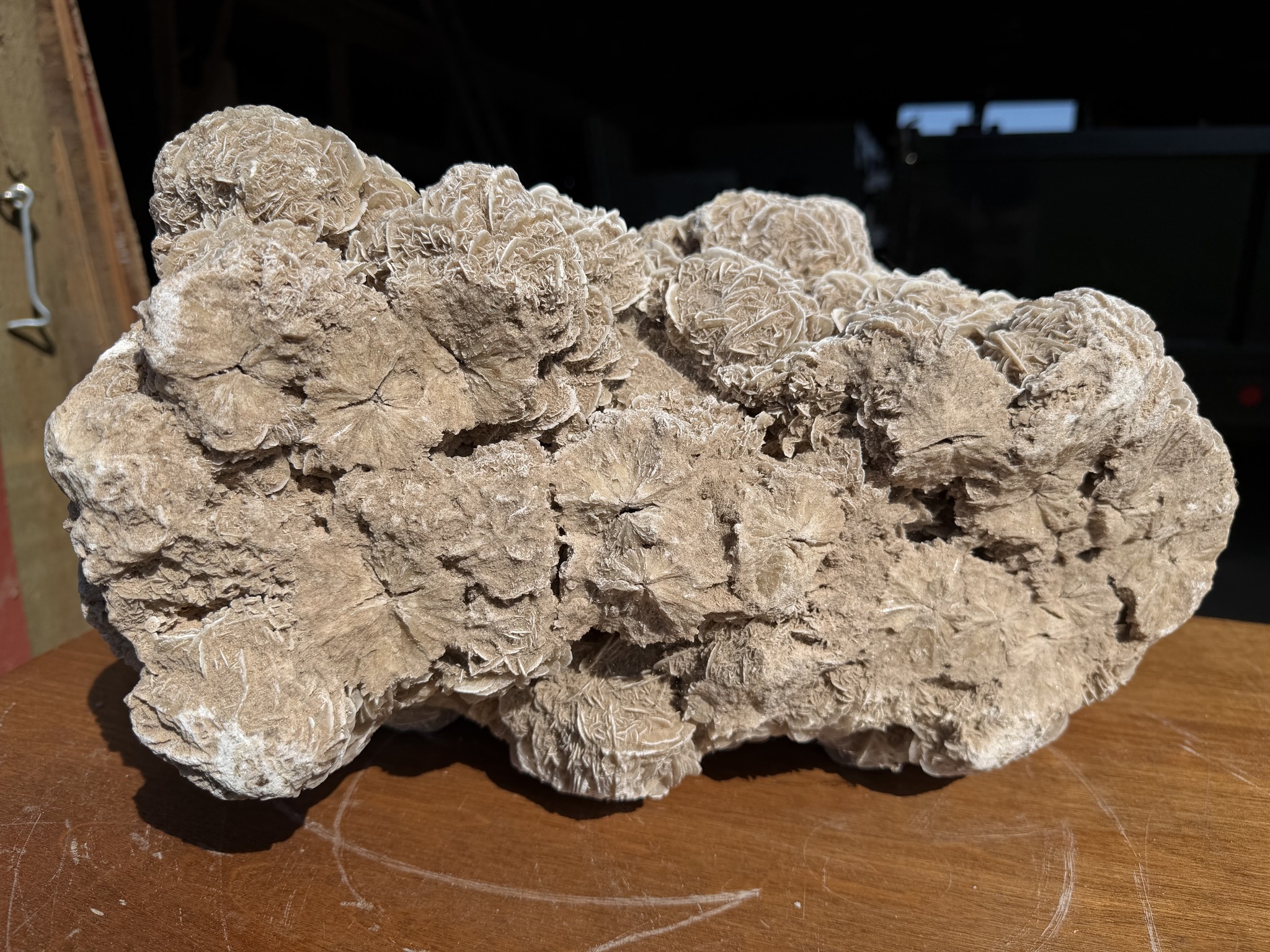
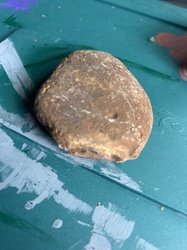
Submitted item photo
Submitted photo · June 19, 2026

User's notes

53.8 lbs 13 1/2” x 10 1/4” x 8 1/2” Desert rose quartz

AI analysis below

AI appraisal

AI analysis & estimate

AI-Generated · Verify before acting

Everything below is generated by AI for informational purposes only. AI can make mistakes — the AI may misidentify items or misattribute them (artist, maker, brand, designer, origin, era). This is not an official valuation and should not be used for insurance, sale, tax, estate, legal, or lending purposes — or any decision requiring a certified appraisal. It is not an authoritative claim about any person, brand, or rights holder — do not share or rely on it as a factual statement about a third party. Always consult qualified professionals before making financial decisions.

Note

This analysis also relies on unverified notes provided by the user, which may be incomplete or inaccurate and could affect the result.

Read the full disclaimer

AI Identification

·Not independently authenticated·Verify before acting

Large Desert Rose Selenite Crystal Specimen

Mineral Specimens / Natural History

AI Estimated Value

·Not an official valuation·Verify before acting

$300 - $500

As of June 19, 2026

AI Item Analysis

·AI can make mistakes·Verify before acting
This is a substantial and visually striking mineral specimen known as a 'Desert Rose,' traditionally composed of baryte or gypsum (specifically selenite) with sand inclusions. Based on the provided physical data, the specimen weighs an impressive 53.8 lbs and measures approximately 13 1/2” x 10 1/4” x 8 1/2”. It exhibits a characteristic rosette-like formation, characterized by flattened, bladed crystals that radiate outwards to mimic the appearance of blooming flower petals. The coloration is a natural, muted tan or sandy-beige, indicative of the high concentration of sand trapped within the crystal lattice during its formation in arid, evaporative environments. The texture is rough and gritty due to the sand particles, yet the crystalline structure provides a subtle, shimmering luster when caught in direct light. The piece is a dense, multi-clustered formation with numerous interconnected 'blooms' of varying sizes. Regarding condition, the specimen appears largely intact, keeping its many delicate crystalline edges, though typical minor chipping and natural weathering consistent with its extraction and weight are present. There are no signs of artificial coloring or synthetic bonding; it is a raw, natural geological formation of exceptional scale and quality. Unlike smaller, common desktop specimens, the sheer mass and complexity of this cluster make it a significant piece for display or geological study.
AI Appraisal Report

·AI can make mistakes·Verify before acting
Based on the provided information and visual description, this is a substantial 'Desert Rose' specimen, weighing an impressive 53.8 lbs and measuring 13 1/2” x 10 1/4” x 8 1/2”. While the owner specifies 'Desert rose quartz,' it is crucial to clarify that true Desert Roses are typically composed of gypsum (selenite) or baryte with sand inclusions, not quartz. Assuming this is a standard selenite/baryte desert rose, the size and weight are the primary value drivers here. The piece exhibits the classic rosette formation and sandy-beige coloration typical of these minerals found in arid regions like the Sahara or parts of Mexico and the US Southwest. Visually, the condition appears good for its size, with intact crystalline edges and natural weathering. Market demand for desert roses is steady but generally geared towards smaller, easily displayed pieces; however, large, heavy decorator specimens like this are sought after for interior design and landscaping. While smaller pieces sell for nominal amounts, a piece over 50 lbs commands a premium due to shipping difficulties and the rarity of extracting such a large intact cluster. Factors impacting value include the aesthetic balance of the 'blooms' and minimal damage to the fragile petal edges. Please note that this appraisal is based solely on the provided description and images. An in-person examination would be necessary to confirm the exact mineralogical composition (gypsum vs. baryte), definitively rule out any synthetic reconstruction or repairs commonly seen in large composite specimens, and assess the true structural integrity.

Get your items appraised

Instant estimates of your treasures with AI-powered appraisals

Browse More Appraisals