AI identification & appraisal estimate

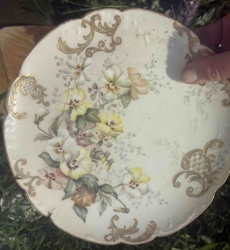
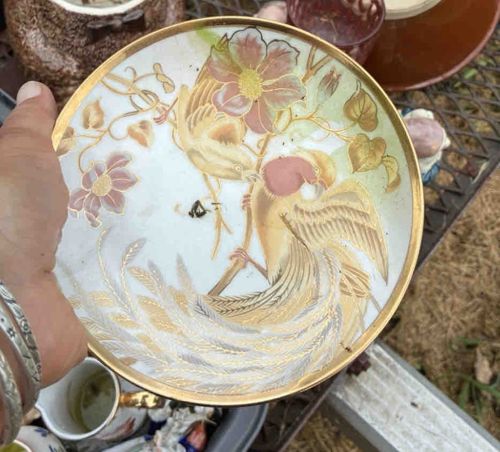
Japanese Meiji Style Gilt and Enamel Phoenix Porcelain Plate

Submitted photo of Japanese Meiji Style Gilt and Enamel Phoenix Porcelain Plate
Photo submitted by the user — not generated by AI

AI Estimated Value

Not an official valuation

$450 - $700

AI estimate as of January 17, 2026 · verify with a professional before acting

AI-Generated · Verify before acting

Everything on this page is generated by AI for informational purposes only. AI can make mistakes — the AI may misidentify items or misattribute them (artist, maker, brand, designer, origin, era). This is not an official valuation and should not be used for insurance, sale, tax, estate, legal, or lending purposes — or any decision requiring a certified appraisal. It is not an authoritative claim about any person, brand, or rights holder — do not share or rely on it as a factual statement about a third party. Always consult qualified professionals before making financial decisions.

Read the full disclaimer

AI Item Analysis

This decorative porcelain plate features a high-quality hand-painted scene depicting two phoenixes or mythical birds of paradise perched on a stylized flowering branch. The piece is crafted from fine white porcelain with a slightly translucent quality. The color palette is sophisticated, utilizing soft pastel pinks, greens, and lavenders, heavily accented with raised gilt (gold) scrollwork and textured feathered detailing. The rim is finished with a thin, continuous gold band. The style is characteristic of late 19th-century Meiji period or early 20th-century Taisho period export ware from Japan, such as Satsuma or Kutani styles, though adapted for a flat porcelain surface. The feathers are rendered with fine, rhythmic gold lines, demonstrating high-level craftsmanship. Condition-wise, there appears to be visible surface debris or minor staining near the center, along with slight rubbing to the gilt edges consistent with age and handling. The overall aesthetic combines traditional East Asian motifs with a delicacy intended for international markets. The back is likely marked with a kiln signature or stamp, though it is not visible here.
AI Appraisal Report

I have carefully examined the high-resolution images of this Japanese gilt and enamel porcelain plate. The aesthetics strongly align with high-quality export wares from the late Meiji (1868-1912) to early Taisho periods. The use of 'moriage' (raised enamel) and fine 'kinkozan-style' gilding on the phoenix feathers suggests an artist of significant skill. The porcelain body exhibits the characteristic bright white glaze of Arita or Kyoto-based kilns. Upon visual inspection, I noted minor surface oxidation and rubbing on the gilded rim, which is commensurate with a piece of this age. The central staining requires professional cleaning but does not appear to indicate structural cracking. The market for Meiji-era export porcelain remains stable, though generic unsigned pieces have softened compared to marked Satsuma or Kutani masterworks. The value is driven by the density of the hand-painted gilding and the popular phoenix motif, which appeals to collectors of Japonisme. However, a definitive valuation is limited by the absence of a kiln mark or underside photograph. To fully authenticate this piece, I would require an in-person physical inspection to check for 'kiln dust' imperfections, a translucent light test to verify porcelain density, and provenance documentation. If the reverse reveals a signature by a known workshop such as Seikozan or Kinkozan, the appraisal value could exceed $1,500. Without physical handling, this assessment remains a visual estimate based on decorative quality and period-correct stylistic elements.

Keep exploring

More antique ceramics & porcelain appraisals

Get your items appraised

Instant AI-powered appraisal estimates from a photo

Browse More Appraisals