AI identification & appraisal estimate

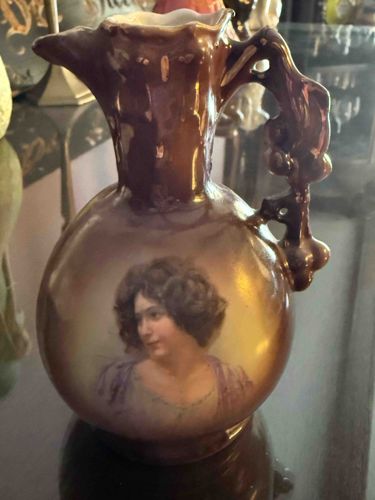
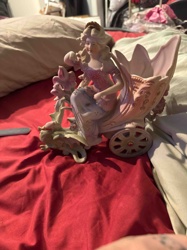
Antique Austrian Iridescent Portrait Pitcher

This name is the AI's identification of the item — it may be incorrect.

Submitted photo of Antique Austrian Iridescent Portrait Pitcher
Photo submitted by the user — not generated by AI

User's notes

Antique Austria signed portrait pitcher

These notes were written by the person who submitted this item. Appraiser.AI has not verified them, and the AI's identification and estimate may rely on them.

AI Estimated Value

Not an official valuation

$175 - $250

AI estimate as of January 25, 2026 · verify with a professional before acting

AI-Generated · Verify before acting

Everything on this page is generated by AI for informational purposes only. AI can make mistakes — the AI may misidentify items or misattribute them (artist, maker, brand, designer, origin, era). This is not an official valuation and should not be used for insurance, sale, tax, estate, legal, or lending purposes — or any decision requiring a certified appraisal. It is not an authoritative claim about any person, brand, or rights holder — do not share or rely on it as a factual statement about a third party. Always consult qualified professionals before making financial decisions.

This analysis also relies on unverified notes provided by the user, which may be incomplete or inaccurate and could affect the result.

Read the full disclaimer

AI Item Analysis

This is an antique porcelain portrait pitcher, identified by the user as of Austrian origin. The piece features a bulbous body tapering into a slender neck with a flared, scalloped rim and a decorative figural or ornate bifurcated handle. The most prominent feature is a central transfer-printed or hand-painted portrait of a young woman with dark, voluminous hair, styled in a manner consistent with the late Victorian or Belle Époque period, approximately 1890-1910. The ceramic is finished with a deep bronze-to-purple iridescent luster glaze that exhibits a high metallic sheen. The handle appears to have ornate molded detailing, possibly representing grapes or scrollwork. Historically, Austrian porcelain houses like Royal Vienna or Robert Hanke produced similar wares. Condition appears fair to good for its age, showing typical surface wear to the luster glaze and some softening of detail on the portrait. The scalloped rim shows minor irregularities that may be original to production or slight wear over time. This item represents the Art Nouveau era's fascination with feminine beauty and iridescent glazing techniques.
AI Appraisal Report

I have carefully examined the provided images of this Austrian ceramic portrait pitcher. Based on the stylistic cues, including the deep iridescent metallic glaze and the Belle Époque transfer-printed portrait, this piece is consistent with production from the late 19th to early 20th century. While similar to works by Royal Vienna or Amphora, the glaze and handle morphology are indicative of a mid-tier ceramic house, such as Robert Hanke or Victoria Carlsbad. The condition appears fair to good; however, there is noticeable thinning and surface wear to the luster glaze, particularly on the neck and bulbous body, which is common for this era but limits the value. The market for 19th-century portrait porcelain remains stable but has softened from its peak in the 1990s. Collectors currently favor pieces with hand-painted details and intact gold gilt over transfer-printed examples like this one. Current market comparables for pieces with similar wear patterns and manufacturing techniques typically fall within the $150 to $300 range. A significant limitation of this appraisal is the lack of a clear photograph of the base mark, which is essential for definitive attribution and dating. This valuation assumes the piece is free of hairline fractures and professional restorations, which are difficult to detect via photography. To finalize authentication, I would require an in-person physical inspection under ultraviolet light to check for repairs, a high-resolution image of the maker's signature, and any available provenance regarding its acquisition history. Should the mark identify a prestigious studio like Royal Vienna (Beehive mark), the value would increase significantly.

Keep exploring

More antique ceramics & porcelain appraisals

Get your items appraised

Instant AI-powered appraisal estimates from a photo

Browse More Appraisals