AI Appraisal Estimate

AI-generated estimates · not official valuations

From the user

What was submitted

Photo and notes provided by the user — not generated by AI

Submitted item photo
Submitted photo · June 6, 2026

User's notes

Empire

AI analysis below

AI appraisal

AI analysis & estimate

AI-Generated · Verify before acting

Everything below is generated by AI for informational purposes only. AI can make mistakes — the AI may misidentify items or misattribute them (artist, maker, brand, designer, origin, era). This is not an official valuation and should not be used for insurance, sale, tax, estate, legal, or lending purposes — or any decision requiring a certified appraisal. It is not an authoritative claim about any person, brand, or rights holder — do not share or rely on it as a factual statement about a third party. Always consult qualified professionals before making financial decisions.

Note

This analysis also relies on unverified notes provided by the user, which may be incomplete or inaccurate and could affect the result.

Read the full disclaimer

AI Identification

·Not independently authenticated·Verify before acting

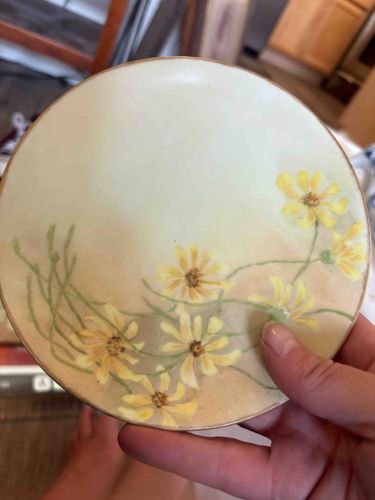
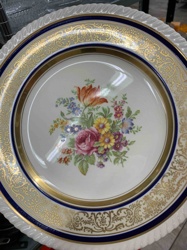
Hand-Painted Floral Ceramic Plate with Daisy Motif

Dinnerware / Decorative Plate

AI Estimated Value

·Not an official valuation·Verify before acting

$75-150

As of June 6, 2026

AI Item Analysis

·AI can make mistakes·Verify before acting
The item is a small, circular ceramic plate, likely a saucer, side plate, or decorative wall plate, featuring a hand-painted floral design. Its primary color is a light, creamy yellow or off-white, with a subtle gradient of a slightly darker, warmer beige or light brown towards the bottom and right edges of the visible surface. The plate is adorned with multiple yellow daisy-like flowers with brown or dark yellow centers, arranged in a naturalistic cluster. Green stems and slender leaves emanate from and connect the flowers, creating a sense of organic growth. The painting style appears to be art nouveau or arts and crafts inspired, characterized by flowing lines and nature motifs, suggesting an estimated age from the late 19th to early 20th century. The rim of the plate features a thin, possibly gilded or painted gold-colored band, which appears slightly worn in areas, indicating use or age. There are no clear visible manufacturer's marks, signatures, or stamps in the provided image. The surface exhibits a slight sheen, suggesting a glazed finish. Visible condition issues include what appears to be minor crazing, fine crackling in the glaze, particularly noticeable in the upper region of the plate, and some very minor discoloration or scuffing on the surface. These appear to be consistent with age and typical wear for a ceramic item of this type. The craftsmanship suggests a piece made with reasonable attention to detail, likely intended for everyday use or as a decorative accent.
AI Appraisal Report

·AI can make mistakes·Verify before acting
Upon examining the provided image of the Hand-Painted Floral Ceramic Plate with Daisy Motif, I assess its condition as good, consistent with its likely age. The visible crazing and minor discoloration are typical for a glazed ceramic item from the late 19th to early 20th century. Authenticity, based solely on this image, appears consistent with the Art Nouveau or Arts and Crafts aesthetic prevalent during that period, further supported by the company's Empire affiliation. The hand-painted floral design is charming and well-executed. In terms of market conditions, items of this decorative nature with utilitarian roots often appeal to collectors of antique ceramics and period-specific décor. Comparable items, such as hand-painted ceramic plates from studios like Moravian Pottery and Tile Works or Rookwood Pottery (albeit higher-end), suggest a baseline interest. Demand for such pieces is moderate; while not exceptionally rare, unique hand-painted items do hold a niche appeal. The primary factors impacting value are the unsigned nature hindering definitive artist identification, and the absence of a clear manufacturer's mark which prevents precise dating or attribution to more desirable pottery houses. The slight wear on the gilded rim and minor surface imperfections are expected and do not significantly detract from its decorative value. For a full authentication and more precise valuation, an in-person examination is crucial to assess the true extent of crazing, detect any hidden chips or repairs, and feel the glaze quality. Provenance documentation, if available, would provide invaluable context regarding its history and origin. Furthermore, scientific testing of the glaze or ceramic body might confirm its age and composition, aiding in a more definitive appraisal.

Get your items appraised

Instant estimates of your treasures with AI-powered appraisals

Browse More Appraisals