AI Appraisal Estimate

AI-generated estimates · not official valuations

From the user

What was submitted

Photo and notes provided by the user — not generated by AI

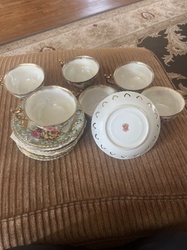
Submitted item photo
Submitted photo · June 18, 2026

User's notes

No additional notes provided.

AI analysis below

AI appraisal

AI analysis & estimate

AI-Generated · Verify before acting

Everything below is generated by AI for informational purposes only. AI can make mistakes — the AI may misidentify items or misattribute them (artist, maker, brand, designer, origin, era). This is not an official valuation and should not be used for insurance, sale, tax, estate, legal, or lending purposes — or any decision requiring a certified appraisal. It is not an authoritative claim about any person, brand, or rights holder — do not share or rely on it as a factual statement about a third party. Always consult qualified professionals before making financial decisions.

Read the full disclaimer

AI Identification

·Not independently authenticated·Verify before acting

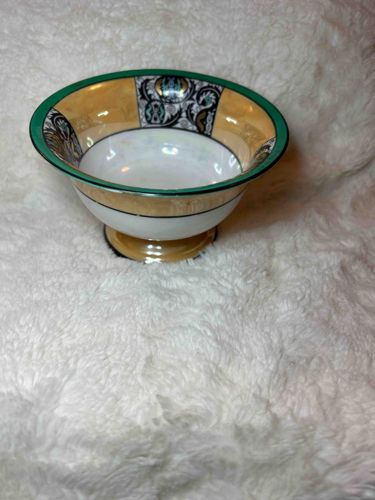
Japanese Noritake Art Deco Lusterware Footed Bowl

Antique and Vintage Ceramics

AI Estimated Value

·Not an official valuation·Verify before acting

$45 - $85

As of June 18, 2026

AI Item Analysis

·AI can make mistakes·Verify before acting
This is a small, footed porcelain bowl featuring a distinctive Art Deco aesthetic, likely manufactured by Noritake in Japan during the 1920s or early 1930s. The piece is constructed from fine white porcelain with a prominent iridescent luster glaze on the interior and sections of the exterior. The rim is decorated with a vibrant, solid emerald green border. Below the rim, the interior wall is divided into panels: alternating sections of solid ochre-gold luster and intricate black-and-white geometric patterns with teal accents. These patterned panels exhibit stylized floral or foliate motifs characteristic of the Art Deco period. The bowl sits on a raised pedestal foot, which is also coated in a warm gold-tone luster glaze. Physically, the item appears to be in good vintage condition; however, typical for lusterware of this age, there are signs of minor surface wear and light fading to the metallic finishes. No significant cracks or chips are immediately visible from this perspective. The craftsmanship is refined, showing thin ceramic walls and precise application of the multi-colored transfer patterns and hand-painted accents. This style of 'Morimura Brothers' era porcelain is highly collected for its bold use of color and geometric experimentation.
AI Appraisal Report

·AI can make mistakes·Verify before acting
Based on my visual examination of this Japanese Noritake Lusterware footed bowl, I identify it as an authentic Morimura Brothers-era export piece, likely produced between 1921 and 1930. The piece exemplifies the vibrant Art Deco aesthetic of the period, featuring the characteristic iridescent glaze and bold geometric patterning combined with stylized floral motifs. The emerald green rim contrasting with ochre and black panels is a classic, desirable palette for collectors of this genre. Condition appears to be 'Good Vintage,' with the expected wear for a utilitarian object of this age. I observe minor rubbing to the gilt and luster finishes, particularly on the high points of the rim and interior basin, which is standard. There are no obvious chips or hairline cracks visible in the provided imagery, though a physical inspection under UV light would be necessary to rule out professional restoration or hidden stress fractures. The transfer application is clean, and the glaze appears stable. While Noritake Lusterware is relatively common due to high export volumes to the U.S. in the 1920s, pieces with this specific Art Deco geometric complexity generally command a slight premium over plain floral designs. The current market for lusterware is stable but soft compared to its peaks in the late 20th century. Comparables for similar small footed compotes or bowls generally sell in the $40 to $70 range, with exceptional examples reaching slightly higher. Limitations of this remote appraisal include the inability to check the specific backstamp (e.g., green 'M' vs. red options), which can fine-tune dating, or to feel the weight and texture for reproduction signs, though reproductions of this specific complex style are rare.

Get your items appraised

Instant estimates of your treasures with AI-powered appraisals

Browse More Appraisals