AI identification & appraisal estimate

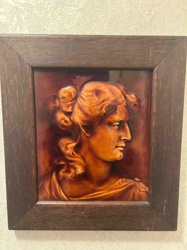
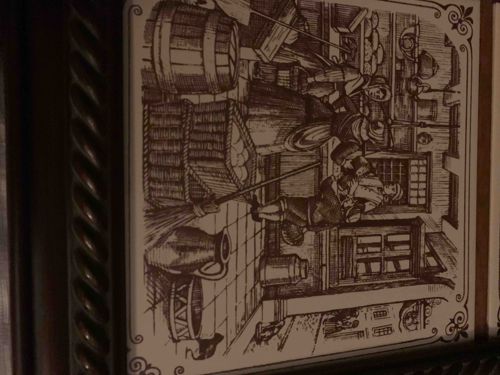
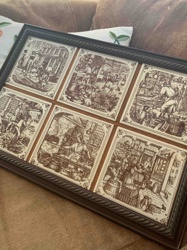
Framed Holland Porcelain Tile with Sepia-Toned Historical Scene

Submitted photo of Framed Holland Porcelain Tile with Sepia-Toned Historical Scene
Photo submitted by the user — not generated by AI

User's notes

Holland porcelain tile

These notes were written by the person who submitted this item. Appraiser.AI has not verified them, and the AI's identification and estimate may rely on them.

AI Estimated Value

Not an official valuation

$50-75

AI estimate as of August 12, 2025 · verify with a professional before acting

AI-Generated · Verify before acting

Everything on this page is generated by AI for informational purposes only. AI can make mistakes — the AI may misidentify items or misattribute them (artist, maker, brand, designer, origin, era). This is not an official valuation and should not be used for insurance, sale, tax, estate, legal, or lending purposes — or any decision requiring a certified appraisal. It is not an authoritative claim about any person, brand, or rights holder — do not share or rely on it as a factual statement about a third party. Always consult qualified professionals before making financial decisions.

This analysis also relies on unverified notes provided by the user, which may be incomplete or inaccurate and could affect the result.

Read the full disclaimer

AI Item Analysis

This item is a decorative Holland porcelain tile, recessed into what appears to be a dark wooden frame with a twisted or rope-like carved border. The tile itself is rectangular and features a monochromatic sepia-toned illustration depicting a lively, domestic or commercial scene, likely a busy interior shop or market setting. The primary colors are off-white/cream for the tile base and a rich dark brown/sepia for the intricate drawing. Observable elements within the illustration include several figures, possibly men and women in historical attire, engaged in various activities. One prominent figure is seen sweeping with a broom, near a large jug or pitcher. In the background, there's a large wooden barrel, stacks of goods (possibly baskets or crates), and architectural details like windows and doorways. The drawing style is highly detailed, employing fine lines and cross-hatching to create depth and texture, reminiscent of etchings or engravings from the 17th or 18th century, particularly Dutch genre scenes. The tile's edges are adorned with subtle scrollwork or decorative flourishes in the corners, consistent with period-appropriate ornamental designs. There are no immediately visible condition issues such as cracks, chips, or significant wear on the tile's surface. The illustration appears crisp and well-preserved. The wooden frame itself shows a smooth, dark finish and uniform carving, suggesting good craftsmanship and care. Given the 'Holland porcelain tile' context, it's likely a modern reproduction or a commemorative piece inspired by traditional Dutch Delftware or similar historical art, rather than an antique piece of the depicted era. The overall quality suggests it's a well-made decorative item.
AI Appraisal Report

Upon examining the provided image and description of this Framed Holland Porcelain Tile, I have conducted an appraisal of its fair market value. The item consists of a rectangular porcelain tile, set within a dark, carved wooden frame. The tile features a highly detailed, sepia-toned illustration reminiscent of 17th or 18th-century Dutch genre scenes, depicting a busy interior. The overall condition, based on the visual evidence, appears to be excellent. The illustration is crisp, and I see no signs of chips, cracks, or crazing on the tile. The wooden frame is also well-maintained. Based on the style and 'Holland porcelain tile' designation, this piece is assessed as a modern decorative reproduction rather than a period antique. The market for such high-quality decorative tiles is consistent but generally modest. Similar contemporary or late 20th-century framed Dutch-style decorative tiles typically sell in the secondary market for between $35 and $75. The fine detail of the artwork and the quality of the frame place this example at the higher end of that range. Rarity is low, as these are produced in quantity for the decorative and tourist markets. The primary limitation of this appraisal is its reliance on images alone. Authentication as a modern piece is highly likely but not definitive. A physical, in-person examination would be required to inspect for any maker's marks on the back of the tile or frame, which could identify the manufacturer and production date, potentially adjusting the value slightly. Without such marks or provenance, it is valued as a fine decorative object.

Keep exploring

More decorative tile / wall art appraisals

Get your items appraised

Instant AI-powered appraisal estimates from a photo

Browse More Appraisals