AI Appraisal Estimate

AI-generated estimates · not official valuations

From the user

What was submitted

Photo and notes provided by the user — not generated by AI

Submitted item photo
Submitted photo · June 8, 2026

User's notes

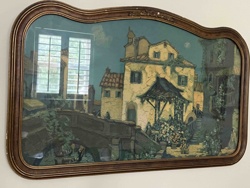
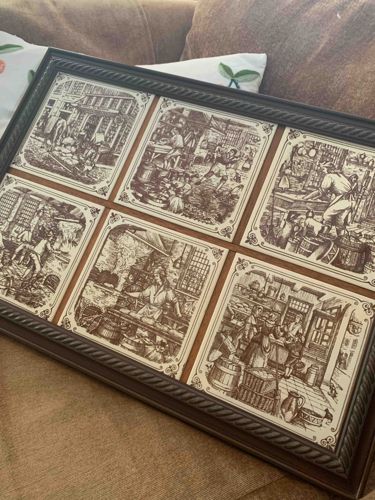
Delft tiles in sepia ,inlaid teak

AI analysis below

AI appraisal

AI analysis & estimate

AI-Generated · Verify before acting

Everything below is generated by AI for informational purposes only. AI can make mistakes — the AI may misidentify items or misattribute them (artist, maker, brand, designer, origin, era). This is not an official valuation and should not be used for insurance, sale, tax, estate, legal, or lending purposes — or any decision requiring a certified appraisal. It is not an authoritative claim about any person, brand, or rights holder — do not share or rely on it as a factual statement about a third party. Always consult qualified professionals before making financial decisions.

Note

This analysis also relies on unverified notes provided by the user, which may be incomplete or inaccurate and could affect the result.

Read the full disclaimer

AI Identification

·Not independently authenticated·Verify before acting

Framed Sepia Engraving-Style Ceramic Tile Panel

Decorative Art / Wall Decor

AI Estimated Value

·Not an official valuation·Verify before acting

$60-90

As of June 8, 2026

AI Item Analysis

·AI can make mistakes·Verify before acting
This item is a framed set of six ceramic tiles, likely a reproduction of Delft-style tiles, presented within a dark brown to black wooden frame. The tiles feature sepia-toned lithographic or transfer print images depicting various historical or genre scenes, possibly related to different trades or daily life, rendered in a style reminiscent of 17th or 18th-century European engravings. Each tile is square and appears to have a stylized border with corner embellishments, characteristic of traditional Delftware designs. The scenes are highly detailed, showing multiple figures engaged in activities within intricate settings, such as interiors and outdoor markets. The tiles are arranged in a grid of two rows by three columns, separated by visible strips of what appears to be inlaid teak or a similar real wood veneer, which adds a warm, contrasting element to the cool tones of the sepia print and the dark frame. The frame itself is substantial, with a molded or carved relief pattern along its inner edge, giving it a classic and somewhat ornate appearance. The overall condition appears good, with no obvious signs of significant damage like chips or cracks on the tiles, or major scratches on the frame. The sepia tone provides an aged aesthetic, consistent with the historical subject matter. The quality of the printing on the tiles seems consistent, suggesting a manufactured set rather than individually hand-painted pieces. The craftsmanship of the frame is decent, with mitered corners that appear well-joined. This piece likely dates from the mid-to-late 20th century, given the style of the frame and the mass-produced nature of such tile sets, often made as decorative wall hangings.
AI Appraisal Report

·AI can make mistakes·Verify before acting
Upon examining the Framed Sepia Engraving-Style Ceramic Tile Panel, I assess it as a decorative piece from the mid-to-late 20th century. The six ceramic tiles are decorated using a transfer printing method, not hand-painting, to replicate the style of 17th or 18th-century sepia-toned Delft tiles. The condition appears to be very good, with no visible chips, cracks, or significant wear on the tiles or the substantial wooden frame. The inlaid teak spacers are a nice, quality touch that adds to the overall pleasing aesthetic. The primary factor influencing value is that this is a 20th-century decorative reproduction, not an antique set of original Delft tiles. The market for such items is primarily in the decorative arts category rather than fine antiques. Demand for these tile panels is moderate, often sought by individuals looking for vintage decor with a classic European aesthetic. They are not particularly rare; similar sets were produced in quantity as wall hangings. Comparable mid-century a la Delft tile panels of this size and quality typically sell in the secondary market for under $100. While charming and well-preserved, its value is as a decorative object. Limitation of Appraisal: This assessment is based solely on the provided image and description. A definitive authentication would require physical inspection to identify any maker's marks on the back of the tiles or frame, which could potentially increase its value if from a noted manufacturer. Without seeing the piece in person, I cannot confirm the materials (e.g., confirming teak) or rule out subtle condition issues. Provenance documentation would be necessary to establish any history beyond that of a mass-market decorative item.

Get your items appraised

Instant estimates of your treasures with AI-powered appraisals

Browse More Appraisals