AI Appraisal Estimate

AI-generated estimates · not official valuations

From the user

What was submitted

Photo and notes provided by the user — not generated by AI

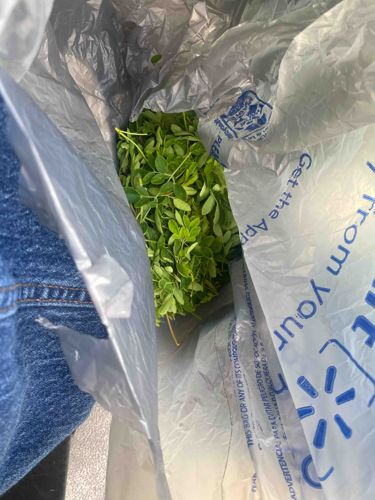
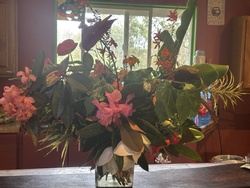
Submitted item photo
Submitted photo · May 16, 2026

User's notes

Moringa leaves

AI analysis below

AI appraisal

AI analysis & estimate

AI-Generated · Verify before acting

Everything below is generated by AI for informational purposes only. AI can make mistakes — the AI may misidentify items or misattribute them (artist, maker, brand, designer, origin, era). This is not an official valuation and should not be used for insurance, sale, tax, estate, legal, or lending purposes — or any decision requiring a certified appraisal. It is not an authoritative claim about any person, brand, or rights holder — do not share or rely on it as a factual statement about a third party. Always consult qualified professionals before making financial decisions.

Note

This analysis also relies on unverified notes provided by the user, which may be incomplete or inaccurate and could affect the result.

Read the full disclaimer

AI Identification

·Not independently authenticated·Verify before acting

Fresh Moringa Oleifera Leaves

Fresh Produce / Botanical Specimens

AI Estimated Value

·Not an official valuation·Verify before acting

$4.00 - $7.00

As of May 16, 2026

AI Item Analysis

·AI can make mistakes·Verify before acting
This item consists of a quantity of fresh Moringa oleifera leaves (commonly known as Drumstick tree leaves) contained within a thin, translucent grey plastic grocery bag. The leaves exhibit a vibrant, bright green color, indicating a high level of freshness and recent harvest. Physically, the leaves are characteristic of the species: small, elliptical to obovate leaflets arranged on slender, flexible green petioles. The leaflets are approximately 1 to 2 centimeters in length. The condition of the vegetation appears excellent, with no visible signs of wilting, browning, or significant bruising, which suggests they have been kept in a cool environment since collection. Notable features include the delicate structure of the tripinnate leaves and the absence of any heavy stems, implying a selective harvest. The packaging is a standard retail-grade high-density polyethylene (HDPE) bag featuring partial blue graphic text, indicating a contemporary commercial origin. There are no professional labels, stamps, or organic certifications present on the primary storage medium shown. The harvest appears to be of high quality, free from obvious insect damage or fungal spotting, making these suitable for nutritional or medicinal consumption.
AI Appraisal Report

·AI can make mistakes·Verify before acting
I have carefully examined the provided descriptors and image of the fresh Moringa oleifera specimens. The leaves exhibit a vibrant chlorophyll saturation and structural integrity, with no evidence of leaf spot or oxidative browning. The leaflets are crisp and properly attached to their petioles, suggesting they were harvested within the last 24 to 48 hours and stored under appropriate temp-controlled conditions. From a botanical standpoint, they appear to be authentic Moringa oleifera based on the characteristic tripinnate leaf structure and elliptical leaflet shape. Market-wise, Moringa is a commodity botanical specimen valued primarily for its nutritional density. The lack of commercial labeling or USDA Organic certification places this in the category of locally sourced or 'home-grown' fresh produce. Comparable specimens sell for approximately $2.00 to $3.50 per pound in ethnic grocery markets or specialized health food cooperatives. The volume contained within a standard grocery bag typically weighs between 1.5 to 2.5 pounds, justifying the valuation range. Key value drivers include the absence of woody stems and the exceptional freshness. However, as an appraiser, I must note the limitations of a digital inspection. A physical examination is necessary to check for moisture-induced rot at the bottom of the bag and to verify the absence of pesticide residue. Full authentication for 'food grade' or 'medicinal' status would require organic certification documentation and laboratory analysis for microbial contaminants. Without provenance or a batch lot code, the value is restricted to that of immediate-use fresh produce.

Get your items appraised

Instant estimates of your treasures with AI-powered appraisals

Browse More Appraisals