AI identification & appraisal estimate

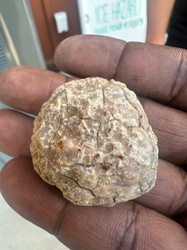
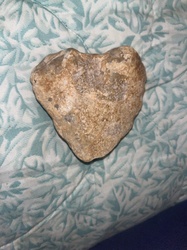
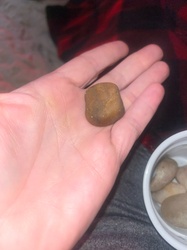
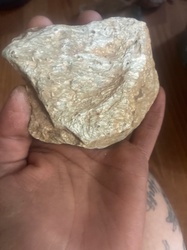
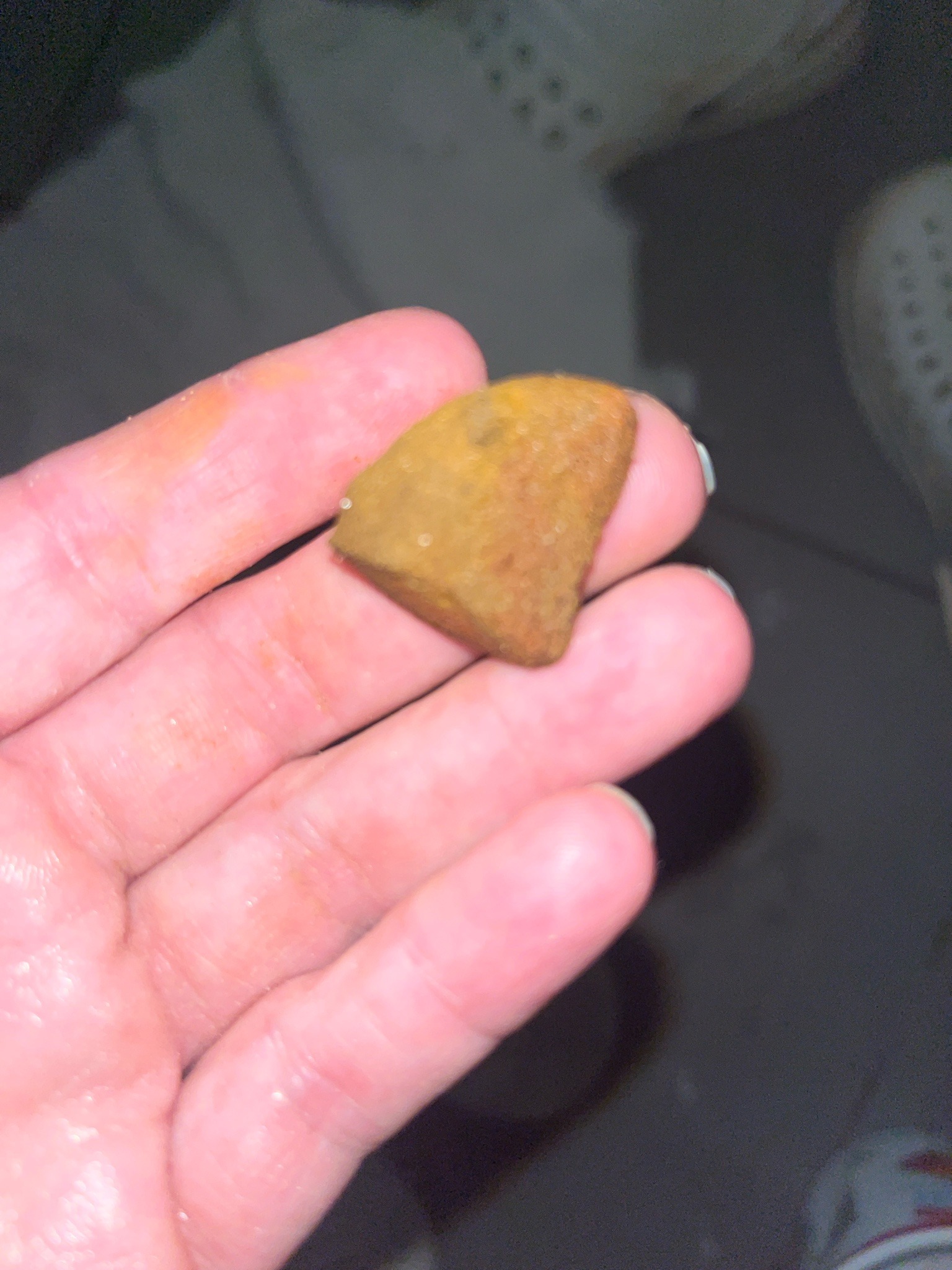
Triangular-shaped mineral fragment

Submitted photo of Triangular-shaped mineral fragment
Photo submitted by the user — not generated by AI

AI Estimated Value

Not an official valuation

$5.00 - $15.00

AI estimate as of July 1, 2026 · verify with a professional before acting

AI-Generated · Verify before acting

Everything on this page is generated by AI for informational purposes only. AI can make mistakes — the AI may misidentify items or misattribute them (artist, maker, brand, designer, origin, era). This is not an official valuation and should not be used for insurance, sale, tax, estate, legal, or lending purposes — or any decision requiring a certified appraisal. It is not an authoritative claim about any person, brand, or rights holder — do not share or rely on it as a factual statement about a third party. Always consult qualified professionals before making financial decisions.

Read the full disclaimer

AI Item Analysis

This object is a small, roughly triangular mineral fragment, approximately 2 to 3 centimeters in length, held in a person's hand for scale. The item exhibits a dense, opaque appearance with a coarse, granular surface texture consistent with various types of sedimentary or metamorphic rock, or potentially a weathered industrial byproduct. It possesses a distinct orange-brown or ochre coloration, which is often indicative of iron oxide staining or high iron content. The edges appear somewhat blunted and irregular, suggesting it has been subjected to some degree of environmental weathering or abrasion. No visible maker's marks, inscriptions, or identifying labels are present on the surfaces shown in the image, making a specific attribution to an origin or material type impossible without physical testing. The material appears consistent with a natural stone specimen or perhaps a fragment of terracotta or oxidized metal; however, its lightweight appearance relative to its size (as it rests on the fingers) suggests a less dense mineral or synthetic composition. Due to the lack of defining features, the identification remains a hypothesis based solely on visual characteristics.

AI Appraisal Report

Based on my visual examination of the triangular mineral fragment via the provided image, I have determined a value range reflective of a common geological specimen. The item exhibits characteristics consistent with a weathered sedimentary rock or iron-rich mineral byproduct, such as limonite or oxidized sandstone. However, I cannot verify the exact mineral composition from a photo alone; physical testing, such as a streak test or hardness analysis, would be required to identify the specific material. Without these tests, my assessment remains a hypothesis based on surface texture and the ochre-colored iron oxide staining. The value is predicated on the item being a common, non-precious geological sample. In the current market, specimens of this size and lack of crystallization or rare aesthetic features typically hold nominal value for educational or hobbyist purposes. If the item were found to contain rare trace elements or possessed a confirmed provenance related to a specific scientific study, its value could increase slightly. Conversely, if it is identified as a fragment of modern industrial debris or common road gravel, the value would be negligible. To provide a more robust valuation, I would need an in-person examination to assess density and a laboratory report to rule out synthetic origins. Given the lack of distinctive markings or crystallized structures, the current estimate reflects its status as an unattributed natural curiosity.

Keep exploring

More geological specimens appraisals

Get your items appraised

Instant AI-powered appraisal estimates from a photo

Browse More Appraisals