AI identification & appraisal estimate

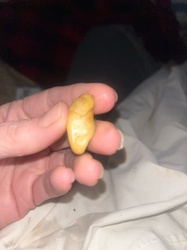
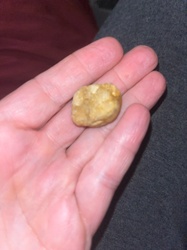
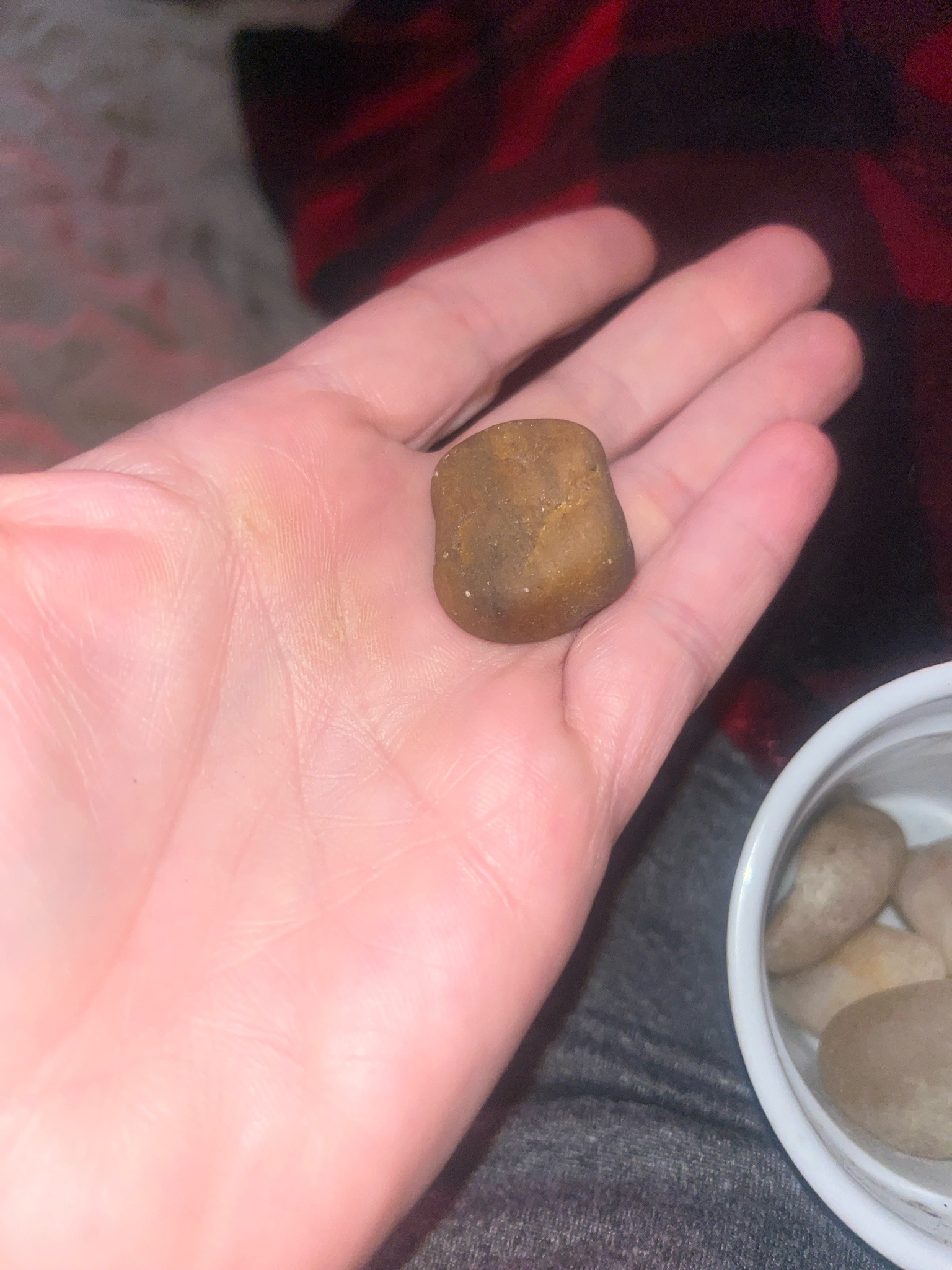
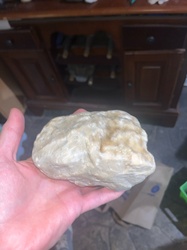
Small brown geologic specimen

This name is the AI's identification of the item — it may be incorrect.

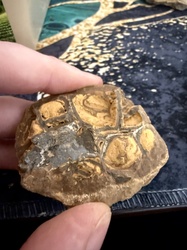
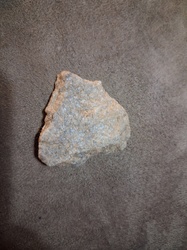
Submitted photo of Small brown geologic specimen
Photo submitted by the user — not generated by AI

AI Estimated Value

Not an official valuation

$1 - $5

AI estimate as of June 11, 2026 · verify with a professional before acting

AI-Generated · Verify before acting

Everything on this page is generated by AI for informational purposes only. AI can make mistakes — the AI may misidentify items or misattribute them (artist, maker, brand, designer, origin, era). This is not an official valuation and should not be used for insurance, sale, tax, estate, legal, or lending purposes — or any decision requiring a certified appraisal. It is not an authoritative claim about any person, brand, or rights holder — do not share or rely on it as a factual statement about a third party. Always consult qualified professionals before making financial decisions.

Read the full disclaimer

AI Item Analysis

This item appears to be a small, naturally tumbled or worn rock or mineral specimen, approximately 2 to 3 centimeters in length. The object is characterized by an irregular, rounded, and somewhat sub-rectangular shape consistent with water-worn river stones or sedimentary concretions. Its color is a mottled yellowish-brown with darker umber or charcoal-colored patches on one side. The surface texture appears somewhat granular and matte, with subtle pitted areas and what may be small crystalline inclusions or sand grains embedded in the matrix. When viewed under the provided lighting, the material shows no obvious transparency or high-degree luster, suggesting an opaque mineral composition. There are no visible markings, inscriptions, or indications of human modification such as carving or polishing. The specimen is presented in a palm for scale, showing natural variations in surface tone and minor surface abrasions consistent with environmental weathering. Based on visual characteristics alone, the item is stylistically consistent with common sedimentary rocks like siltstone, jasper, or a quartzite cobble, though a specific mineralogical identification would require physical hardness or acid tests that cannot be performed from an image.
AI Appraisal Report

Based on the visual evidence provided, I have examined this small geologic specimen which appears to be a naturally weathered mineral or sedimentary rock, possibly a variety of jasper, siltstone, or common quartzite. Based on what I can see, the item lacks the specific banding, crystalline structure, or rare coloration typically associated with high-value mineral specimens or semi-precious gemstones. Its irregular shape and matte surface texture are consistent with common river-worn pebbles. I cannot verify the exact mineral composition from a photo, as this would require physical hardness tests, streak tests, or specific gravity measurements to differentiate it from common landscaping or field stones. The value estimate is based on the assumption that this is a common geologic find; if it were identified as a specific rare mineral or meteoritic material through scientific testing, the value could fluctuate, though there are no visual indicators suggesting as much. The market demand for unpolished, common stones of this size is minimal, often sold as part of bulk educational sets or decorative gravel. To refine this assessment, an in-person examination by a mineralogist would be necessary. Should this piece be identified merely as a standard garden or river stone, it would hold purely sentimental rather than commercial value. Given the absence of human modification, rarity, or significant aesthetic appeal, it is valued as an common mineral specimen.

Keep exploring

More rocks and minerals appraisals

Get your items appraised

Instant AI-powered appraisal estimates from a photo

Browse More Appraisals