AI Appraisal Estimate

AI-generated estimates · not official valuations

From the user

What was submitted

Photo and notes provided by the user — not generated by AI

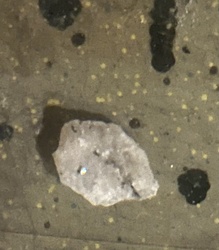
Submitted item photo
Submitted photo · May 27, 2026

User's notes

No additional notes provided.

AI analysis below

AI appraisal

AI analysis & estimate

AI-Generated · Verify before acting

Everything below is generated by AI for informational purposes only. AI can make mistakes — the AI may misidentify items or misattribute them (artist, maker, brand, designer, origin, era). This is not an official valuation and should not be used for insurance, sale, tax, estate, legal, or lending purposes — or any decision requiring a certified appraisal. It is not an authoritative claim about any person, brand, or rights holder — do not share or rely on it as a factual statement about a third party. Always consult qualified professionals before making financial decisions.

Read the full disclaimer

AI Identification

·Not independently authenticated·Verify before acting

Mica Schist Geological Specimen

Geological Specimens / Rocks & Minerals

AI Estimated Value

·Not an official valuation·Verify before acting

$15.00 - $25.00

As of May 27, 2026

AI Item Analysis

·AI can make mistakes·Verify before acting
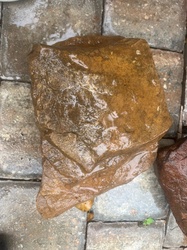
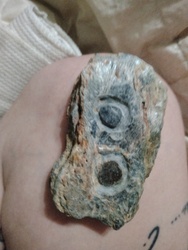
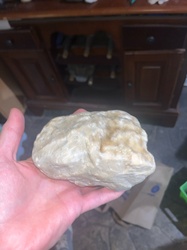
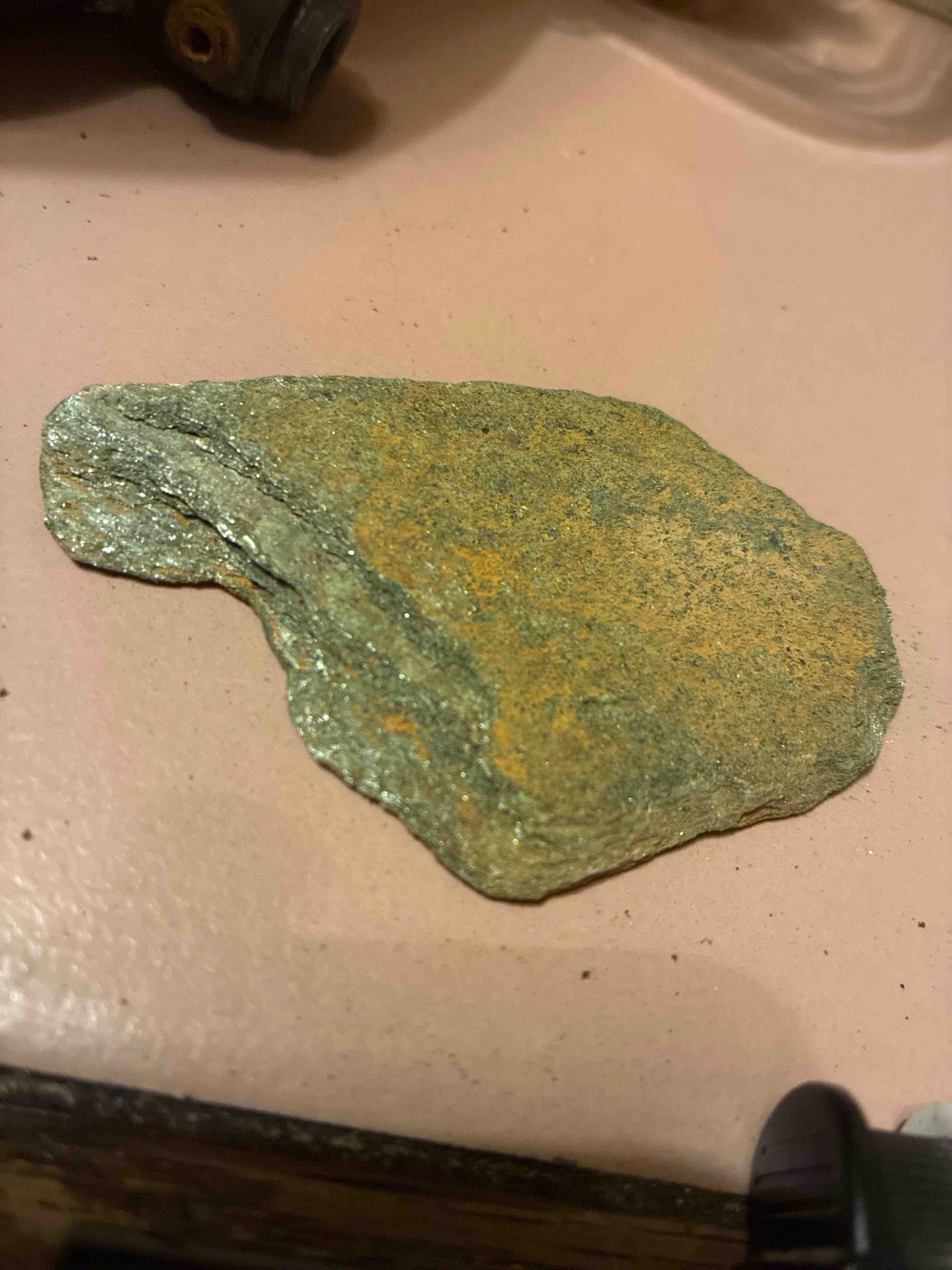
This item is a medium-grained metamorphic rock specimen, specifically identified as mica schist. The piece measures approximately 4-5 inches in length with a flattened, tabular geometry characteristic of regional metamorphism. The primary physical characteristic is its strong foliation, or 'schistosity,' which is visible as distinct layering and parallel alignment of mineral grains. The color palette across the surface is a complex mix of silvery-gray, dull green, and significant yellowish-ochre iron oxide staining, indicating prolonged exposure to moisture and weathering. The silvery sheen is caused by a high concentration of muscovite or biotite mica flakes, which align to create a glittering effect when the piece is rotated in the light. The construction is entirely natural, formed deep within the Earth's crust under intense heat and pressure, likely dating back millions of years. Notable features include the uneven, jagged edges on the left side where the rock has cleaved along its natural planes of weakness. There are no man-made markings, signatures, or stamps, as this is a raw natural specimen. The condition is raw and weathered; the surface is rough to the touch with visible pitting and sedimentary-like deposits of oxidation. Its craftsmanship is provided by nature, showcasing the high-quality crystallization of silicate minerals characteristic of high-grade metamorphic environments.
AI Appraisal Report

·AI can make mistakes·Verify before acting
I have examined the digital representation of this mica schist specimen. The item displays classic diagnostic features of regional metamorphism, including well-developed schistosity and a high concentration of phyllosilicate minerals (likely muscovite), which provide the characteristic silvery luster. The presence of significant iron oxide staining (limonite or goethite) suggests a weathered surface, which is common for field-collected specimens but generally reduces aesthetic appeal compared to fresh, unweathered samples. From a market perspective, mica schist is one of the most abundant metamorphic rocks globally. This specific specimen serves as an excellent educational or reference piece due to its clear foliation and crystalline structure. However, it lacks the rare mineral inclusions (such as large almandine garnets or staurolite crystals) that typically drive higher valuations in the collector market. Comparable common metamorphic samples of this size (4-5 inches) typically retail in the low double-digit range at mineral shows and educational supply outlets. While the visual evidence strongly supports the identification as a natural schist, a definitive authentication via image alone is limited. A physical inspection would be required to test Mohs hardness and check for 'friability' (the tendency of the mica flakes to peel). Furthermore, specific provenance (the exact geological formation and GPS coordinates of its origin) would be necessary to elevate its value to a scientific-grade specimen. Without chemical analysis or thin-section petrography, I cannot definitively rule out specific mineral variations or trace elements. For a decorative or educational valuation, this piece is considered a common but high-quality example of its type.

Get your items appraised

Instant estimates of your treasures with AI-powered appraisals

Browse More Appraisals