AI Appraisal Estimate

AI-generated estimates · not official valuations

From the user

What was submitted

Photo and notes provided by the user — not generated by AI

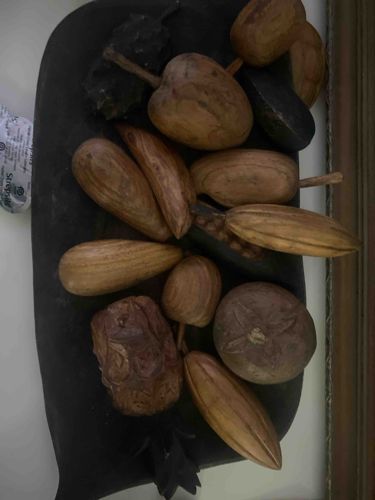
Submitted item photo
Submitted photo · June 21, 2026

User's notes

Wood material

AI analysis below

AI appraisal

AI analysis & estimate

AI-Generated · Verify before acting

Everything below is generated by AI for informational purposes only. AI can make mistakes — the AI may misidentify items or misattribute them (artist, maker, brand, designer, origin, era). This is not an official valuation and should not be used for insurance, sale, tax, estate, legal, or lending purposes — or any decision requiring a certified appraisal. It is not an authoritative claim about any person, brand, or rights holder — do not share or rely on it as a factual statement about a third party. Always consult qualified professionals before making financial decisions.

Note

This analysis also relies on unverified notes provided by the user, which may be incomplete or inaccurate and could affect the result.

Read the full disclaimer

AI Identification

·Not independently authenticated·Verify before acting

Vintage Hand-Carved Hardwood Fruit Set and Trough Bowl

Home Decor / Folk Art

AI Estimated Value

·Not an official valuation·Verify before acting

$150 - $250

As of June 21, 2026

AI Item Analysis

·AI can make mistakes·Verify before acting
This is a comprehensive set of hand-carved decorative fruit presented in an elongated, dark-stained wooden trough or dough-style bowl. The set includes various recognizable specimens such as a pineapple with detailed cross-hatch carving, bananas, an avocado, pears, and several citrus or stone fruits. Each piece is carved from solid hardwood, exhibiting distinct grain patterns ranging from subtle linear streaks to more complex swirling burls. The wood varies in tone from a warm, medium honey-brown to a deep, dark ebony hue for the bowl and pineapple fronds. The construction is solid-form, with stems likely being separate dowels or integrally carved depending on the specific fruit piece. Notable features include the rhythmic chiseling on the pineapple's exterior and the smooth, polished finish on the pears and bananas. The condition appears to be fair to good, showing a natural aged patina and minor surface abrasions consistent with mid-20th-century origins. There are observable scuffs on the darker bowl edges. This style of folk art carving was particularly popular between the 1960s and 1980s, often originating from artisan workshops in regions like the Philippines or South America. The quality is indicated by the variety of shapes and the tactile finishing of the wood surfaces.
AI Appraisal Report

·AI can make mistakes·Verify before acting
I have virtually examined this hand-carved hardwood fruit set and trough. The collection is highly characteristic of mid-century tropical folk art, specifically the 'monkey pod' or ironwood carvings popularized in the Philippines and South America during the 1960s and 70s. The set demonstrates superior craftsmanship compared to mass-market versions, particularly evidenced by the intricate cross-hatch chiseling on the pineapple and the variety of wood species utilized to mimic natural fruit colors. Condition is graded as 'Good' to 'Fair.' The natural patina is attractive, though the visible scuffs on the bowl's dark finish and abrasions on the fruit surfaces reduce the overall collectible value slightly. In a retail or vintage boutique environment, sets of this size and variety are currently in high demand due to the resurgence of organic modern and 'boho-chic' interior design trends. Market comparables for complete sets with high-quality pineapples typically fetch a premium over smaller, fragmented sets. While this set is an authentic representative of mid-century decorative art, several factors cannot be verified via imagery. A physical inspection is required to determine if any pieces have undergone significant structural repair or if the finishes contain non-original waxes or lacquers. Furthermore, the exact identifies of the wood species (e.g., teak, acacia, or mahogany) would require moisture testing or grain analysis under magnification. Complete authentication would also benefit from provenance documentation or maker's marks, which are often hidden on the underside of the trough or the base of larger fruit pieces.

Get your items appraised

Instant estimates of your treasures with AI-powered appraisals

Browse More Appraisals